- Taiwanese airlines will increase fuel surcharges by 157% starting April 7, 2026, due to rising oil prices.
- Long-haul international surcharges will jump to US$117, while short-haul routes will rise to US$45.
- Domestic Taiwan routes will avoid surcharges but face a modest average fare increase of NT$97.
(TAIWAN) — If you’re flying out of Taiwan after April 7, expect a much bigger fuel surcharge on international tickets. The increase is steep enough to change how you book, especially if you’re paying cash or comparing fares across airlines.
Taiwanese carriers will lift international fuel surcharges by 157% starting April 7, 2026. Short-haul international flights jump from US$17.50 to US$45, while long-haul flights rise from US$45.50 to US$117.
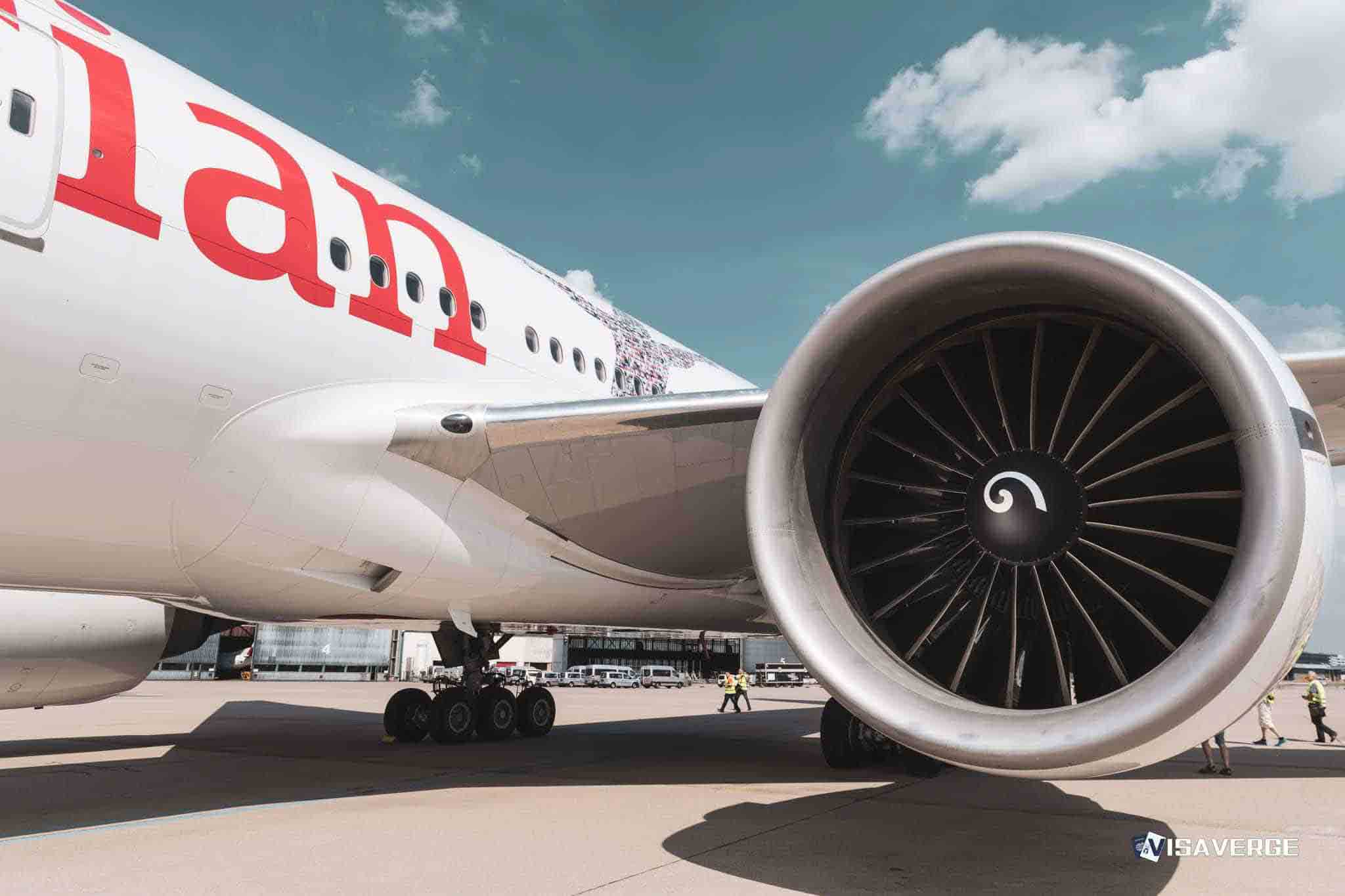
Here’s the quick breakdown:
| Detail | Before | After |
|---|---|---|
| Short-haul international surcharge | US$17.50 | US$45 |
| Long-haul international surcharge | US$45.50 | US$117 |
| Increase | — | 157% |
| Domestic Taiwan routes | No surcharge | No surcharge |
The jump comes as Brent crude has surged more than 60% since late February, driven by geopolitical tensions and fears tied to the Strait of Hormuz. Brent crude climbed to US$108.15 per barrel on April 1 after a 7% daily rise.
Taiwan’s Civil Aviation Administration announced the increase on April 1 during a Legislative Yuan Transportation Committee hearing. Transportation Minister Chen Shih-kai said fuel makes up about 40% of local airlines’ operating costs. That is why carriers are moving fast to recoup costs.
⚠️ Heads Up: If your Taiwan-origin international ticket is not yet ticketed, April 7 is the key date to watch. Tickets issued after that may carry the higher surcharge.
China Airlines and Eva Air have both confirmed the new charges apply to passengers starting April 7. The CAA also wants airlines to clearly disclose the change to passengers, travel agencies, and cargo shippers to avoid disputes at booking or check-in.
For travelers, the biggest pain point is simple: cash tickets just got more expensive. On a long-haul route, the surcharge alone will rise by US$71.50. That can erase a fare sale in a hurry.
Award travelers should pay attention too. Fuel surcharges usually apply to cash tickets and, on some routes, to award tickets booked through certain airline programs or partners. If you redeem miles for an itinerary that includes carrier-imposed fees, your “free” ticket may still come with a hefty cash copay.
That matters most on premium-cabin awards. A business class redemption with a high surcharge can weaken the value of your points fast. If you are choosing between a Taiwan-origin award and a different departure point, compare the total out-of-pocket cost before you transfer points.
Domestic Taiwan flights are a different story. There are no fuel surcharges on those routes. Instead, fares will rise by an average of NT$97, or about US$3.03.
The government is also using a separate funding mechanism for Taiwan-offshore island routes. The Civil Aviation Operation Fund will absorb part of the increase when CPC Corp., Taiwan raises fuel prices for three consecutive months. That should soften the blow for some domestic travelers, though the start date for those fare adjustments has not been set.
The Taiwan move fits a much bigger global pattern. Jet fuel prices rose 116.8% year over year for the week ending March 27. Airlines everywhere are reacting by adding surcharges or quietly building fuel costs into base fares.
In Canada, Air Canada Vacations will add US$50 per passenger on new warm-weather packages from April 6. Porter Airlines added a US$40 peak surcharge on VIPorter bookings from March 23. Air Transat is charging US$50 on Canada departures and €25 on Europe departures.
Hong Kong’s Cathay Pacific raised surcharges to US$200 from US$149 on April 1, and it is reviewing them every two weeks. In Japan, Japan Airlines and All Nippon Airways are charging about US$164 extra on U.S.-Japan flights. China’s carriers are lifting surcharges from April 5.
Europe is seeing action too. Air France-KLM has moved its round-trip surcharge to €50, or about US$57, while SAS is adding a temporary fuel adjustment. In the U.S., carriers are mostly folding the cost into fares. United Airlines CEO Scott Kirby has already warned that higher fuel prices may force fares up further.
| Airline/Region | Change |
|---|---|
| Taiwan carriers | Short-haul surcharge to US$45; long-haul to US$117 |
| Canada | Air Canada Vacations US$50; Porter US$40; Air Transat US$50/€25 |
| Hong Kong | Cathay Pacific surcharge to US$200 |
| Japan | About US$164 extra on U.S.-Japan routes |
| Europe | Air France-KLM €50 round-trip; SAS temporary adjustment |
| U.S. | Costs mostly built into base fares |
The industry outlook is not great for low-cost carriers. Airlines like Air India, Qantas, and SAS have also raised fares. Analysts say budget airlines may feel the pressure most, since consumers are already dealing with higher gasoline prices and less room in household budgets.
For travelers, the smartest move is to price-shop immediately and compare the total fare, not just the base ticket. If you are booking Taiwan-origin international travel, ticket before April 7 if possible to avoid the higher surcharge. If you are redeeming miles, check the cash fees first, because the cheapest award is not always the best deal.