Key Takeaways
• New Orleans faces legal conflict as Louisiana’s 2024 law bans “sanctuary city” practices, conflicting with federal consent decrees governing police conduct.
• Orleans Parish Sheriff’s Office limits ICE cooperation to serious crimes or court orders, maintaining federal consent decree protections.
• Homeland Security Secretary Kristi Noem to address public safety and possibly immigration policies during February 2025 visit to New Orleans.
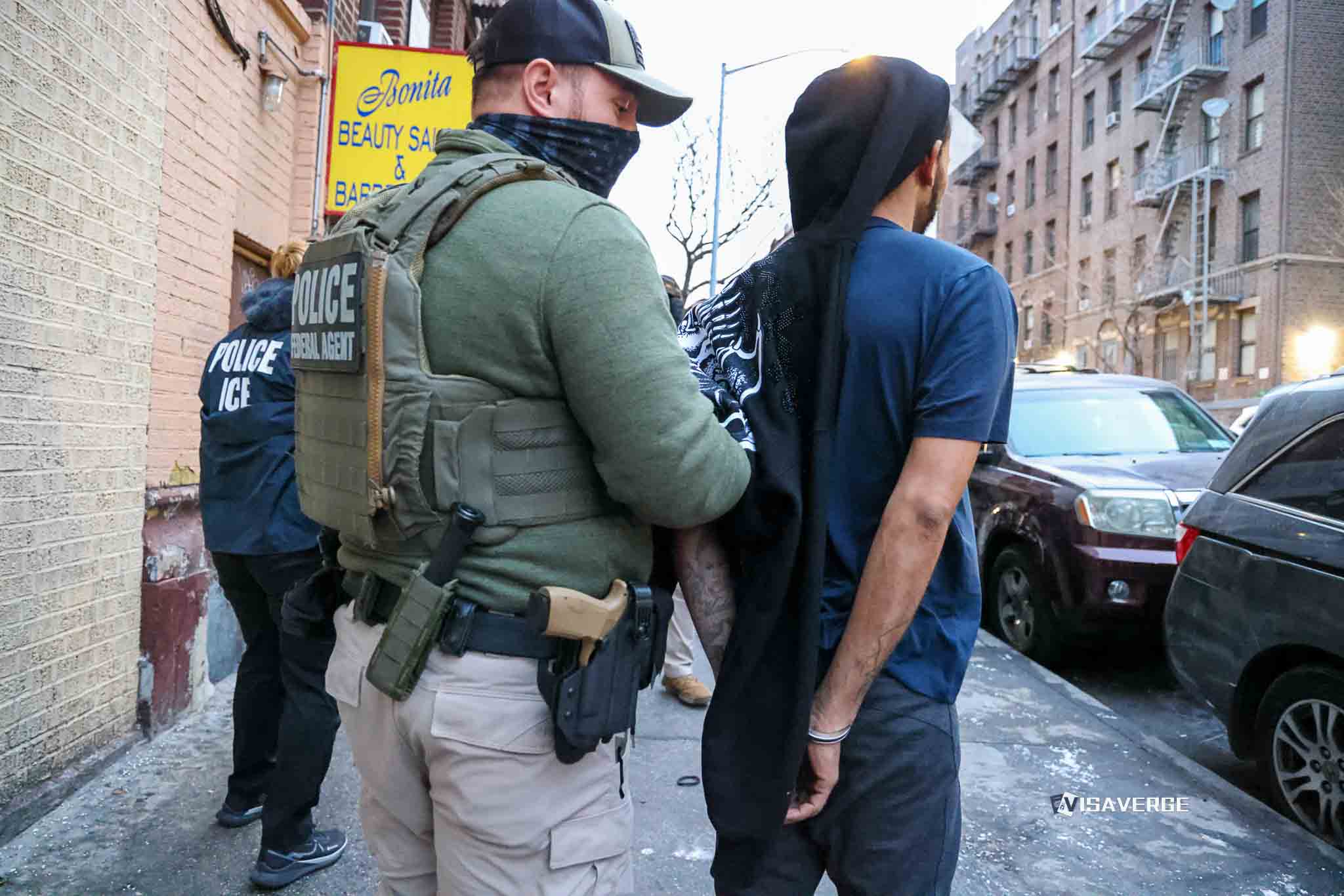
As U.S. Immigration and Customs Enforcement (ICE) increases its immigration enforcement activities, New Orleans’ position as a sanctuary city may face a critical examination. The city’s long-standing policies, designed to limit cooperation with federal immigration authorities, are encountering new pressures from state legislation and stepped-up federal measures. With its protective approach, New Orleans, the sole sanctuary city in Louisiana ??, has become a focal point in an intensifying debate over immigration.
Local Policies Under Spotlight
The Orleans Parish Sheriff’s Office (OPSO) has remained committed to its immigration policies despite a state law enacted in mid-2024 banning “sanctuary city” practices. OPSO’s guidelines, originally part of a 2011 federal court settlement, restrict local authorities from assisting ICE by investigating immigration breaches or honoring detainer requests—unless a court order is presented or a case involves serious violent crimes.
Free toolUSCIS Receipt Number DecoderSheriff Susan Hutson, addressing immigrant rights groups recently, reaffirmed that these policies remain intact. She reassured community members that her office would adhere to federal consent decrees governing their actions. “We are continuing to fulfill our obligations under these consent directives,” Will Harrell, OPSO’s policy director, stated, emphasizing that broader cooperation with ICE would not occur without court-mandated directives.
Another protective measure limits ICE detentions to no more than 48 hours when individuals have completed state-level legal proceedings or posted bail. This restriction reflects a layered system of safeguards that OPSO intends to maintain, even as Governor Jeff Landry’s legislation threatens to challenge such provisions across Louisiana. The question now is how these overlapping policies will coexist under mounting legal and political scrutiny.
Federal Consent Decrees vs. State Law
Louisiana’s new law compels law enforcement agencies to notify ICE when they detain individuals suspected of immigration violations and requires local cooperation in handing over detainees to federal authorities. However, federal consent decrees governing police conduct in New Orleans present a legal shield for agencies like OPSO and the New Orleans Police Department (NOPD). Legal experts, including New Orleans Independent Police Monitor Stella Cziment, have argued that federal directives hold more weight than conflicting state laws. “Federal law is supreme when there are conflicts with state laws,” Cziment explained.
While proponents of the state legislation, like bill sponsor Senator Blake Miguez, insist the new measures do not require cities to enforce federal immigration laws, the legal tension remains unresolved. Miguez has emphasized that noncompliance by local agencies could prompt lawsuits from the state attorney general, creating additional challenges for jurisdictions like New Orleans.
Impact on Law Enforcement Strategies
The NOPD, like OPSO, operates under federally dictated policies that limit its involvement in immigration enforcement. Established in 2016 under its own federal consent decree, NOPD policies prevent officers from taking actions based on a person’s immigration status. These guidelines aim to build trust with immigrant communities while maintaining public safety. NOPD spokesperson Karen Boudrie recently confirmed that the department is reviewing its policies to align with state requirements while staying compliant with federal standards.
However, rights advocates worry about the chilling effect the state law might have. Rachel Taber from Union Migrante raised concerns that immigrants who interact with local law enforcement over minor incidents could become entangled in deportation processes. “For most parishes, this could mean that a fender bender or minor infraction turns into an irreversible deportation,” Taber warned, stressing the devastating results on families left divided.
Broader Implications for Immigrant Communities
Fear and uncertainty are growing among immigrant communities in Louisiana, mirroring national trends. In Baton Rouge ??, immigrant groups recently marched to the state Capitol, calling for sanctuary protections akin to those in New Orleans. Protesters are urging the city’s leadership to restrict local law enforcement from cooperating with ICE and to establish safeguards that would protect sensitive locations such as schools, churches, and hospitals from enforcement activities.
The heightened anxiety is already having tangible effects. Some immigrants in Baton Rouge report avoiding workplaces, schools, and places of worship out of fear of being detained. “People are terrified. They’re staying home from school and work because they might lose everything they’ve worked so hard to build,” said Mirlay Bailon, a protester speaking on behalf of her local community. The loss of workforce members and engagement in community life creates ripple effects, further marginalizing immigrant groups.
Meanwhile, immigrant rights organizations are working to educate affected communities. By distributing bilingual cards explaining legal rights during interactions with law enforcement, advocates hope to empower immigrants with the knowledge to protect themselves in stressful situations. These efforts seek to mitigate the fear-driven isolation gripping many immigrant households.
A Test for New Orleans’ Sanctuary City Policies
As ICE steps up its operations, New Orleans finds itself at the center of a high-stakes battle over immigration enforcement and local authority. The city’s sanctuary city status, long a symbol of its commitment to limiting participation in federal immigration priorities, is being rigorously tested under the current circumstances. The city’s policies not only serve as a shield for its immigrant residents but also as a notable test case for other jurisdictions facing similar dilemmas.
Notably, the city retains widespread support from immigrant rights advocates who view sanctuary policies as a key measure for protecting vulnerable residents. Yet, people like Taber argue that these protections are nowhere near enough, particularly in an environment where state and federal pressures appear unrelenting.
Statewide, jail operators in other parishes may soon feel the legal and financial weight of implementing contentious ICE detainers. Mary Yanik, co-director of the Immigrants’ Rights Law Clinic at Tulane University, suggested that this burden could generate financial strain and litigation risks for many Louisiana jurisdictions. The fallout from this legal issue may reverberate widely.
Looking Ahead
The New Orleans situation offers a snapshot of broader national struggles over immigration. With increasing enforcement by ICE, cities like New Orleans are on the frontline of a contentious debate between states, federal authorities, and local governments. As federal immigration sweeps become more aggressive, it remains to be seen whether sanctuary city policies will endure or face significant erosion.
In early February 2025, Homeland Security Secretary Kristi Noem is scheduled to visit New Orleans to address matters of public safety concerning Super Bowl and Mardi Gras events. While her visit will primarily focus on security planning, speculation persists that immigration will also be part of the conversations with state leaders.
The coming months will likely bring more scrutiny to New Orleans’ policies from both critics and supporters. The city’s ability to strike a balance—maintaining its sanctuary status while navigating state and federal legal frameworks—could have profound implications for immigrant communities throughout the region. At the same time, its experiences could inform other municipalities grappling with their own decisions about how closely to align with federal immigration enforcement.
Conclusion
New Orleans’ sanctuary city designation faces its toughest test amid increasing pressure from state law and federal immigration enforcement activities. Local authorities have expressed their commitment to upholding consent decrees that protect immigrants and limit cooperation with ICE. However, the new state law, combined with expanding federal efforts, introduces fresh layers of complexity.
Immigrant communities, caught in this legal and political crossfire, continue to express fear and distress. Whether through protests in Baton Rouge or through quiet anxieties witnessed in New Orleans, the concerns are palpable. Advocates remain focused on offering education and resources, aiming to mitigate these fears.
As highlighted by VisaVerge.com, the political and legal battles playing out across New Orleans could have long-term implications, not only for the city but also for the national dialogue on immigration. New Orleans may well become a key example of how sanctuary cities weather growing encroachments from state and federal agencies.
Learn Today
Sanctuary City → A city limiting cooperation with federal immigration enforcement to protect undocumented immigrants from deportation or detention.
ICE → U.S. Immigration and Customs Enforcement, a federal agency responsible for immigration enforcement and investigating immigration violations.
Consent Decree → A legally binding agreement approved by a court to resolve disputes or enforce compliance with regulations.
Detainer Request → A request by ICE for local law enforcement to hold an individual suspected of immigration violations for additional time.
Federal Supremacy → The principle that federal law overrides conflicting state laws when disputes occur between the two.
This Article in a Nutshell
New Orleans faces rising pressure as its sanctuary city policies clash with Louisiana’s 2024 law mandating ICE cooperation. Rooted in federal consent decrees, local authorities resist enforcing immigration laws to protect immigrant communities. This legal tug-of-war highlights broader national challenges, testing whether sanctuary cities can endure amidst intensifying state and federal enforcement efforts.
— By VisaVerge.com
Read more:
• South Carolina AG Alan Wilson Calls for Closer Ties with ICE
• Trump Expands 287(g) Program, Enlisting Local Police in Immigration Duties
• ACLU of Kansas Raises Concerns Over ICE’s Leavenworth Detention Plans
• Ron DeSantis Signs Deal Linking Florida Highway Patrol to ICE Efforts
• Indian Consulate in Seattle Calls Police Over Protest Against Visa Denial