(UNITED STATES) The Trump administration is searching for ways to pay air traffic controllers during a federal government shutdown now in its tenth day, officials said, as pressure builds to keep the nation’s aviation system stable and safe while essential staff work without pay.
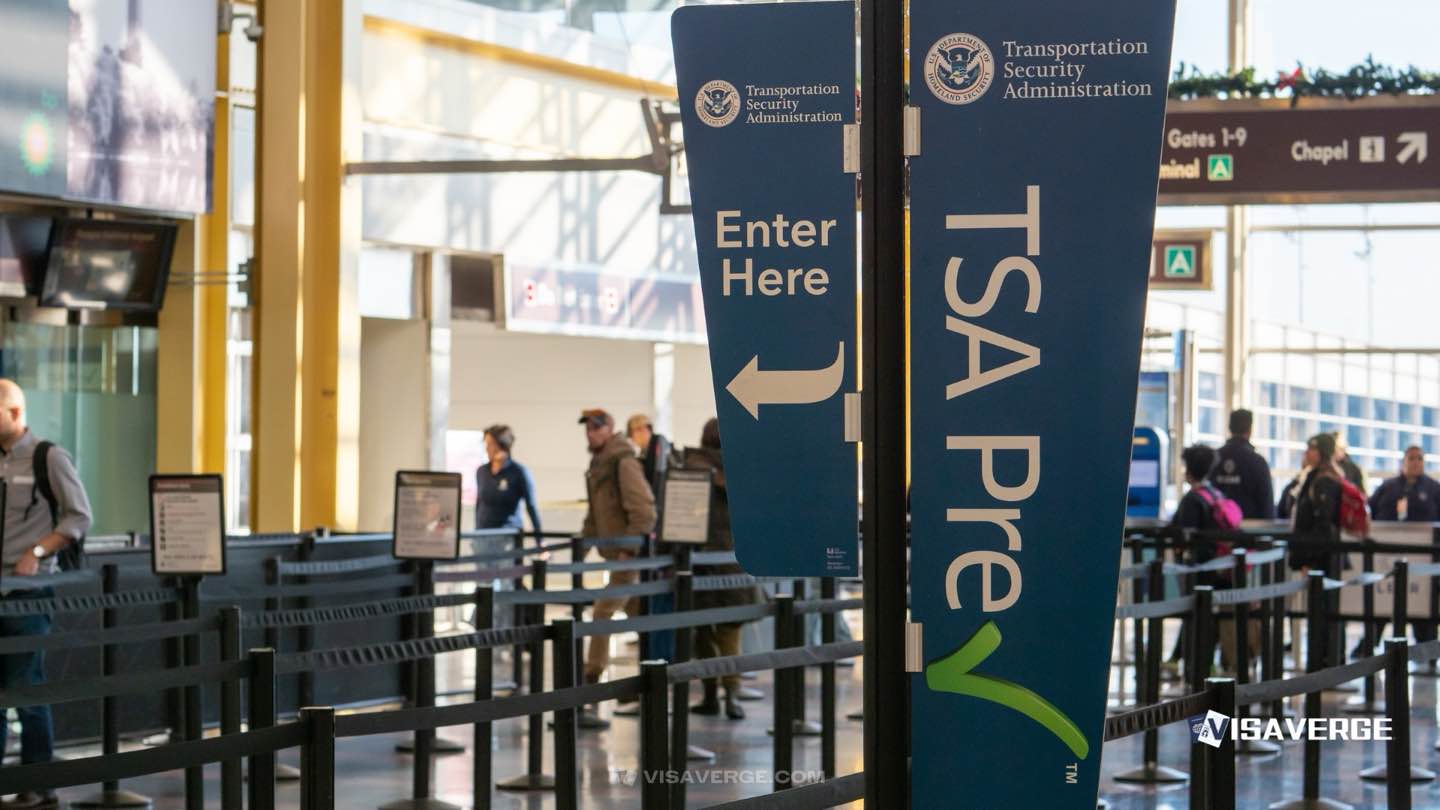
About 13,000 air traffic controllers and roughly 50,000 TSA officers are currently required to report to duty despite the lack of paychecks, according to officials familiar with the response. The White House effort comes amid mounting concerns about FAA staffing levels, already strained by shortages and overtime that predate the shutdown.

Transportation Secretary Sean Duffy has warned that controllers who do not report to work could face termination, even as the government hunts for lawful mechanisms to compensate them. That warning underscores the administration’s view that air traffic control is an essential service and cannot pause. At the same time, it highlights the personal risk facing workers who must choose between unpaid shifts and family finances, especially in high-cost metropolitan areas where many towers and centers operate around the clock.
Legal and Operational Challenges to Paying Controllers
Administration officials say they are exploring options that could allow partial or targeted payments to air traffic controllers, but they acknowledge legal uncertainty because Congress has not passed new funding. Questions center on whether existing authorities permit limited disbursements without violating appropriations rules.
According to analysis by VisaVerge.com, similar discussions in past shutdowns often ran into legal walls until Congress restored funding and authorized back pay. The key constraints are:
- Agencies typically lack authority to issue paychecks without enacted appropriations.
- Any workaround must comply with federal fiscal law and remain fair across categories of essential employees.
- Legal interpretations of the Government Employee Fair Treatment Act affect whether furloughed workers receive back pay.
Secretary Duffy’s warning that no-shows could face termination is meant to keep the system staffed, but it places unpaid employees in a difficult position.
Controllers interviewed in previous shutdowns have described tapping savings, delaying rent, or turning to family for support when direct deposit halted. For many immigrant families working in aviation-adjacent jobs—such as airport concessions or ground services—the ripple effects are real: fewer passenger movements can mean fewer shifts, even as household budgets absorb higher child-care or transportation costs.
Preexisting FAA Staffing Shortages and Shutdown Impacts
The air traffic control system was under stress before the shutdown began. The Federal Aviation Administration is short of its staffing targets by at least 3,500 controllers, a gap that has forced:
- Mandatory overtime
- Six-day workweeks
- Reduced schedule flexibility when staff call out for illness or family needs
Those conditions heighten fatigue risk, extend training pipelines, and reduce resilience when unexpected absences occur. The shutdown adds an additional layer of uncertainty: pay delays can push workers to take second jobs, miss bills, or consider leaving the profession entirely—further compounding the long-term FAA staffing problem.
The practical operational effects may include conservative traffic management strategies such as ground delay programs and longer taxi times, which affect every traveler.
Modernization and Hiring Plans
Even as officials navigate the shutdown, the administration points to long-term investments aimed at stabilizing the system.
- The Trump administration has proposed $12.5 billion for modernization, targeting technology and infrastructure upgrades that could:
- Reduce delays
- Improve safety margins
- Make better use of limited controller capacity
- The plan emphasizes advancing surveillance and communications tools to strengthen situational awareness and reduce workload during peak periods.
On hiring, Secretary Duffy has announced a goal to bring on at least 8,900 new controllers by 2028 to refill the pipeline as retirements accelerate. In FY25, the FAA reported it exceeded its target by hiring 2,026 new controllers—an important gain for facilities struggling to reach staffed levels.
Hiring limitations and training realities
Experts caution that hiring alone is insufficient:
- Controller training timelines are long; certification requires hands-on experience at specific facilities.
- Shutdowns can slow classroom schedules and delay on-the-job training if support staff are furloughed or simulators sit idle.
- Delays in training can ripple into the next year, leaving staffing gaps even after pay resumes.
- Retention of experienced controllers, who mentor trainees, is critical; prolonged unpaid periods risk an exit wave that would set back progress.
Immediate Outlook and Practical Advice for Travelers
Officials close to the process say there are signs the shutdown could end soon, citing a Trump adviser who suggested a resolution may come this week. If funding is restored, paychecks would likely resume, and Congress could address back pay for both furloughed and essential workers.
But until that happens, planners must balance immediate safety needs with legal constraints.
For immigrant families, international students, and other travelers affected by potential delays, practical steps include:
- Build extra time into itineraries to anticipate possible delays during the shutdown.
- Keep documents handy—passports, I-94 records, and admission papers—to handle tight connections or rebooking conversations calmly.
- Check airline alerts frequently and consider early flights when possible, as later-day operations can absorb more disruption when staffing is tight.
For the United States 🇺🇸 aviation system, even a short period of heightened fatigue and financial strain can translate into conservative traffic management, ground delay programs, and longer taxi times that touch every traveler.
Stakes for Unions, Safety Advocates, and the Public
Unions and aviation safety advocates will watch closely whether the administration’s ideas to pay air traffic controllers can survive legal review. Outcomes:
- If a compliant mechanism emerges, it could ease the most immediate strain on controllers.
- If not, the system will depend on professionals who continue to show up without pay.
Airport traffic managers may adopt conservative spacing to protect safety, which reduces throughput. Passengers will likely see longer lines, more gate holds, and occasional cancellations.
The administration’s modernization budget highlights a broader point: long-term investment in technology and people is the surest path to a resilient system. Next-generation tools can lower workload in complex airspace and make it easier to manage growth without constant overtime—but those gains require sustained hiring and uninterrupted training. The shutdown is a stark reminder that steady funding is as important as big plans.
For official updates on operations and staffing, travelers and employers can monitor the Federal Aviation Administration, which posts safety notices and agency statements: https://www.faa.gov
VisaVerge.com reports that, historically, once funding is approved, pay is restored promptly for essential staff, though back pay for furloughed workers has depended on congressional action tied to the end of each shutdown.
For now, the country’s aviation workforce—especially its air traffic controllers—stands at the center of two intersecting challenges: an immediate federal government shutdown that pauses pay, and a longer-term FAA staffing shortfall that requires sustained hiring and training. How the administration threads those needles in the coming days will shape travel this week and the system’s trajectory into peak holiday seasons and beyond.
This Article in a Nutshell
The tenth day of the federal shutdown has forced about 13,000 air traffic controllers and roughly 50,000 TSA officers to continue working without pay, intensifying already strained FAA staffing. The FAA faces a shortfall of at least 3,500 controllers, producing mandatory overtime, six-day weeks, and higher fatigue risks that threaten operational resilience. The Trump administration is exploring legal mechanisms for partial or targeted payments while warning that employees who fail to report risk termination. Officials emphasize a $12.5 billion modernization plan and a target to hire 8,900 new controllers by 2028, though hiring and training timelines limit near-term relief. Travelers should allow extra time, keep documents ready, and monitor airline alerts as conservative traffic management may cause delays, longer taxi times, and occasional cancellations until funding is restored.
Live Government Data
State Dept • CBPBusiest Border Crossings
- Hidalgo/Pharr 40 min
- San Ysidro 20 min
- Hidalgo/Pharr 15 min