- USCIS published third-quarter EB-1A data on September 8, 2026, showing more denials than approvals.
- The figures do not change EB-1A eligibility rules or grant or remove anyone’s status.
- The figures count decisions made in each quarter, not outcomes for one filing group.
Checked against USCIS
Follow-up to: USCIS Approved 32.2% of EB-1A Petitions Decided in FY2026’s Third Quarter
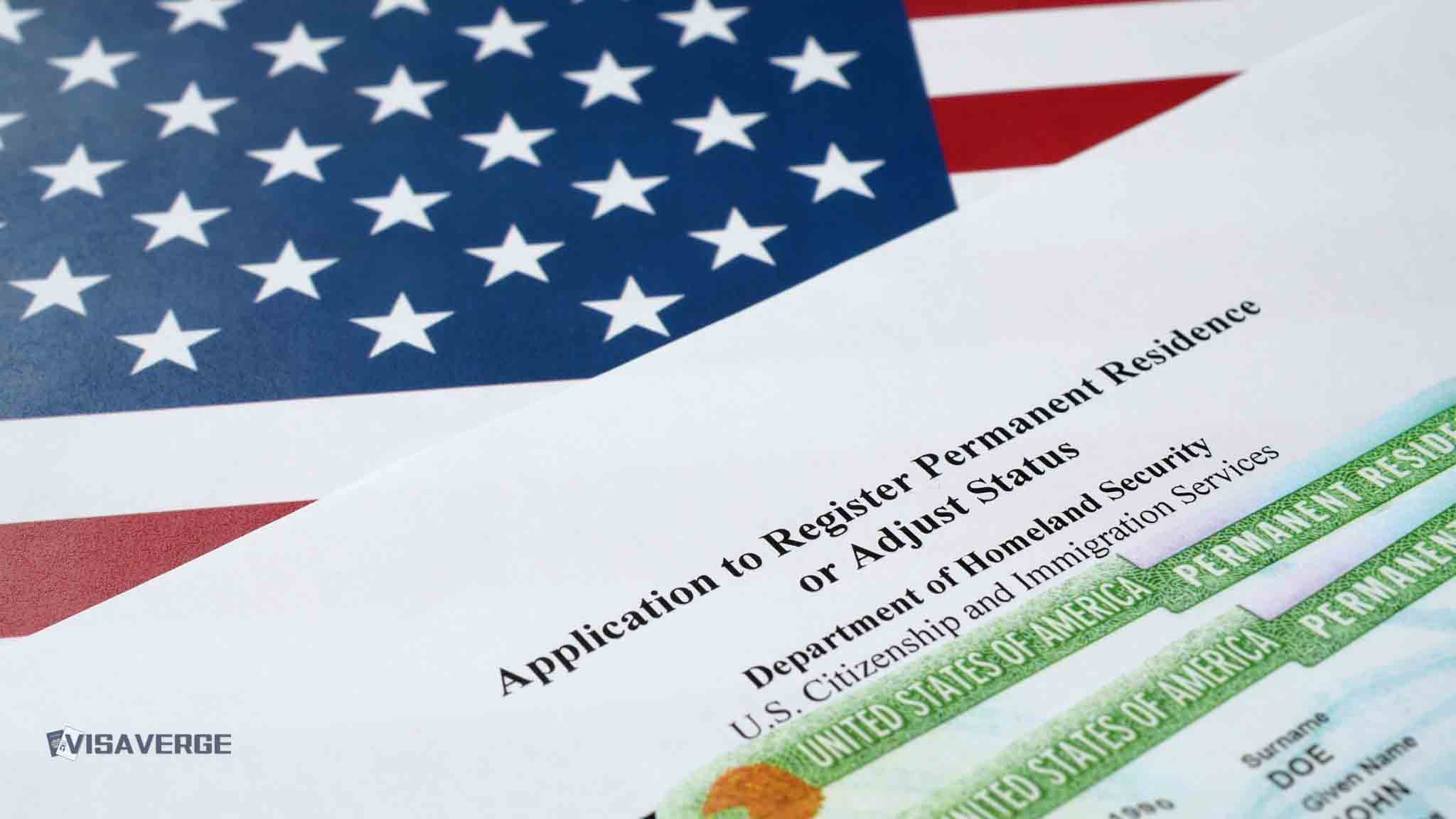
U.S. Citizenship and Immigration Services (USCIS), the agency that decides immigration petitions, recorded more denials than approvals for EB-1A extraordinary-ability petitions in each of the first three reported quarters of fiscal year 2026. The agency published its third-quarter data on September 8, 2026; the figures do not change the eligibility rules for people filing now.
The third-quarter report covers decisions from April through June 2026. It shows 2,832 EB-1A petitions denied and 1,348 approved, an approval share of 32.2% among petitions decided that quarter. The figures count decisions, not the outcomes of all petitions filed during those months. The Form I-140 quarterly case-status data reports receipts, approvals, denials and pending cases.
If you are filing an EB-1A petition
EB-1A, also called the E11 employment-based immigrant classification, is for people with extraordinary ability in the sciences, arts, education, business or athletics. You may file Form I-140, the immigrant petition for an employment-based category, on your own behalf. EB-1A does not require a job offer or labor certification.
| India | China | ROW | |
|---|---|---|---|
| EB-1 | Feb 01, 2023 | Aug 01, 2023 | Current |
| EB-2 | Nov 01, 2013 | Oct 01, 2021 | Apr 01, 2025 |
| EB-3 | Jan 22, 2014 | Jan 22, 2022 | Jun 15, 2024 |
| F-1 | Jan 22, 2021 | Jan 22, 2021 | Jan 22, 2021 |
| F-2A | Nov 22, 2026 ▲31d | Nov 22, 2026 ▲31d | Nov 22, 2026 ▲31d |
To meet the initial evidence threshold, you must provide evidence of either a one-time major, internationally recognized achievement or at least three of the 10 regulatory criteria. Those criteria cover:
- Nationally or internationally recognized awards, or membership in associations that require outstanding achievement.
- Published material about you, or your work judging others’ work.
- Original contributions of major significance, or scholarly authorship.
- Artistic exhibitions or showcases, or a leading or critical role for distinguished organizations.
- High salary or other significantly high pay compared with others in your field, or commercial success in the performing arts.
Meeting three criteria alone does not establish eligibility. USCIS first assesses whether the evidence meets the criteria, then reviews the evidence as a whole to decide whether it shows sustained acclaim and that you are among the small percentage at the top of your field. You must also intend to continue working in your area of extraordinary ability in the United States, and your entry must substantially benefit the country in the future. USCIS’s Policy Manual guidance on extraordinary ability explains the evidence review.
Policy guidance that took effect on October 2, 2024, says USCIS considers team awards when the petitioner is a recipient and considers past memberships under the membership criterion. It also removed language suggesting published material must demonstrate the value of the petitioner’s work and contributions. Non-artistic exhibitions are considered only as part of a properly supported claim of comparable evidence.
Filing fees and timing
The current fee schedule lists a Form I-140 filing fee of $715 for a paper filing or $665 for an online filing. The separate Asylum Program Fee is $300 for a small employer or self-petitioner, $600 for a regular petitioner and $0 for a nonprofit. Check the USCIS Fee Schedule and filing-fee information and Fee Calculator to confirm the charge for your filing. USCIS says an incorrect Form I-140 fee can lead to rejection.
USCIS says Form I-140 may be filed at any time. A petition based on an approved labor certification must reach USCIS before that certification’s 180-day validity period expires. EB-1A does not require labor certification. For mailed petitions, USCIS lists credit-card payment using Form G-1450 or payment by ACH from a U.S. bank account using Form G-1650; Form G-1651 is for qualifying exemptions from electronic payment. See Form I-140 information and instructions.
If your EB-1A petition is approved
An approved I-140 does not itself admit you to the United States. Eligible spouses and unmarried children under 21 may apply for admission in immigrant status after the petition is approved. Whether an immigrant visa is available, and how long a wait may be, depends on factors including visa supply and demand, your priority date, your country of chargeability and statutory limits. USCIS’s approved employment-based petitions awaiting visa priority dates report is organized by preference category and country.