Key Takeaways
• Over 4,700 SEVIS records ended and 300+ student visas revoked since January 20, 2025, affecting all STEM OPT applicants.
• Denials are caused by administrative errors, employer non-compliance with E-Verify, and new risk factors like minor legal issues or social media.
• Legal challenges and lawsuits are rising, but students have limited time to respond—often just two weeks after status termination.
The United States ?? is facing a big problem with its STEM OPT program in 2025. This situation, often called the STEM OPT Crisis, is affecting thousands of international students studying science, technology, engineering, and math (STEM) in the United States ??. Many of these students are seeing their visa status rejected or even ended. Schools, employers, and the students themselves are feeling stressed and worried about what comes next.
What’s Happening with STEM OPT in 2025?
Free toolOPT Timeline Calculator Online
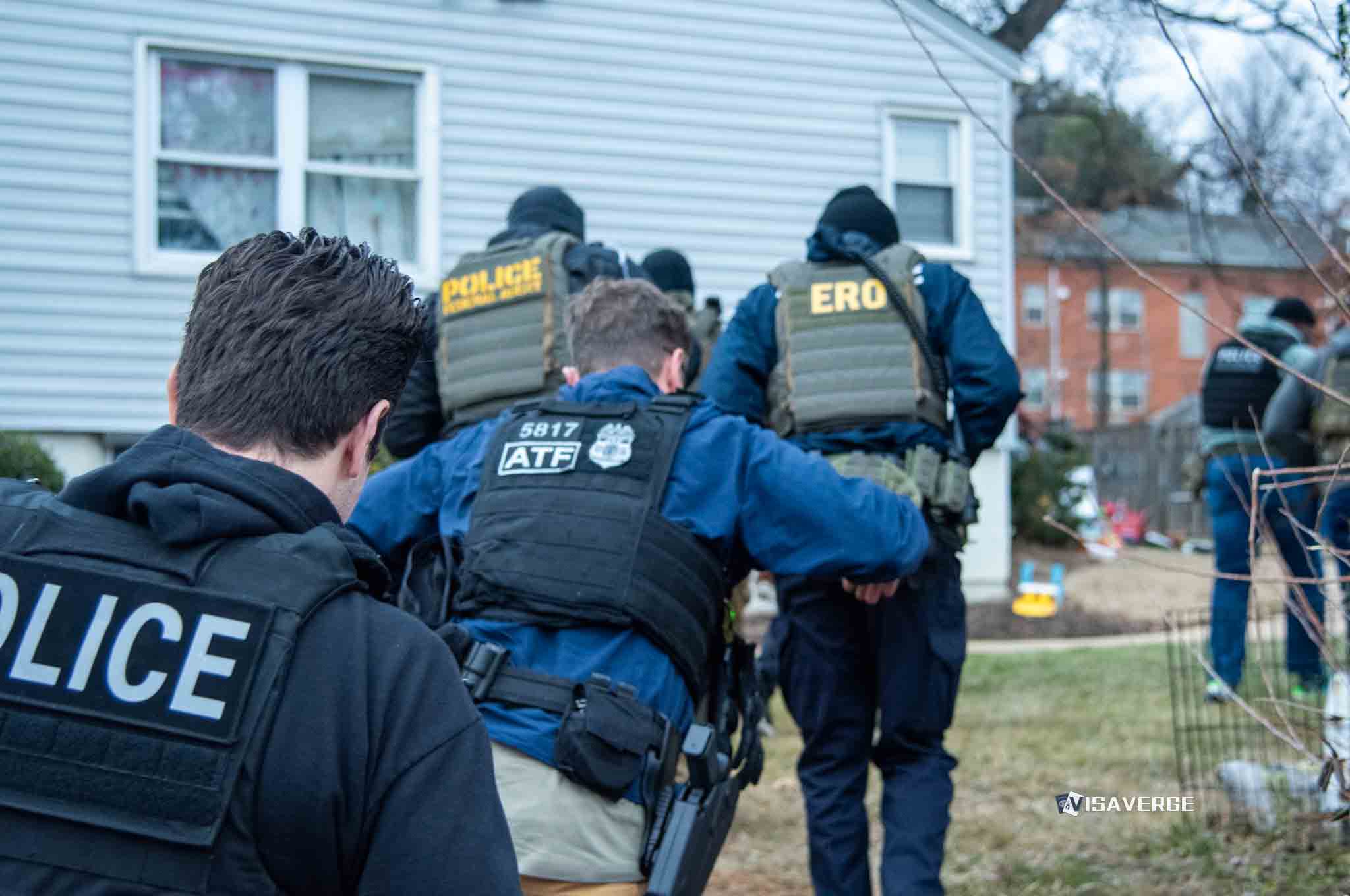
Since January 20, 2025, there’s been a huge increase in rejections of new STEM OPT applications and the ending (termination) of F-1 and OPT records using the Student and Exchange Visitor Information System, known as SEVIS. According to reports, U.S. Immigration and Customs Enforcement (ICE) has already ended more than 4,700 SEVIS records this year. That means thousands of students have suddenly lost legal permission to stay in the United States ?? and work in STEM fields. Visa revocations have also gone up, with over 300 student visas taken away recently.
These issues affect all types of students:
– Undergraduates and graduate students
– People using their initial year of Optional Practical Training (OPT)
– Those trying to use the extra STEM OPT extension
– All nationalities and universities—no pattern by country or school type
| India | China | ROW | |
|---|---|---|---|
| EB-1 | Feb 01, 2023 ▲109d | Jul 01, 2023 | Current |
| EB-2 | Nov 01, 2013 | Oct 01, 2021 ▲30d | Jan 01, 2025 |
| EB-3 | Jan 01, 2014 | Jan 08, 2022 ▲7d | May 15, 2024 ▼109d |
| F-1 | Jan 22, 2020 | Jan 22, 2020 | Jan 22, 2020 |
| F-2A | Sep 22, 2026 ▲31d | Sep 22, 2026 ▲31d | Sep 22, 2026 ▲31d |
There’s a sense of confusion and fear, not just among international students and scholars but also with employers who rely on these graduates for talent.
Why Are So Many STEM OPT Applicants Being Rejected or Terminated?
Digging a little deeper, several main reasons emerge for so many denials and SEVIS Terminations:
– Administrative Problems: Many students are getting rejected because of missing paperwork, wrong dates entered, or not submitting the paperwork on time after finishing school or after their work permit expires.
– Errors with STEM OPT Applications: For people applying for a STEM OPT Extension, the job must be directly related to their degree, must be paid, and the employer must use E-Verify (a federal system that checks work eligibility). If the employer doesn’t meet these rules, or if a student’s work/training plan isn’t filled out correctly, their application gets denied.
– New “Risk Factors”: More and more terminations are happening for what seem like small issues, such as minor traffic tickets or problems flagged during background checks. In some cases, ICE officers are looking at students’ social media and using posts or activity as a reason to end their visa status. Often, students and schools aren’t told in advance, leaving them blindsided.
As reported by VisaVerge.com, these actions are not just technical problems but represent a sudden, aggressive enforcement shift that students, schools, and even legal experts did not expect.
Who Is Most Impacted?
This crisis cuts across all groups:
– Undergraduate and graduate students in STEM fields
– Recent graduates (Bachelors, Masters, and PhDs)
– Students from all countries—there’s no clear link to any single nationality or institution
– Both public and private U.S. colleges and universities
In the past, certain schools or countries may have been seen as higher risk, but the current crisis is much broader.
Details Matter: Administrative Errors and the Human Side
Many applications are denied for reasons that seem simple to fix but can have big effects on a student’s life:
– Missing a deadline by as little as one day
– Entering the wrong employment start or end date
– Forgetting a required form or piece of proof (such as a job offer letter)
– Using a non-E-Verify employer or taking an unpaid job
– Not updating SEVIS quickly enough after changing jobs
These are called “administrative errors.” For international students, even a small mistake can mean losing their visa status and protection under the law. Once a student’s SEVIS record is ended, they often have very little time—sometimes only two weeks—to pack up and leave the country.
New and Unpredictable Risk Factors
Some students who followed all the basic rules are still being targeted for SEVIS Terminations:
– Simple traffic tickets, like speeding or rolling through a stop sign, have been used as reasons to end records.
– Background checks may pick up small things that wouldn’t normally matter.
– Social media posts are sometimes flagged as “risky” by authorities, even when no laws have been broken.
What makes this different from the past is the lack of warning. In many cases, neither the student nor their university gets a heads-up before their visa status is ended.
Impact on American Employers and Universities
U.S. employers use STEM OPT to bring in top talent from around the world for up to three years after graduation. With the current crisis, companies are losing skilled workers just as fast. When SEVIS Terminations happen, companies may have to stop the student’s job right away—even if there’s a big project underway. Universities are also hurt, since top international students may decide to study elsewhere. That means:
– Fewer international students may want to come to the United States ?? in the future.
– U.S. schools may lose global rankings and reputation.
– Businesses may have a harder time filling important jobs that help the United States ?? stay ahead in technology and science.
Rising Legal and Political Pressure
In recent years, political disagreement over immigration has grown. In the past, most pressure was on lower-skilled immigration. Now, even high-skill programs like OPT and STEM OPT are in the spotlight. Some government advisors and officials have openly pushed for the entire OPT program to end.
Quoting from recent coverage:
“The officials who designed this administration’s immigration policy have declared their intent to ‘terminate’ the OPT program… The president’s coalition has pressured him to terminate OPT for many years…”
The result is that every part of the STEM OPT process has become riskier. Rules are being enforced much more strictly, and the fear of making even a small mistake has increased.
Economic and Innovation Impact on the United States ??
STEM OPT was created to help the United States ?? attract the very best talent globally and keep the country’s advantage in science and technology. According to economists, eliminating or limiting programs like STEM OPT could cause:
– Lower growth for the U.S. economy
– Fewer new companies and inventions
– Lost jobs for American citizens at all education levels
– Damage to the reputation of American schools as best-in-class places for global students
Losing STEM OPT talent could have effects that last for generations.
Legal Pushback and What Students Can Do
Faced with SEVIS Terminations and sudden loss of status, many students are fighting back. Legal challenges are now common. In some cases, courts have issued temporary orders that bring students’ status back so that they can remain in the United States ?? while their cases are reviewed in detail.
Students who see their STEM OPT applications denied or their status ended can:
– Ask their school’s Designated School Official (DSO) for help to appeal
– Leave the United States ?? within the time allowed after the loss of status (often 60 days)
– Transfer to a different school or reapply for a new program, if possible
– Consider getting a lawyer and filing a lawsuit, especially if they think rules weren’t followed by the government
Lawsuits can be expensive, but if a student’s record was ended without due process (proper notice or a fair chance to explain), courts have sometimes ordered the government to restore their status.
Rules and Paperwork Still Matter
Despite the wide scope of this crisis, the basic requirements for STEM OPT have not changed. The rules include:
– The job must be related to the student’s STEM degree
– The job must be paid
– The employer must use E-Verify, a system used to check if someone can legally work in the United States ??
– The student must have a full training plan signed by the employer
If you’re affected, make sure to review all paperwork closely, confirm dates and employer details, and check your SEVIS record often with your school’s international office.
You can find the most up-to-date rules and forms on the official USCIS page for STEM OPT Extension.
Summary Table: Complex Challenges Facing STEM OPT in 2025
| Issue | Description |
|---|---|
| Mass Rejections | Large-scale denials/terminations across nationalities/institutions |
| Administrative Errors | Missing documents/form mistakes/timing errors leading to rejections |
| New Risk Factors | Minor infractions/background checks/social media activity triggering termination |
| Employer Compliance | Employers must participate in E-Verify & provide compliant training plans |
| Legal Response | Lawsuits filed challenging due process violations |
Recent Supreme Court Decision and the Changing Legal Environment
In October 2023, the Supreme Court allowed the Department of Homeland Security (DHS) to keep control over how STEM OPT is managed. Many thought this ended the debate and provided stability. But since early 2025, the picture has changed. Now, what matters most is how new enforcement policies are used. Even with the Supreme Court’s past decision, rule changes and stricter enforcement by ICE can hit students hard.
What’s Next — Will Things Improve Soon?
Looking ahead, the outlook is still uncertain. Unless lawmakers or judges step in, thousands more international graduates could lose work permits and face being removed from the United States ?? in the next several months. For now:
– The best steps are to follow every rule, keep paperwork up to date, and work closely with your school’s international office.
– Stay alert for changes, and don’t ignore any official letters or emails you receive from immigration agencies.
– If your SEVIS record is ended, act quickly—there’s often a short window to fix the problem or make a legal appeal.
This is not just a problem for students, but for the whole country. America’s leadership in science and technology relies on attracting and keeping talented people from all over the world. How the United States ?? handles this STEM OPT Crisis will shape its future for years to come.
If you need more information or help, always go to official government sites like USCIS and talk to your school’s Designated School Official (DSO).
The STEM OPT Crisis highlights the need for clear rules, fair treatment, and smart policy choices. Whether you’re a student, school, company, or policymaker, the decisions made now will affect not just today’s visa status but the strength of science and tech in America for decades.
For ongoing updates and deep analysis, continue to watch trusted sources like VisaVerge.com and keep your school’s international office in the loop. Your future, and the country’s, depends on it.
Learn Today
STEM OPT → A U.S. immigration program allowing international STEM graduates to work for up to three years post-graduation.
SEVIS → The Student and Exchange Visitor Information System; tracks international students’ status and records in the United States.
E-Verify → A government system employers use to confirm employees’ legal work eligibility in the United States.
DSO (Designated School Official) → A school administrator responsible for supporting and updating international students’ immigration records.
Administrative Error → Mistakes in documentation, timing, or paperwork that can lead to visa denial or SEVIS termination.
This Article in a Nutshell
The 2025 STEM OPT Crisis threatens thousands of international students in the U.S., with record SEVIS terminations, visa revocations, and harsh enforcement. Administrative errors and minor infractions are causing unexpected denials. Students, schools, and employers face uncertainty as strict regulations put America’s talent pipeline and innovation reputation at risk.
— By VisaVerge.com
Read more:
• American Visa Waiver Program streamlines US visits for ESTA nations
• H-1B visa holders get 60-day grace period after layoffs in United States
• Afghan family sues German government over visa delays after approval
• U.S. citizenship could fast-track for wealthy with $5 million gold visa
• R-1 visa allows religious workers up to five years in the US