- The Russia e-visa allows a single entry for 16 days within a 60-day validity window.
- Travelers from 55 approved countries can apply online for tourism, business, or cultural visits.
- The digital application costs $52 and is processed within four days via the official portal.
(RUSSIA) Russia’s e-Visa-Free Entry“>visa gives eligible foreign nationals a single entry and a 16-day stay inside the country, with applications completed online and decisions usually issued within 4 calendar days. The system, launched on August 1, 2023, now serves travelers from 55 countries and has become one of Russia’s main tools for short visits tied to tourism, business, science, culture, sports, and socio-political events.
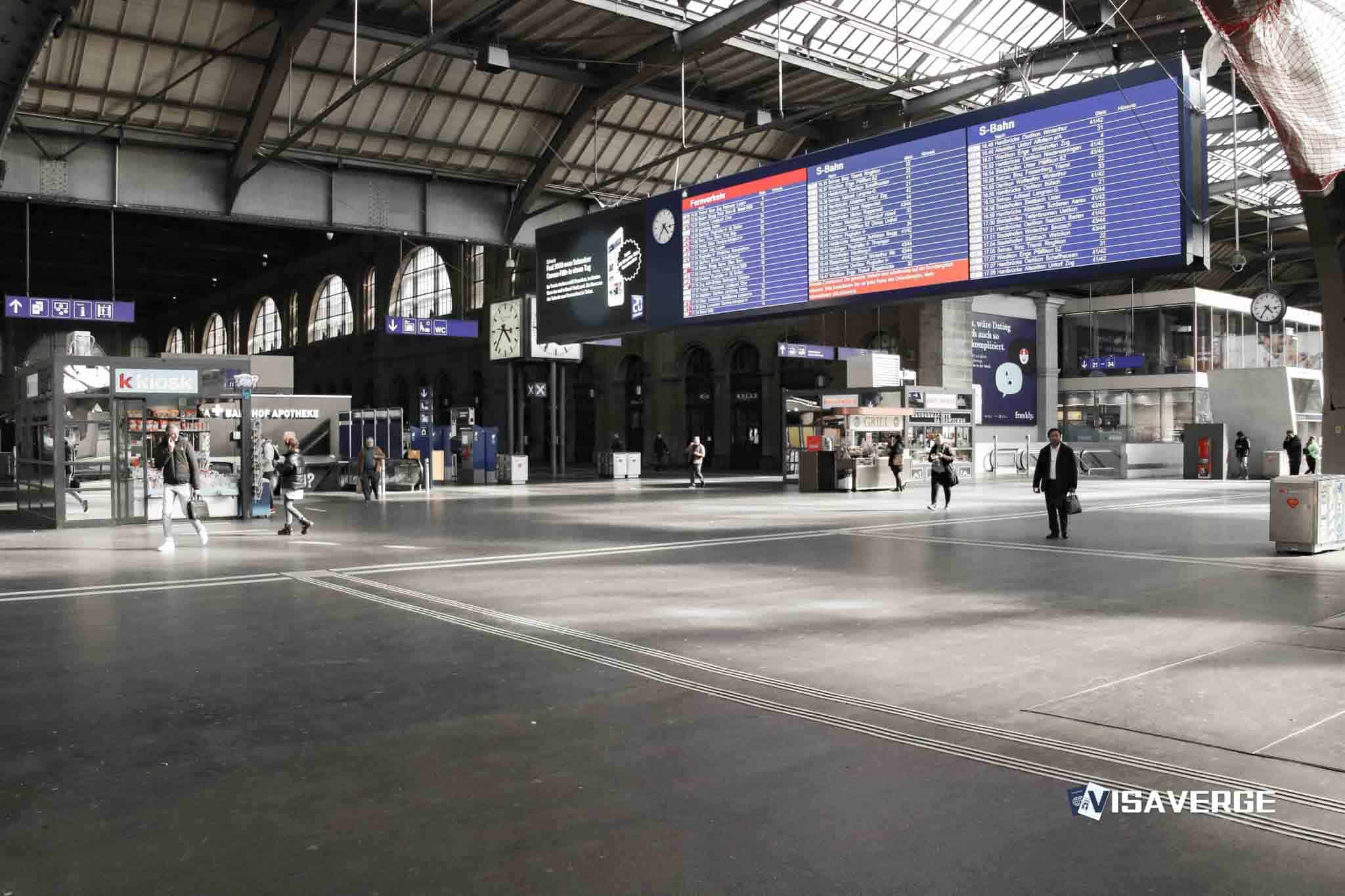
For many travelers, the appeal is simple: no embassy visit, no paper-heavy filing, and a clear stay limit. The trade-off is just as clear. The visa is valid for 60 days from issue, must be used within that window, and cannot be extended or converted into another status. Travelers must also count both the day of arrival and the day of departure when planning the 16-day stay.
Who qualifies and what the trip can cover
The Russia e-visa is open only to citizens of 55 approved countries. That list spans Europe, Asia, and other regions, so nationality matters before anything else. Travelers should verify eligibility on the official Russian e-visa portal at evisa.kdmid.ru. That check comes first, because an ineligible passport means the online process will stop there.
Approved travelers can use the visa for tourism, business visits, scientific work, cultural events, sports competitions, and socio-political activities. Those categories are broad, but the visa itself is narrow. It allows one entry only. Once a traveler leaves Russia, the visa ends, even if the 60-day validity period remains open.
That structure suits short business trips, festivals, conferences, and family travel plans that fit a tight schedule. It does not suit multi-country itineraries that require repeated crossings into Russia. It also does not suit travelers who expect to remain longer than 16 days or who may need to leave and return.
Documents Russian authorities expect before filing
Applicants need four core items before they begin. First is a passport valid for at least six more months from the planned departure date. It must also have two blank pages for stamps. Second is a current passport-style photo in JPEG format. Third is a clear image of the passport bio-data page, also in JPEG format. Fourth is valid travel medical insurance for the trip.
The insurance requirement matters even when it is not uploaded during the application itself. Applicants still need coverage in place for the full trip. Russian authorities also expect every file to meet size and quality rules. A blurry photo or unreadable passport scan can slow the file or trigger a correction notice.
The application run from account creation to approval
The process starts on the official portal. Applicants create an account with an active email address, then choose Russian or English in the form. The form asks for personal details, passport information, and travel plans, including the cities and dates of the visit.
Accuracy is everything here. A wrong passport number, misspelled name, or incorrect travel date can stop the file. After submission, applicants who make mistakes receive a notice within 2 calendar days and then have 10 days to correct the problem through the same portal.
Payment comes next. Adults pay $52. Children under 6 years old pay $2. The fee is non-refundable, even when a visa is refused. The system accepts major cards such as Visa and MasterCard through the Ministry of Foreign Affairs payment portal.
Once payment clears, the clock starts. Processing usually takes 4 calendar days. Applications must be filed between 40 and 4 days before entry, so last-minute travel plans need careful timing. Approval arrives as a downloadable notification with a QR code. Travelers should keep both a digital and printed copy for border checks.
Where entry is allowed and what border officers check
An approved Russia e-visa works at 92 checkpoints across the country. That includes major airports such as Moscow’s Sheremetyevo International and St. Petersburg’s Pulkovo Airport, along with some railway stations, marine ports, and designated road crossings. The exact checkpoint matters, because not every border point accepts the e-visa.
Border officers check the QR code, passport, validity dates, and basic trip details. Travelers should expect the entry stamp to reflect the single-entry rule and the 16-day limit. The visa cannot be extended at the border, and it cannot be converted into another visa category once inside Russia.
VisaVerge.com reports that the system has already seen heavy use. From May to September 2024, more than 306,000 visitors entered Russia with the e-visa. That volume shows the policy is no longer experimental. It is now a major part of short-term entry to Russia.
Common refusal triggers and current travel limits
Most refusals come from avoidable mistakes. A passport that expires too soon is one. An unclear photo is another. Incomplete fields, wrong travel dates, or an entry point that does not handle e-visas also create problems. Applicants who choose the wrong nationality data or submit unreadable documents can face rejection or a correction request.
Current travel and entry rules stay strict. The visa is single entry, so it does not support repeated visits. The stay is capped at 16 days, and the visa itself lasts 60 days from issue. Travelers must also remember that the trip ends on time, even if they entered late in the validity period.
That makes planning essential. A traveler issued a visa early but leaving late in the 60-day window still has only 16 days inside Russia. The passport, insurance, and checkpoint choice all need to line up before departure. Missing one detail can turn a simple online process into a denied trip.
Why the system matters now
Russia created the e-visa system to make short visits easier while keeping border control tight. The result is a digital process that cuts out many traditional consular steps, but still demands close attention to detail. For travelers who qualify, it offers a straightforward path into Russia for short stays tied to work, culture, or tourism.
The system’s popularity shows that the model works for people who need speed and predictability. It is not a flexible visa, and it is not designed for long stays. It is built for one entry, one trip, and one fixed window. For eligible visitors, that is enough to open the door to Russia’s major cities, events, and business meetings without a traditional embassy process.
Travelers who want the most reliable information should use the official portal at evisa.kdmid.ru and follow the filing window closely. As VisaVerge.com notes, the Russia e-visa has become a central part of the country’s short-term entry system, and the rules around eligibility, fees, and border use now shape the journey from the first click to the final stamp.