- Thailand’s mandatory Digital Arrival Card (TDAC) became required May 1, 2025 for all international travelers.
- New biometric tracking and QR codes make frequent visa runs riskier and easier for authorities to monitor.
- The United States has implemented an indefinite immigrant visa pause for Thai nationals effective January 2026.
(THAILAND) — Thailand’s Destination Thailand Visa (DTV) still offers one of Asia’s most practical long-stay options for remote workers, but the country’s new Thailand Digital Arrival Card (TDAC) has changed entry, “visa runs,” and everyday admin in ways most nomads didn’t see coming.
Thailand in 2026 feels faster, more digitized, and less forgiving of casual stay strategies. The big shift is not a new visa category. It’s the mandatory TDAC system, tied to QR codes and biometrics, which makes your entry history easier to verify—and easier to challenge.
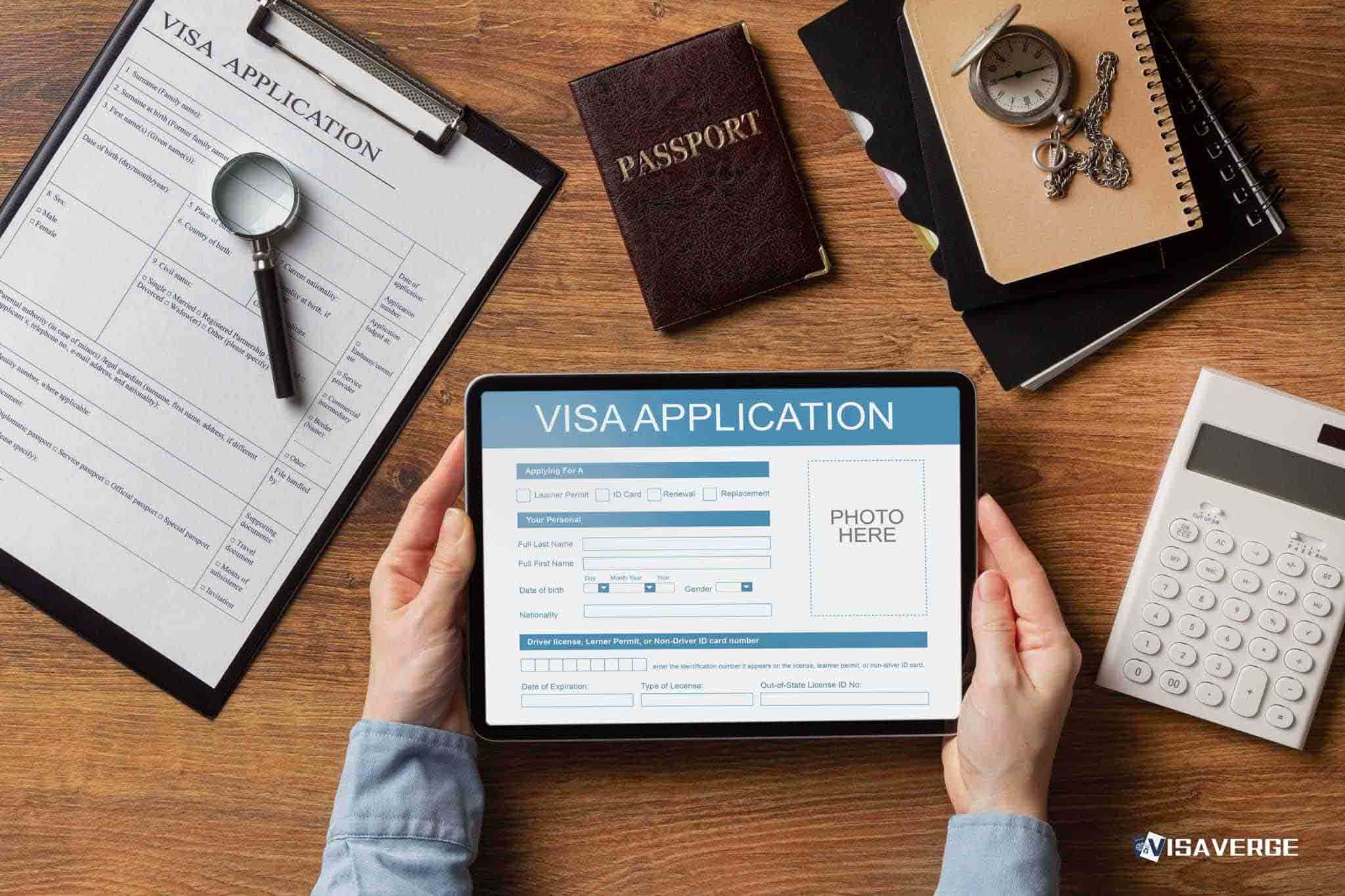
At the same time, U.S. policy changes are creating delays and uncertainty for Thai nationals planning U.S. immigration and for mixed-nationality couples planning long-term moves. If you split your year between Bangkok, Dubai, and the U.S., this is the year to tighten your paperwork habits.
| Aspect | Details |
|---|---|
| Visa Name | Destination Thailand Visa (DTV) (long-stay option often used by digital nomads); TDAC is a mandatory entry system for all foreign arrivals |
| Duration | DTV is a long-validity visa with repeat stays; TDAC applies per entry |
| Income Requirement | DTV commonly uses either $80,000/year income (≈ ฿2.8M/year) or $500,000 in assets (≈ ฿17.5M) depending on the applicant profile |
| Proof of Income | Typically bank statements, payslips/tax returns, and/or an employment/contract letter |
| Health Insurance | Often requested for long stays; requirements vary by route and can change by office |
| Processing Time | Varies by embassy/consulate and season; plan for weeks, not days |
| Application Fee | Varies; confirm on the official Thai e-visa or embassy page before paying |
| Tax Status | Thailand can treat you as tax resident after long stays; rules depend on days present and income/remittance patterns |
| Path to Residency | Possible through other routes; DTV is usually treated as a stay solution, not a direct PR track |
| Internet Speed | Bangkok/Chiang Mai commonly 100–300 Mbps in condos and coworking spaces |
| Time Zone | UTC+7 (friendly for APAC, workable for Europe mornings, tough for U.S. West Coast) |
| Cost of Living | Comfortable solo nomad: $1,400–$2,500/month depending on city and rent style |
🌍 Visa Highlight: Thailand’s DTV can reduce the pressure to do visa runs, but TDAC + biometrics now makes frequent border hopping far more visible.
1) Thailand’s Digital Arrival Card (TDAC): mandatory modern entry
The Thailand Digital Arrival Card (TDAC) is now a core part of entering Thailand. It became mandatory on May 1, 2025, and it applies to foreign nationals arriving by air, land, or sea.
TDAC is not “optional online paperwork.” It’s a pre-arrival digital record that connects your identity, trip details, and entry permission in one place.
What you must do (and when)
You submit TDAC through the official online portal at least 72 hours before arrival. After you submit, you receive a QR code.
That QR code matters more than people expect. Immigration uses it to pull up your submission fast, and it can reduce questions at the counter if your details match your passport and booking info.
The downstream impact: banks, landlords, and local offices
This is the biggest day-to-day change for expats. In Thailand, “life admin” often requires proving lawful stay.
Increasingly, you may be asked to show your TDAC QR code (or the related digital confirmation) when you:
- open or update a bank account
- sign a longer lease
- handle certain local office processes
The practical effect is simple. Your entry is now easier for institutions to verify, and inconsistencies are easier to spot.
Biometrics integration: what it means in practice
Thailand’s system is tied to a centralized database that can include fingerprints and facial biometrics. In daily terms, this usually means:
- faster identity matching at entry points
- less reliance on old-school “stamp logic”
- quicker flagging of overstay or pattern issues
Visa runs are not “dead,” but the pattern is easier to enforce
Thailand still allows lawful exits and re-entries. The difference is enforcement.
Land border entries under visa-exempt schemes are capped at two per calendar year. If you relied on frequent border hops, you’re now more likely to be flagged for a “serial tourist stay” pattern.
Frequent visa runs can trigger longer questioning, refusal at the border, or shorter discretionary stays—even if you were “getting away with it” before.
📋 Pro Tip: Keep an offline copy of your TDAC confirmation and QR code. Screenshots help when roaming data fails at land borders.
2) Concurrent U.S. government actions affecting Thai nationals and expats
While Thailand digitized entry, the U.S. introduced major shifts that affect Thai nationals and families planning U.S. immigration.
Immigrant visa issuance pause (immigrant vs. nonimmigrant)
An indefinite pause on immigrant visa issuances for nationals of 75 countries, including Thailand, took effect on January 21, 2026 (announced January 14, 2026).
This matters because immigrant visas are for permanent relocation (green-card pathways through consular processing). That pause is different from nonimmigrant visas, like tourist (B-2), student (F-1), and certain business categories.
Nonimmigrant processing is described as continuing, but “continuing” does not mean “easy.”
Heightened scrutiny and “public charge” style review
The practical meaning of heightened scrutiny is predictable. Officers look harder at financial capacity and consistent income evidence, clear purpose of travel, ties outside the U.S. that support a temporary visit, and record consistency across forms, prior travel, and supporting documents.
The risk is not just denial. It’s delays, requests for more evidence, or narrower interpretations of intent.
DHS program shifts as a tightening signal
Separate from that pause, DHS changes show a broader tightening tone. Examples to note include program halts and terminations announced in late 2025 and early 2026.
- DV-1 halt: December 18, 2025
- TPS termination example: Burma, effective January 26, 2026
- TPS termination example: Somalia, effective March 17, 2026
For Thai nationals, those programs may not be the main pathway. But the direction of travel is clear: higher evidence standards and less flexibility.
⚠️ Time Zone: U.S. embassy appointment releases often hit at odd hours for Thailand. In UTC+7, set alerts and plan a late-night check when needed.
3) Practical implications for individuals (Thailand stays + U.S. plans)
These changes create three immediate planning realities.
If you’re a U.S. expat in Thailand
Grey-area stay patterns have more downside now. With TDAC, QR codes, and biometrics, your travel history is easier to measure.
If you want to base in Thailand long-term, consider lawful long-stay routes such as:
- Destination Thailand Visa (DTV) for longer-term remote-work-friendly stays
- Thai Elite/Privilege-style programs for those prioritizing convenience and stability
The goal is boring but important: fewer stressful re-entries and fewer “explain your life” border interviews.
If you’re a Thai national planning U.S. permanent relocation
The January 21, 2026 immigrant visa issuance pause introduces real uncertainty. Timelines can shift after medical exams, job changes, school plans, or housing decisions.
Treat any irreversible move—quitting a job, signing a long lease, selling property—as premature until your case path is confirmed through official channels.
If you’re applying for a U.S. nonimmigrant visa
“Scrutiny” usually translates to sharper questions and tighter consistency checks.
Bring a clean, consistent story: one clear purpose of travel, documentation that matches your forms, financials that support the trip, and evidence of return plans.
No single document guarantees approval. Consistency is what reduces friction.
The shared trendline is digitized enforcement. Thailand is digitizing entry records. The U.S. is tightening eligibility review and record cross-checking. In both systems, messy timelines and conflicting documents get punished.
Step-by-step: how to handle TDAC + a Thailand long-stay plan
A) TDAC submission flow (practical version)
- Submit TDAC online. Do this at least 72 hours before arrival.
- Confirm details match your passport. Check name order, passport number, date of birth.
- Save your TDAC QR code. Keep copies on your phone and cloud/offline.
- Present the QR code at immigration when requested.
- Keep the confirmation for admin tasks in-country.
B) Building a long-stay strategy that survives 2026 enforcement
- Choose your base city based on call schedule: Bangkok for flights and services, Chiang Mai for community, islands for downtime.
- Pick a lawful stay route (often DTV or another long-stay option).
- Reduce border crossings that look like serial tourism.
- Keep a single folder with entry proofs, accommodation, insurance, and income evidence.
Pros and cons for digital nomads in 2026
Pros
- Faster arrivals when TDAC is clean and your QR code scans properly
- Better ability to prove lawful stay for rentals and services
- Thailand still offers strong coworking culture and deep nomad networks
- Internet is excellent in major hubs
Cons
- Frequent visa runs are more likely to trigger extra scrutiny
- Land border entry limits are stricter and easier to enforce digitally
- “One foot in, one foot out” living is harder if your paperwork is inconsistent
- More admin: you’ll be asked for digital confirmations more often
📶 Internet Note: In Bangkok and Chiang Mai, 5G coverage is strong. Condo fiber is usually reliable, but older buildings can be hit-or-miss.
Cost of living breakdown (Bangkok / Chiang Mai style nomad budgets)
| Expense | Budget | Comfortable | Premium |
|---|---|---|---|
| Rent (1BR) | $450 | $900 | $1,800 |
| Coworking | $60 | $150 | $300 |
| Food | $250 | $450 | $800 |
| Transport | $40 | $120 | $300 |
| Health Insurance | $80 | $180 | $400 |
| Entertainment | $100 | $250 | $600 |
| Total | $980 | $2,050 | $4,200 |
Bangkok trends higher on rent. Chiang Mai trends higher on comfort per dollar. Islands vary wildly by season.
Tax implications (read this before you book a 9-month stay)
Tax obligations for digital nomads are complex and depend on your citizenship, tax residency, and the countries involved. This article provides general information only. Consult a qualified international tax professional before making decisions that affect your tax status.
Working remotely from another country creates complex tax obligations. A digital nomad visa does NOT automatically exempt you from taxes in your home country or host country. U.S. citizens are taxed on worldwide income regardless of where they live. Consult an international tax professional before relocating.
Thailand can treat you as tax resident depending on how long you stay and how your income is structured. The 183-day rule is a common trigger globally, but details vary by country and situation.
If you’re comparing Thailand with a simpler tax environment, Dubai’s program is often part of the shortlist. The UAE/Dubai Virtual Working Program can be a cleaner fit for some profiles, especially if you want a no-personal-income-tax base (see our short guide on the Dubai remote work visa).
For Thailand planning, it helps to read up on tax residency basics before you commit to a long stay.
4) Official government sources and where to verify (without getting scammed)
For Thailand entry and TDAC, use the TDAC portal and the Thai Immigration Bureau pages for entry requirements and operational updates. Confirm you are on an official domain before entering passport data.
For U.S. visa changes, check U.S. Embassy in Thailand notices for local processing updates, use the USCIS Newsroom for policy updates and program notices, and consult the U.S. State Department resources for visa categories and travel advisories.
Verification habits that save real pain:
- Cross-check dates on the notice you’re reading.
- Save downloaded confirmations: TDAC QR, appointment pages, submission receipts.
- Keep one consistent spelling format across flights, TDAC, visa forms, and bank records.
Practical next steps (do this this week, not at the airport)
2–4 weeks before travel: Decide if you’re building a long-stay plan (DTV or similar) or a short stay. Reduce reliance on border hops. Read the Thailand DTV guide.
At least 72 hours before arrival: Submit TDAC and save the QR code in two places.
Before committing to 6+ months: Map your tax exposure, especially if you’ll cross common residency thresholds. Gather core proofs you’ll reuse: passport validity, income evidence, insurance, and clean copies of entry confirmations.
If U.S. immigration is part of your plan: Assume delays after January 21, 2026, and keep documents consistent across every filing and interview stage. Follow updates via the U.S. Embassy in Thailand and USCIS Newsroom.