What Is an Alien Registration Number (A-Number)?
Are you navigating through the U.S. immigration process? If so, you’ve likely come across the term “Alien Registration Number.” Also known as the A-Number, Alien Number, or USCIS Number, this 7-9 digit identifier is crucial for those applying to live in the United States. It’s a unique number that U.S. Citizenship and Immigration Services (USCIS) assigns to track your immigration files, also referred to as alien files or a-files.
Why is Your A-Number Important?
Your A-Number is the key to your immigration journey. USCIS requires it on most immigration documents you submit. Whether you’re filing new forms or tracking existing ones, your A-Number is integral.
How Do I Get an Alien Registration Number (A-Number)?
If you’re seeking to become a permanent U.S. resident, you’ll receive an A-Number once you apply for a Permanent Resident Card, more commonly known as a Green Card, or another type of Immigrant Visa.
| India | China | ROW | |
|---|---|---|---|
| EB-1 | Feb 01, 2023 | Aug 01, 2023 ▲31d | Current |
| EB-2 | Nov 01, 2013 | Oct 01, 2021 | Apr 01, 2025 ▲90d |
| EB-3 | Jan 22, 2014 ▲21d | Jan 22, 2022 ▲14d | Jun 15, 2024 ▲31d |
| F-1 | Jan 22, 2021 ▲366d | Jan 22, 2021 ▲366d | Jan 22, 2021 ▲366d |
| F-2A | Oct 22, 2026 ▲30d | Oct 22, 2026 ▲30d | Oct 22, 2026 ▲30d |
However, not all who come to the U.S. get an A-Number. If you’re here on a tourist or business visa, for example, you typically won’t need one, as USCIS doesn’t assign A-Numbers to nonimmigrants who are in the United States temporarily. There is one notable exception for F-1 student visa holders with employment authorization; they will receive an A-Number.
Where Can I Find My Alien Registration Number?
Finding your A-Number is straightforward once you know where to look. It appears on various USCIS documents, usually near the top of the page as “A#.” Here’s a handy list of places to check:

- Employment Authorization Document (EAD): Look for the nine-digit USCIS# below “USCIS#,” which is your A-Number.
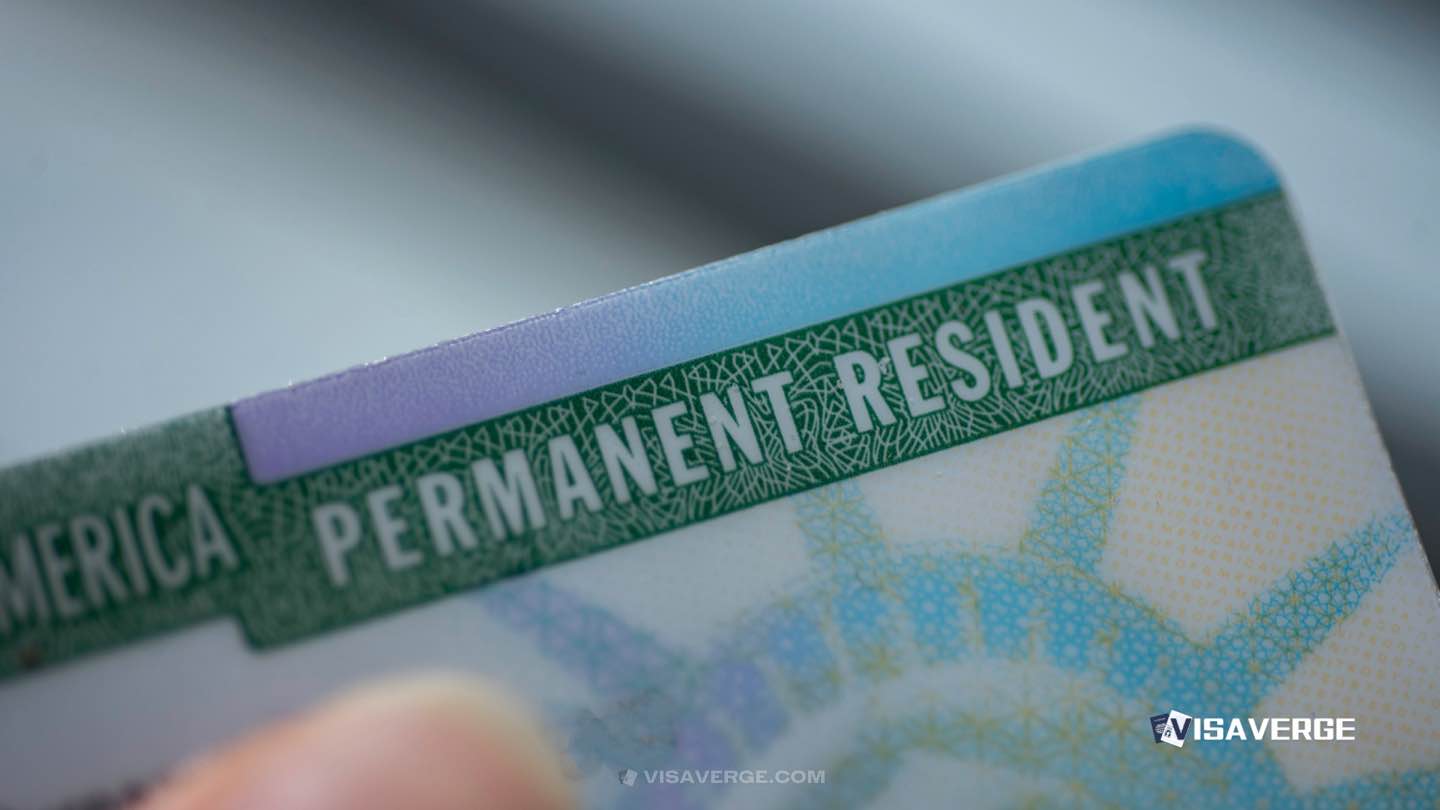
- Permanent Resident Green Card:
- Cards issued after May 10, 2010: Your USCIS# is the same as your A-Number.
- Cards issued between 2004 and May 10, 2010: The A-Number will be specifically marked.
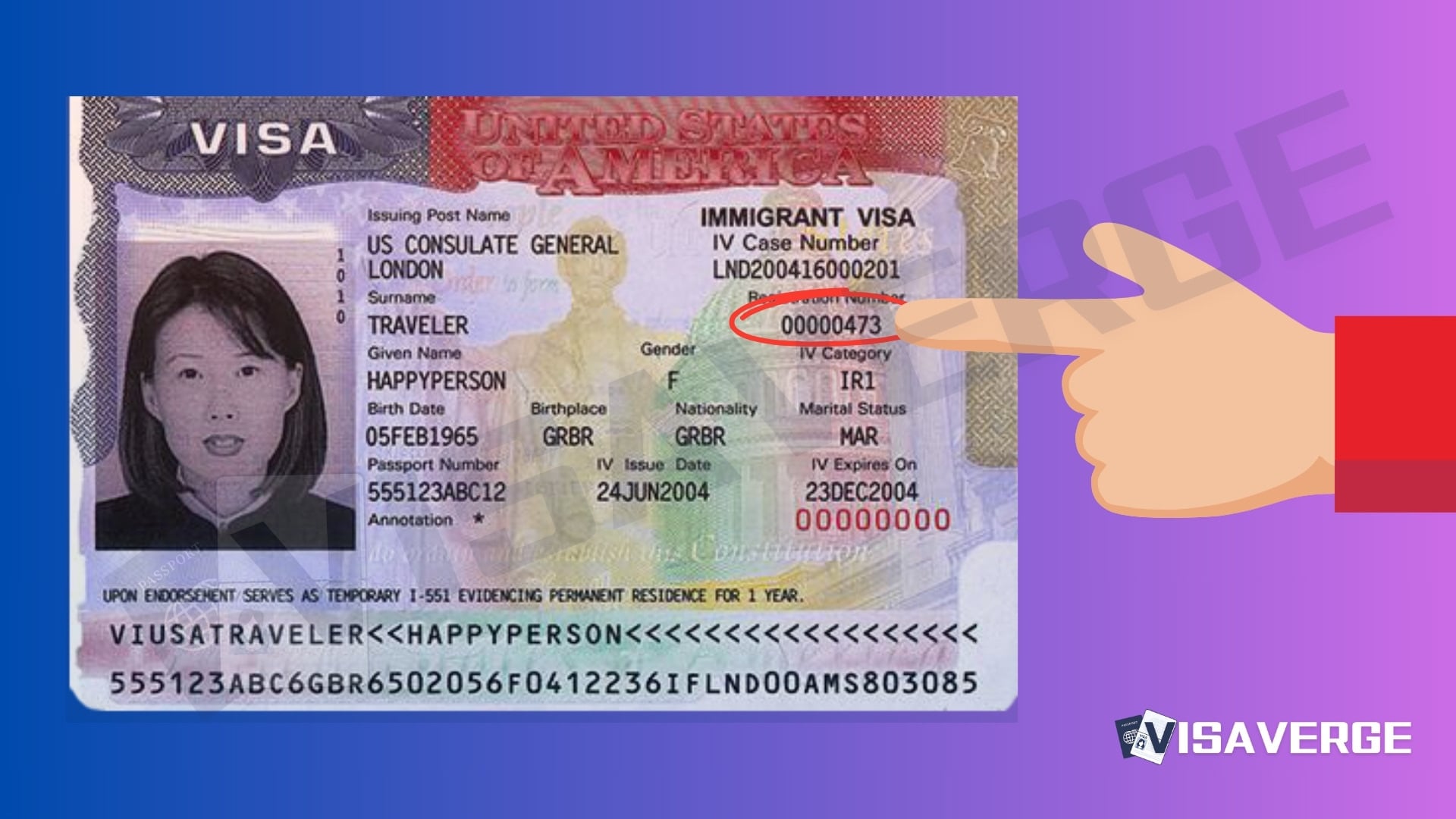
- Immigrant Visa: Your A-Number is listed underneath “Registration Number” on the Immigrant Visa stamp in your passport.
- USCIS Immigrant Fee Handout: This document shows your A-Number at the top right corner.
- Immigrant Data Summary: On the first page of your immigrant visa package.
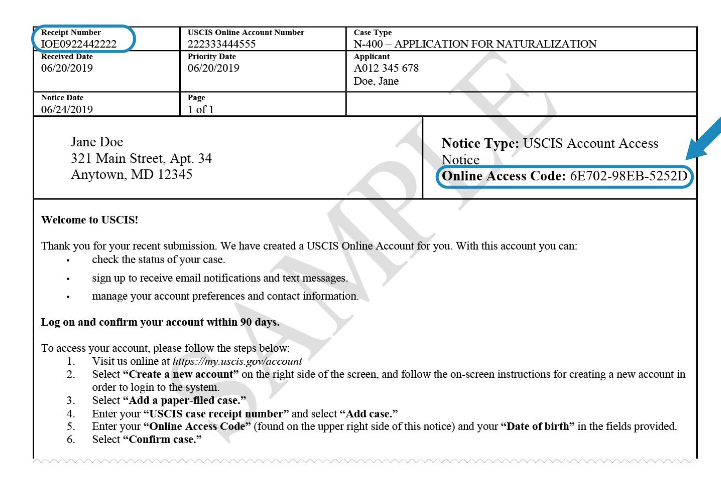
- Notice of Action (Form I-797C): If your A-Number is included, it will be under “USCIS#.”
Common Questions about Alien Registration Numbers
Let’s address some frequently asked questions about A-Numbers:
Is a USCIS Case Number the Same as an A-Number?
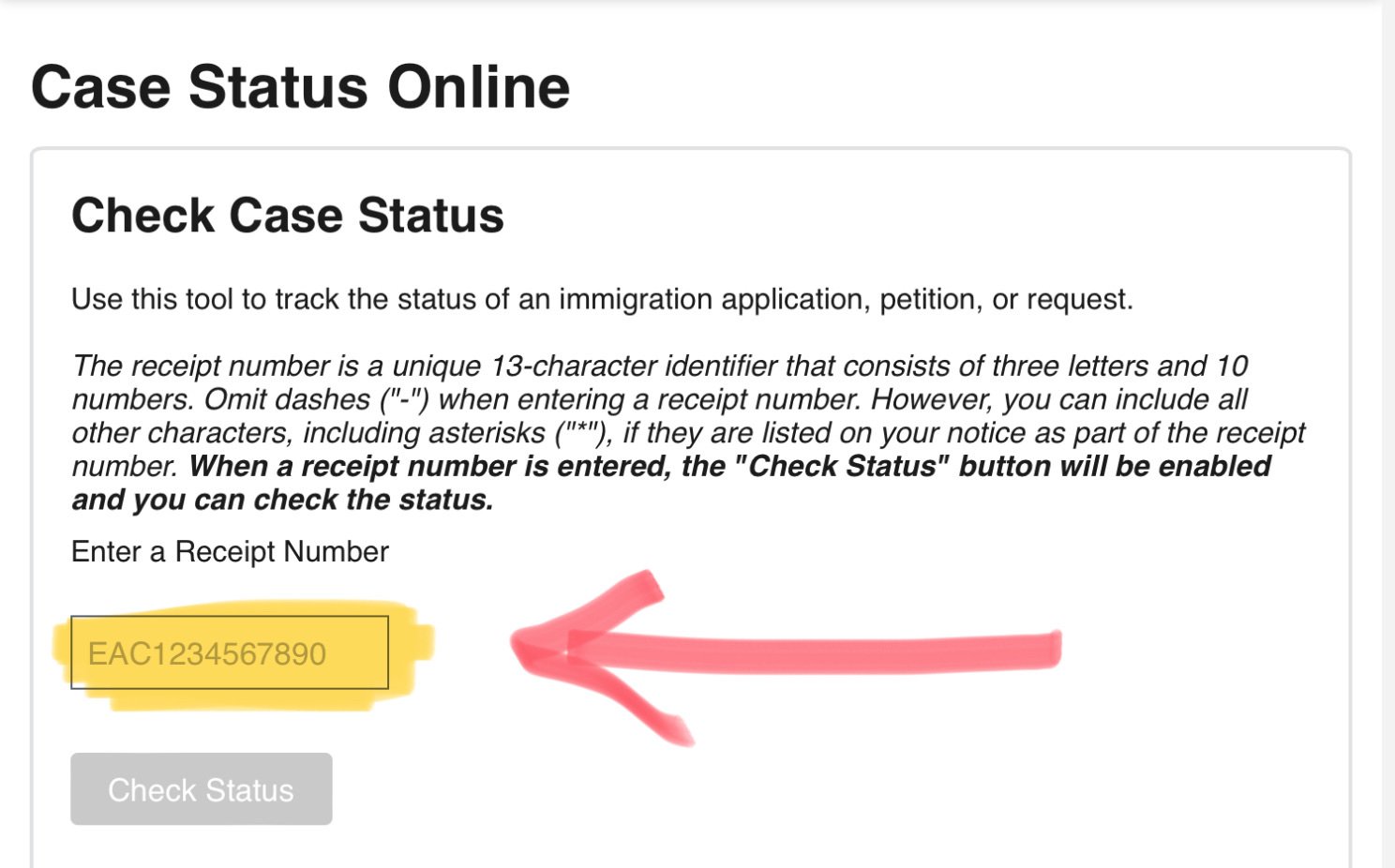
“No. USCIS uses your A-Number to track your records across applications, whereas a USCIS Case Number is specific to one application. Your A-Number is nine digits, while a USCIS Case Number is a 13-character code starting with letters such as ‘EAD’ or ‘MSC’ followed by ten numbers.”
Is a Social Security Number the Same Thing as an A-Number?
Again, no. A Social Security number is issued to immigrant workers eligible to work in the U.S., whereas the A-Number is given to those seeking permanent residency.
Is an EAD-Number the Same Thing as an A-Number?
Yes, they are the same. The nine-digit “USCIS#” on your EAD card is your A-Number. Do not confuse it with the EAD card number, which is not your A-Number.
Is a USCIS Online Account Number the Same As an A-Number?
No, these are different. The USCIS Online Account Number is provided if you create an online account with USCIS, separate from your A-Number.
What Should I Do if I Can’t Find My A-Number?
If you’ve checked all the common documents and still can’t locate your A-Number, don’t panic. You can request it directly from USCIS through a Freedom of Information Act (FOIA) request. This service is free, and you can get more information on how to do this at the USCIS website.
Knowing your Alien Registration Number is essential for a smooth immigration process. Staying informed and organized will help ensure that you move through with as few complications as possible. For more detailed instructions on finding your A-Number or for assistance with other immigration-related questions, visit the official USCIS website.
So that’s the scoop on Alien Registration Numbers (A-Numbers)! They’re like your secret code to the exciting world of U.S. immigration. Remember, your A-Number is your VIP pass to all your immigration files, so keep it handy. If you need more info to conquer the immigration process, head over to visaverge.com for all the juicy details. Happy exploring, my fellow tech-savvy immigration enthusiasts!
This Article in a Nutshell:
An Alien Registration Number (A-Number) is a 7-9 digit identifier used by U.S. Citizenship and Immigration Services (USCIS) to track immigration files. It’s crucial for immigration documents and is given to permanent residents and some nonimmigrants. It appears on various USCIS documents and can be obtained through a FOIA request if needed. Stay informed and organized for a smooth immigration process!