January 3, 2026
- Updated title to reflect 2026 guidance and broaden scope to ‘Understanding Malta Visa Requirements: A Practical Guide for 2026’
- Added visa-exempt country examples (US, UK, Canada, Australia) and listed non-exempt countries (China, Russia, India)
- Included concrete processing times: ~15 working days for short-stay C visas and up to several weeks for D visas
- Added a practical pre-application timeline recommending actions 4–6 months, 2–3 months, and at least 15 working days before travel
- Added detailed Digital Nomad Residence Permit requirements, fees, income threshold (€42,000), and three-phase application process
(MALTA) Malta applies Schengen Area rules, so most visitors must follow the 90 days in any 180-day period limit. The first decision is whether you need a visa, because that choice drives your documents, appointment route, and waiting time.

Travelers from visa-exempt countries such as the United States (??), the United Kingdom, Canada (??), and Australia can enter for tourism, business, or family visits without a visa for short stays. Travelers from non-exempt countries, including China, Russia, and India, need a visa before travel.
Free toolDS-160 Form Filling Online Helper ToolChoosing the visa lane that matches your stay
If you’ll be in Malta for less than 90 days within 180 days, the standard route is the short-stay “C” visa. This covers tourism, short business activity, and visiting family or friends. Processing is typically around 15 working days after you submit biometrics and a complete file.
If you’ll stay beyond 90 days, Malta uses a national “D” visa. It covers longer-term purposes such as work, study, family reunification, and other listed activities (from medical treatment to cultural events and humanitarian reasons).
A realistic pre-application schedule for 2026 travel
Start early because appointment slots can disappear for weeks. A strong file also needs time to gather bank records, insurance, and civil documents.
Start the pre-application 4–6 months before travel; assemble core docs (birth/marriage cert, employer letters, bank statements) and book the consular appointment 2–3 months ahead to secure slots.
Practical timeline:
- 4–6 months before travel
– Check passport validity.
– Collect core documents (birth/marriage certificates, employer letters, etc.).
- 2–3 months before travel
– Book the consular appointment.
– Finalize supporting letters and purpose-specific evidence.
- At least 15 working days before travel
– Allow room for processing and any follow-up requests.
According to analysis by VisaVerge.com, Malta’s rise as a remote-work base has made early planning routine, especially for applicants who must file through busy consulates outside Europe.
The standard Malta visa process in five actions
1) Check visa-exempt status and track Schengen days
- Time spent anywhere in the Schengen Area counts toward the same 90-day cap.
- Days spent in France, Italy, etc., reduce what remains for Malta.
- If not visa-exempt, choose the correct category now: “C” for short stays, “D” for long stays.
2) Prepare the core document set that every file relies on
Most refusals begin with missing basics. Build a folder that proves identity, your plan, and your ability to pay.
Common essentials:
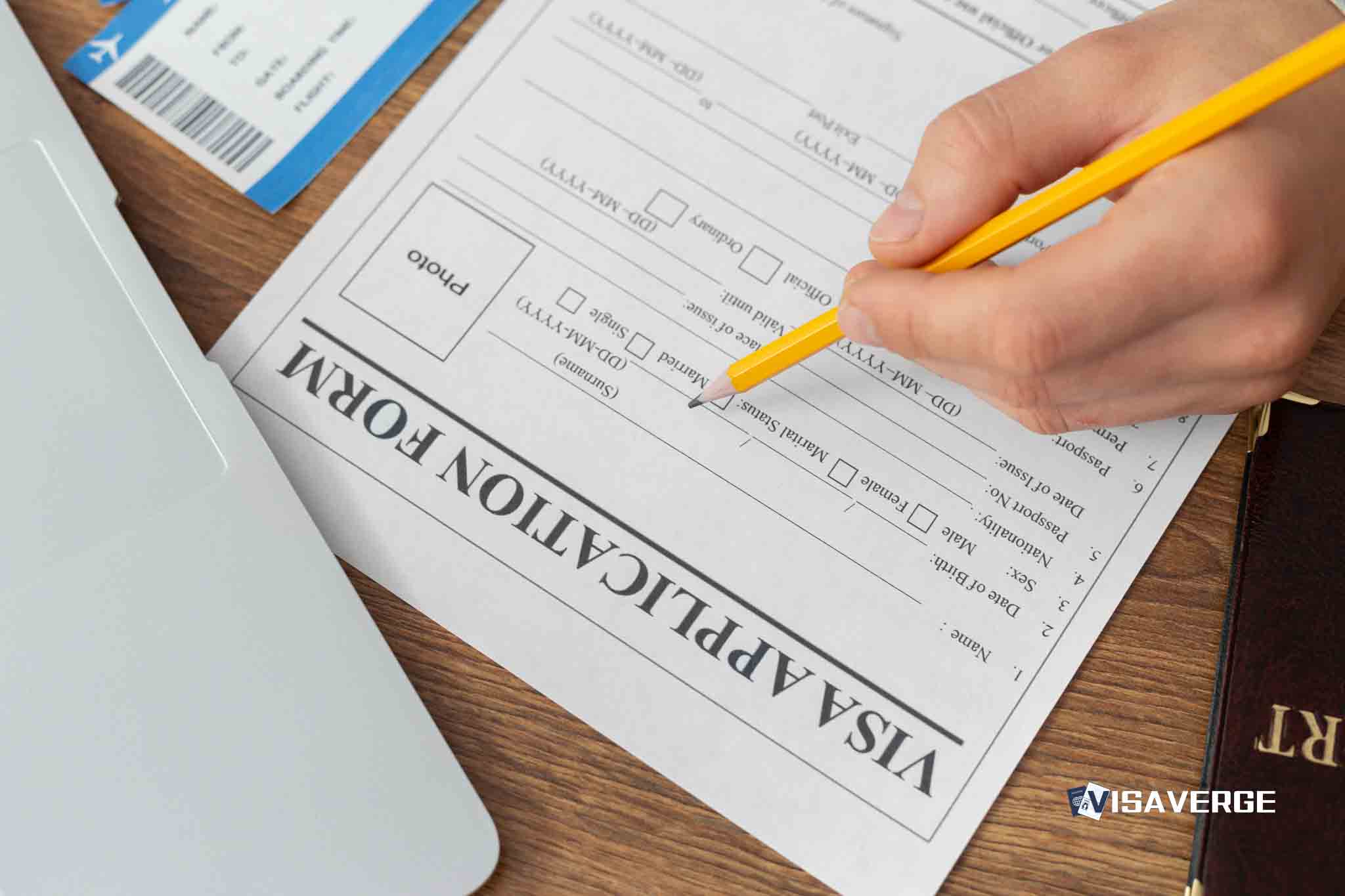
– A completed visa application form
– A passport valid for at least three months beyond the return date
– Passport photos on a white background (non-glossy preferred)
– Travel medical insurance covering the entire stay and the full Schengen Area
– Proof of accommodation for at least the first month
– Proof of funds — bank statements from the last three months
– A provisional flight booking or travel itinerary
– A cover letter explaining the purpose of the visit
Keep the order clean and consistent. Officers read fast.
3) Add purpose-specific evidence, and keep it aligned
Malta expects different proof for work, family, or business. Interview answers must match the documents.
- Employment:
- Employer letter with company name, address, phone, your position, tenure, and salary.
- Employment License or Work Permit Letter (Approval in Principle) from Jobsplus or Identità.
-
Family reunification:
- Family reunification certificate.
- Sponsor’s bank statements.
- Original marriage and birth certificates legalized in the country of origin.
-
Letter of invitation from the spouse in Malta.
-
Business visits:
- Declaration of Proof, host’s ID card, and host company’s Memorandum and Articles of Association.
- Evidence that business will be conducted.
4) Attend the in-person appointment and provide fingerprints
- An in-person appointment is mandatory.
- Officer checks documents and collects biometrics (fingerprints).
- Expect questions about itinerary, finances, and accommodation.
- Keep answers short and factual — avoid mixing “tourism” with intentions to work or look for a job.
5) Pay the fee and wait for the decision window
- Visa fees vary by type and length of stay; follow embassy/consulate instructions.
- Short-stay “C” visas: processing is typically around 15 working days.
- Long-stay “D” visas: often take several weeks; workload and checks affect timing.
Two requirements that decide many outcomes: insurance and accommodation
- Travel medical insurance is mandatory for many Malta visa files.
- Must cover repatriation for medical reasons, urgent medical attention, and emergency hospital treatment.
-
Coverage must be valid across the Schengen Area and for the full length of stay.
-
Accommodation proof must be concrete.
- Clear bookings or a lease that matches your dates and shows the address.
-
Vague plans or mismatched dates between bookings and flights raise doubts quickly.
-
Financial proof
- Three months of bank statements is a common baseline.
- Large deposits made right before applying often trigger questions; keep records consistent.
Malta’s Digital Nomad Residence Permit in three phases
Malta’s Digital Nomad Residence Permit is a popular 2026 option for non-EU remote workers. It targets third-country nationals who work remotely and have reliable earnings.
Key points:
– Applicants must be at least 18, hold a valid passport, show a clean criminal record, and carry health insurance.
– Minimum annual income: €42,000 (about €3,500 per month).
– Available to people who:
– Are employed by a company registered outside Malta, or
– Run a business abroad as a partner/shareholder, or
– Provide freelance/consulting services to foreign clients.
– Not available to EU, EEA, or Swiss nationals, nor to job seekers aiming for Maltese employment.
– Applications run through the official Residency Malta Agency system: online submission, screening, and an in-person card pickup.
– Government portal: https://residencymalta.gov.mt/
Phases:
- Phase 1 — Online submission and completeness check
– Upload passport, CV, employment contracts, financial statements, and criminal record certificate.
– Agency checks completeness; if complete, you receive an invoice.
- Phase 2 — Payment and background verification
– Pay the €300 application fee by bank transfer (non-refundable).
– Malta carries out background verification and document authentication.
– Initial processing takes up to 30 working days.
– Within 30 days of approval, submit accommodation and health insurance proof.
- Phase 3 — Entry and card issuance
– Travel with approval letter and passport.
– Collect the residence card in person at Residency Malta offices.
– Pay €27.50 card issuance fee by card (cash not accepted).
– The card is valid for one year.
Other rules:
– Accommodation: temporary stays up to one month allowed initially; on arrival you must show a one-year lease. Hostel stays are not accepted.
– Income proof: bank statements from the last three months; Malta expects evidence that the €42,000 threshold is met for at least five months.
Staying compliant after arrival, including day counts and work limits
A visa sets the purpose and length of stay, and Malta enforces those limits.
- Overstaying, working without authorization, or using a tourist stay for local employment can lead to:
- Substantial fines
- Deportation from Malta and the Schengen Area
- Re-entry bans for a set period
- Difficulties with future visa applications due to non-compliance on record
Overstaying or working without authorization can lead to fines, deportation, or re-entry bans; make sure your visa type (C for short stays, D for long stays) matches your planned activities.
People in Malta with lawful stay who seek extensions or status changes should act early, because options narrow as remaining permission time decreases.
Important: The best remedies are available while you still have valid permission; do not wait until expiry.
Refusals, appeal rights, and mistakes easiest to prevent
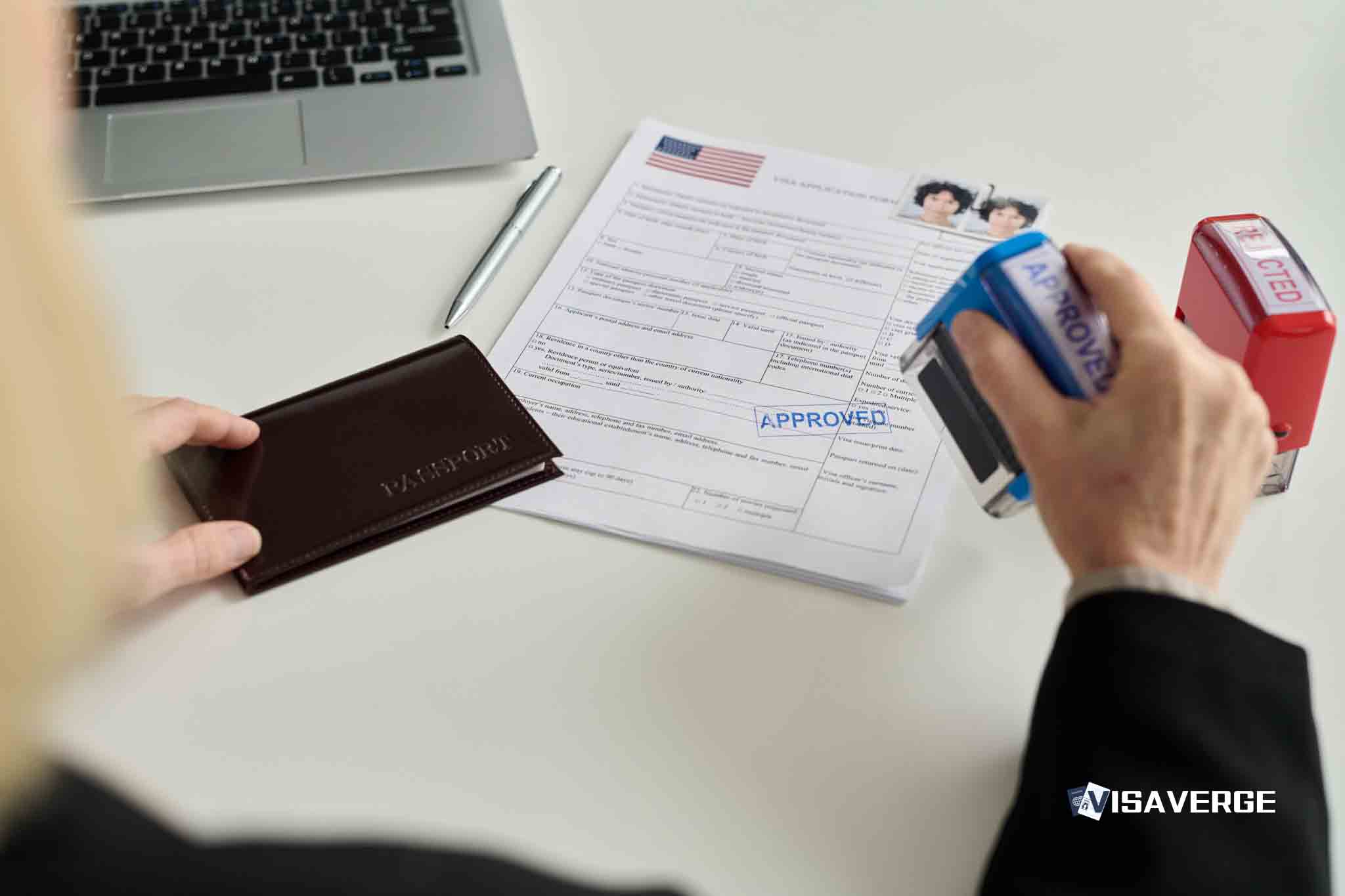
- A visa refusal includes a written notice explaining reasons.
- Malta allows an appeal within the timeframe stated in the notice.
- Effective appeals respond directly to the refusal points with clearer, better-organized evidence.
Common errors to avoid:
– Incomplete forms or inconsistent personal details
– Passports lacking the three-month post-return validity
– Insurance that does not cover the whole Schengen Area or the full trip
– Weak accommodation proof for the first month
– Bank records that do not show stable, usable funds
– Late appointment booking that forces rushed paperwork
ETIAS: the added step for many visa-free travelers
ETIAS is an upcoming travel authorization for visa-exempt short stays in the Schengen Area.
- Once launched, travelers who currently enter Malta without a visa (including US, UK, Canada, Australia) must apply for ETIAS for trips under 90 days.
- Holders of a valid Malta visa, or passports from Schengen countries, will not need ETIAS.
- For official details and the application when available, see the European Travel Information and Authorisation System (ETIAS) on the European Commission site: ETIAS
ETIAS will require visa-exempt travelers to apply for authorization for trips under 90 days; verify whether you’ll need it once launched and keep confirmation emails or PDFs handy.
Final practical reminders:
– Recheck your travel dates before you go.
– Carry printed insurance and booking confirmations.
– Keep copies of every document with you while traveling.
Malta adheres to Schengen rules, requiring most visitors to plan stays around the 90/180-day limit. The visa process varies between short-stay ‘C’ visas and long-stay ‘D’ visas for work or study. Essential documentation includes insurance, financial proof, and accommodation details. Additionally, the Digital Nomad Residence Permit provides a specific route for remote workers earning over €42,000, emphasizing the importance of early application and strict compliance.