- The DEA office in Santo Domingo closed indefinitely following a supervisor’s arrest.
- A DHS-led investigation is targeting alleged visa fraud involving confidential informant pathways.
- Applicants requiring law-enforcement sponsorship should expect processing delays and stricter verification.
DEA supervisor arrest and DEA Santo Domingo closure: what changed on February 12–13, 2026—and why it matters for visa integrity
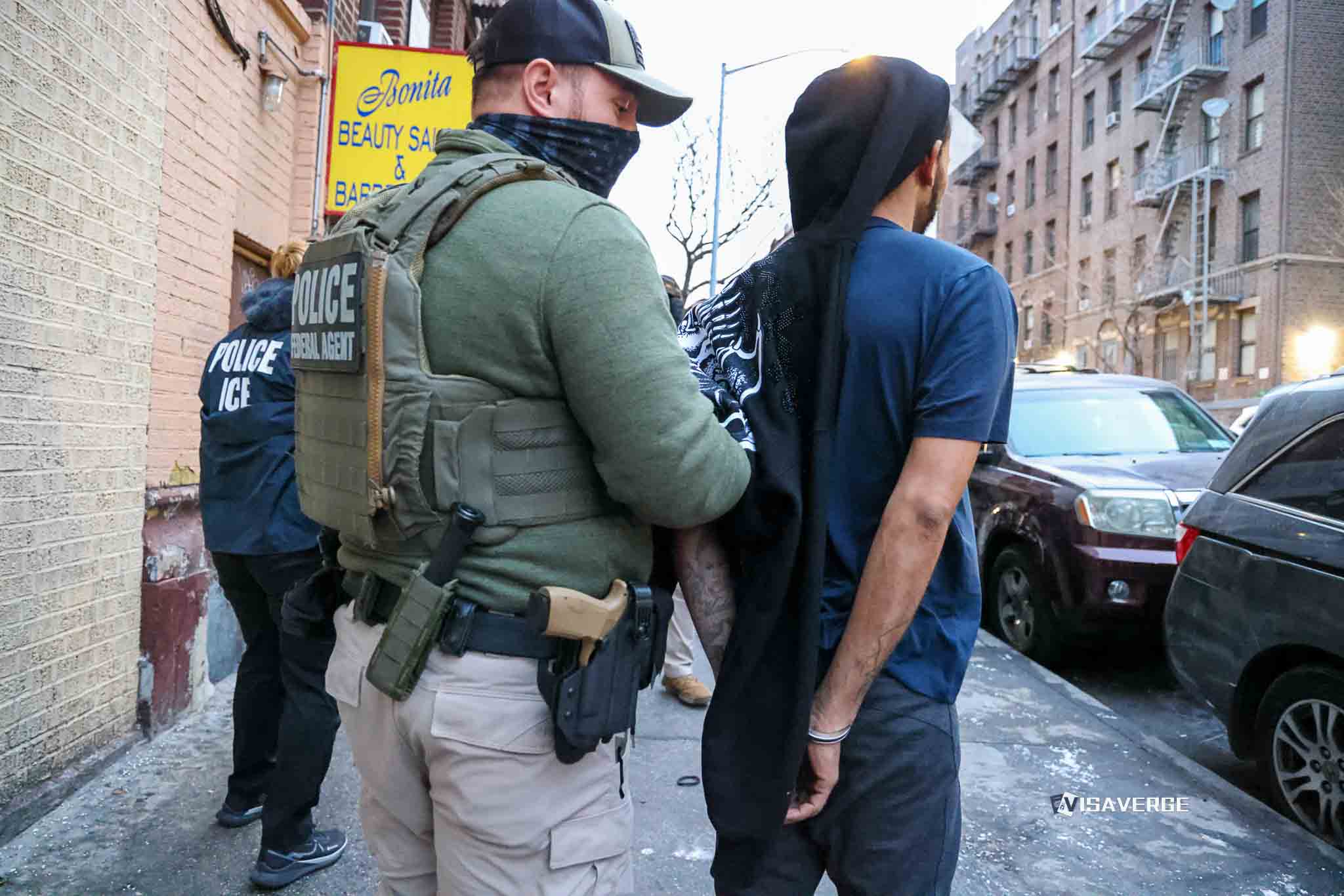
A significant operational change took effect this week: the DEA’s Santo Domingo, Dominican Republic, office has been closed “until further notice,” following the reported arrest of a DEA supervisor amid a visa-fraud probe. The closure was publicly announced on February 12, 2026, and official and media-attributed details about custody and investigative leadership continued to emerge on February 13, 2026.
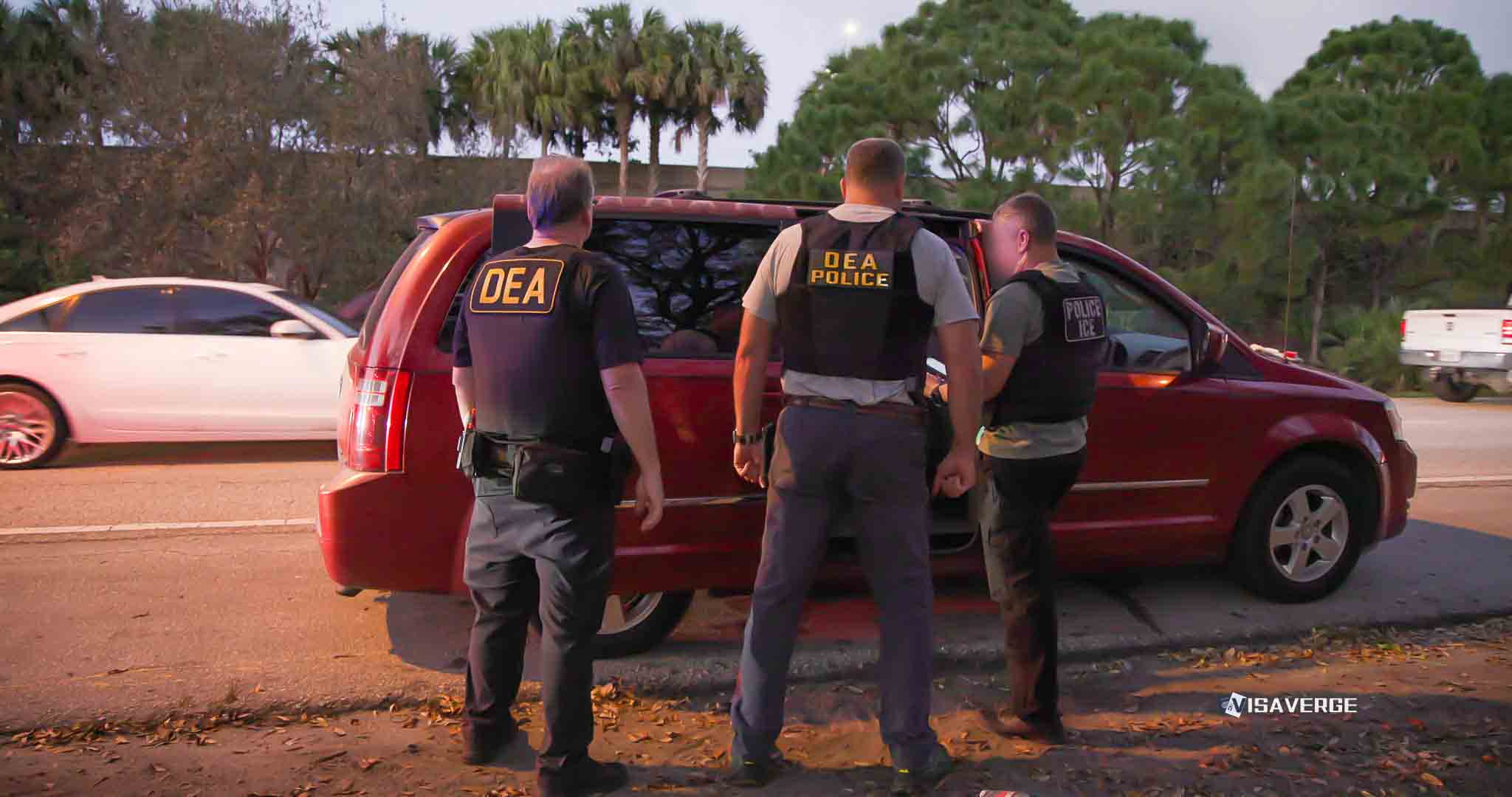
At this stage, the most concrete “change” for immigration and cross-border compliance purposes is the operational shutdown of a key U.S. law-enforcement platform in the region, coupled with a public corruption allegation linked to a sensitive informant-related visa pathway.
Source and authority: The most direct public confirmation is a statement attributed to the U.S. Ambassador (announcing the closure) and references to an investigation said to be led by the Department of Homeland Security (DHS), along with the agency status of the DEA office. The underlying allegations are unproven unless and until they are established in criminal proceedings or administrative findings.
Free toolDS-160 Form Filling Online Helper ToolWarning: Allegations in an investigation are not adjudicated facts. Immigration or visa consequences typically flow from formal findings, charges, or documented fraud determinations—not from headlines alone.
Overview and timeline (Feb. 12–13, 2026)
- Feb. 12, 2026: The U.S. Ambassador in Santo Domingo publicly announced an indefinite closure of the DEA office, citing a zero-tolerance posture toward corruption.
- Feb. 13, 2026: Dominican officials characterized the closure as an internal U.S. matter, and reporting attributed to officials indicated DHS is leading the investigation and that the supervisor was taken into custody in the United States.
Why it matters: an overseas office closure can disrupt law-enforcement cooperation, slow casework tied to security vetting, and trigger integrity reviews for any immigration benefits connected to informant sponsorship.
| India | China | ROW | |
|---|---|---|---|
| EB-1 | Feb 01, 2023 ▲109d | Jul 01, 2023 | Current |
| EB-2 | Nov 01, 2013 | Oct 01, 2021 ▲30d | Jan 01, 2025 |
| EB-3 | Jan 01, 2014 | Jan 08, 2022 ▲7d | May 15, 2024 ▼109d |
| F-1 | Jan 22, 2020 | Jan 22, 2020 | Jan 22, 2020 |
| F-2A | Sep 22, 2026 ▲31d | Sep 22, 2026 ▲31d | Sep 22, 2026 ▲31d |
Key facts and figures (confirmed vs. context)
Primary suspect (as reported): The individual identified in reporting is Melitón Cordero, described as a long-serving DEA supervisor assigned to the Dominican Republic. Public reporting ties his role to oversight of investigations and information sharing.
Alleged mechanism: The investigation centers on misuse of a visa-related benefit channel linked to confidential informants. Historically, this area intersects with the S visa framework for witnesses and informants who assist law enforcement. The S visa category is governed by statute and regulation, and it is tightly capped and controlled. See generally INA § 101(a)(15)(S) and 8 C.F.R. § 214.2(t). Not every informant-related immigration action is an S visa, and not every fraud allegation involves S visa filings, so readers should avoid assuming a single form or process.
Operational action: The DEA’s Santo Domingo headquarters is closed until further notice. Operationally, that typically signals at least a temporary pause in local office-driven functions, including interviews, coordination meetings, and certain case support tasks.
Historical context (background, not proof): A 2019 DOJ Office of the Inspector General review previously highlighted oversight and tracking risks in informant-related immigration sponsorship, including instances in which agencies lost track of sponsored individuals. This context may help explain why investigators and policymakers treat such allegations as high risk.
Applies To (brief summary): In general terms, the development is most relevant to (1) visa applicants whose cases require law-enforcement sponsorship or related clearances, (2) confidential informants and derivatives whose immigration status depends on cooperation-based pathways, and (3) U.S. personnel and contractors assigned to, or working with, the closed office.
Official statements and positions: what they do—and do not—mean
- U.S. Ambassador: The public messaging emphasized zero tolerance for corruption and announced the office closure as an operational step.
- Dominican Foreign Affairs Minister: The Dominican government publicly framed the closure as an internal U.S. investigation matter.
- DHS role (as reported): Reporting attributes investigative leadership to DHS, with custody/transfer actions occurring in the United States.
How to read these statements: operational announcements can be reliable indicators of agency posture and short-term logistics. They are not legal conclusions about guilt, fraud, or immigration consequences.
Impact on operations and regional security
In the short term, the closure may cause:
- Coordination gaps with host-nation counterparts.
- Slower case progression for joint investigations and intelligence-sharing.
- Delayed joint actions where on-the-ground DEA participation is customary.
Continuity measures often include reassignment to other regional posts, remote coordination, and temporary support from embassy-based channels. Those steps are common, but specifics may not be confirmed publicly.
Practical note: If your case depends on law-enforcement confirmation letters, sponsorship packets, or interagency checks, expect possible delays and re-verification.
Implications for visa integrity and public trust
Benefits tied to law-enforcement cooperation are controlled because they can involve applicants who may otherwise face inadmissibility issues. Fraud risk areas often include:
- Sponsorship documentation and who is authorized to sign.
- Eligibility verification tied to cooperation and usefulness.
- Tracking and monitoring after entry.
- Conflicts of interest and improper payments.
Public investigations like this can prompt audits and stricter documentation demands across related pipelines. That is a general institutional response, not a prediction about any individual case.
Source attribution (brief summary): Publicly available information is attributed to U.S. embassy leadership statements, Dominican government statements, and reporting that cited current and former officials, along with referenced DOJ Inspector General findings.
Impact on affected individuals: what may happen during an investigation
Routine visa applicants (tourist, student, employment): Most consular and USCIS processes typically continue. However, cases requiring law-enforcement-linked clearances may slow.
Confidential informants and sponsored individuals: Individuals tied to cooperation-based filings may see:
- case file reviews,
- requests for documents,
- follow-up interviews, or
- status action if fraud is established.
Fraud findings can have serious consequences, including inadmissibility under INA § 212(a)(6)(C)(i) (willful misrepresentation) and potential removal issues. Outcomes depend on the facts and procedural posture.
Government personnel: Reassignment, interviews, and document preservation requests are common steps in internal investigations.
Derivative family members: When eligibility is tied to a principal applicant’s cooperation-based status, derivative benefits can be affected if the principal case is questioned or revoked.
Deadline watch: If you receive a Notice of Intent to Revoke, a Request for Evidence, or a consular refusal under INA § 221(g), respond within the stated timeframe. Missing deadlines can be case-dispositive.
Historical context: why the 2019 OIG findings matter (and what they do not prove)
The 2019 DOJ OIG report is relevant as background because it highlighted oversight weaknesses and tracking challenges for sponsored individuals. Agencies often react to past findings by tightening documentation and review protocols.
That said, legacy oversight critiques do not establish guilt in the present matter. Each investigation turns on its own evidence and procedures.
Official sources and where to follow updates
For confirmed updates, monitor official agency and embassy communications.
Recommended actions (next 7–30 days): If you have a pending case involving informant sponsorship, or any law-enforcement-linked immigration benefit, consult counsel promptly to assess exposure, preserve records, and plan for re-verification requests.
⚖️ Legal Disclaimer: This article provides general information about immigration law and is not legal advice. Immigration cases are highly fact-specific, and laws vary by jurisdiction. Consult a qualified immigration attorney for advice about your specific situation.
Resources:
- AILA lawyer search