January 3, 2026
- Updated entry rule: e-visa mandatory for most non-exempt travelers effective January 5, 2025
- Removed visa-on-arrival option and warned travelers they may be denied boarding or entry
- Added list of visa-exempt countries (Algeria, Burkina Faso, Chad, Côte d’Ivoire, Gambia, Guinea-Bissau, Libya, Mali, Niger, Senegal, Tunisia)
- Added e-visa process steps, 2–3 business day processing guideline, and recommended apply at least one week before travel
- Included biometrics-on-arrival requirement, overstay fines (5,000 MRU ≈ $125) and stricter enforcement details
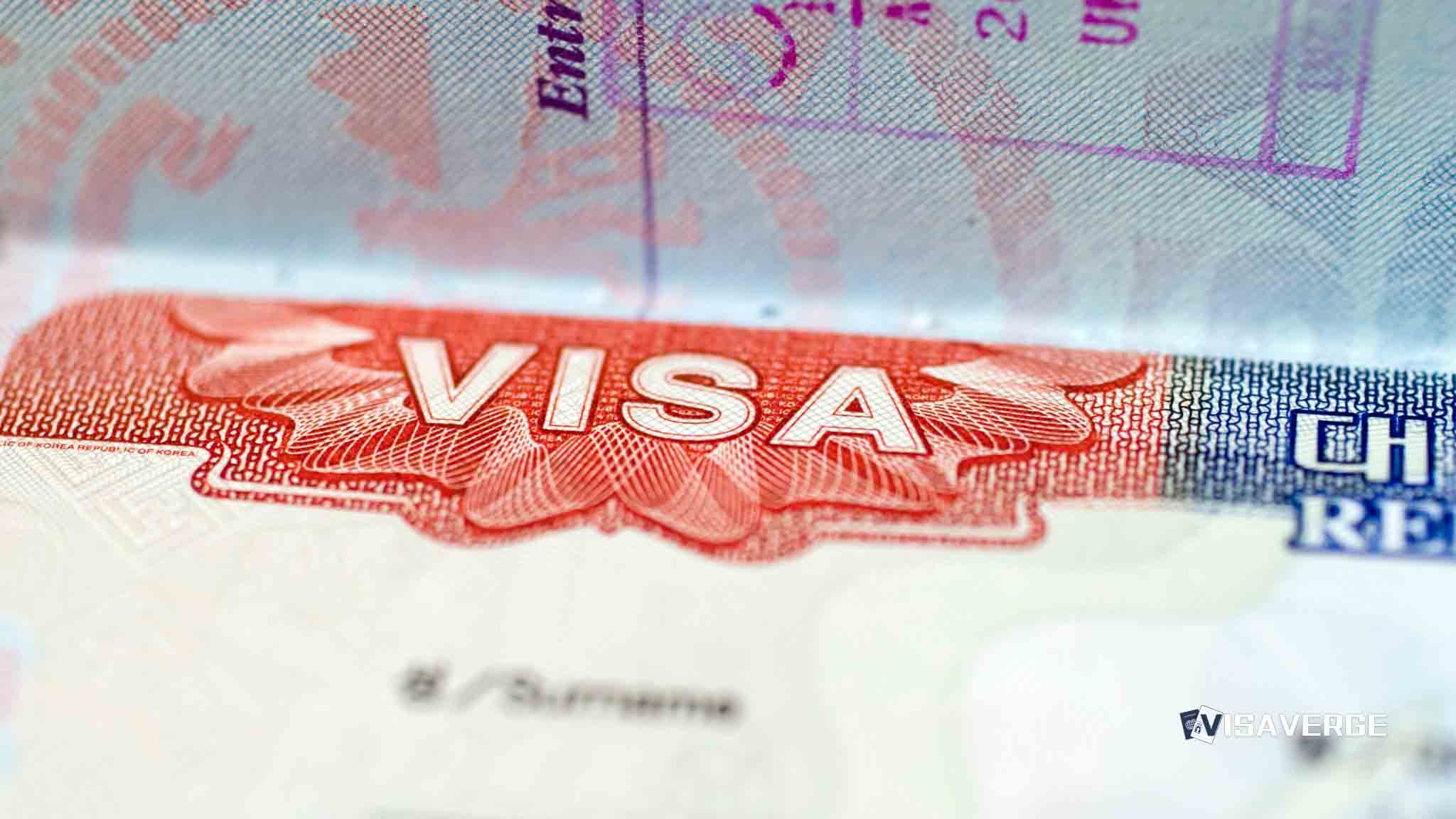
(MAURITANIA) Mauritania now requires most travelers to get an e-visa before they fly, and the old visa on arrival option has ended. The change took effect January 5, 2025 (with some early reports pointing to January 9, 2025), and it affects tourists, business visitors, and even many transit passengers.

If you show up expecting a visa on arrival, you risk being refused boarding or refused entry. The practical fix is simple: apply online, wait for approval, print the document, and finish biometrics at the border.
The rule change that drives every travel plan
Mauritania’s shift to a digital-only system means travelers who are not visa-exempt must complete the e-visa step before departure. The process runs through the National Agency for Population and Secure Titles Registry (ANRPTS), and it replaces three older routes at once: airport visas, physical sticker visas, and consulate filing for short stays.
For travelers, this is mostly a planning change, not a paperwork explosion. The key difference is timing: what used to happen after landing must now happen before you pack your bags.
According to analysis by VisaVerge.com, the biggest mistake travelers make under new e-visa systems is treating them like airline check-in: something to do the night before.
Step 1: Confirm whether you’re visa-exempt
Before you apply, check whether you fall into Mauritania’s visa-free group. Citizens of these countries do not need an e-visa to enter (entry still depends on border approval):
- Algeria
- Burkina Faso
- Chad
- Côte d’Ivoire
- Gambia
- Guinea-Bissau
- Libya
- Mali
- Niger
- Senegal
- Tunisia
Everyone else should assume an e-visa is required. That includes many travelers from the United States (🇺🇸), Canada (🇨🇦), the UK, EU countries, Australia, India, and China.
Step 2: Pick the right e-visa for your trip purpose
Mauritania’s e-visa options cover the same common travel reasons people used to handle at the airport. Main categories include:
- Tourist e-visa — sightseeing and leisure travel
- Business e-visa — meetings, conferences, commercial visits
- Transit e-visa — short stays while routing elsewhere
- Diplomatic/official visas — government-related travel
Entries can be single, double, or multiple, with stays commonly described as 30 to 90 days. Some multiple-entry visas may reach up to 1–2 years. Choose carefully at the start: upgrades after approval aren’t treated as a simple edit.
Step 3: Prepare documents that match your exact story
Your approval depends on whether your documents support the same trip you describe in the application. Prepare clear scans and keep file names simple.
Expect to provide:
- A passport bio-page scan, with passport validity of at least six months beyond arrival
- A recent photo (digital format, light background, taken within the last six months)
- Proof of purpose:
- Tourist: hotel booking or itinerary
- Business: invitation letter or host details
- Transit: onward ticket details
- An email address you can access while traveling
Health and entry screening also matter. If arriving from a yellow-fever risk area, bring your yellow fever certificate. Border checks can include questions about funds and onward travel, so keep a return or onward booking and a basic funds record ready.
Step 4: Submit the online application and pay
Mauritania’s e-visa filing is designed to be completed online. The typical flow is:
- Complete the online form with personal data, travel dates, and entry type.
- Upload the scanned documents and photo.
- Pay the required fee by card.
- Submit and monitor for the approval notice.
Processing is described as 2–3 business days, but some travelers build extra buffer time because peak travel months and holidays slow review. A good planning standard is at least one week before travel, because airline check-in staff often ask to see the approval.
Fee examples in the material vary by route and service. Representative figures mentioned include:
| Source / Channel | Typical Fee Range |
|---|---|
| Third-party service examples | $59–$89 |
| Older ranges by nationality & entry | $45–$153 |
| Embassy fee shown in one channel | $0 |
The constant point is more important than the exact number: payments are treated as non-refundable once submitted.
Step 5: After approval, print and travel with the right paperwork
When you receive the e-visa approval, download it and print a copy. Carry it with the same care you give your passport. Airlines and border officers often want a paper copy even when they can see the record on a screen.
Build a simple travel folder that includes:
- Printed e-visa approval
- Passport
- Yellow fever card (when applicable)
- Hotel confirmation or invitation letter
- Return or onward booking
This is the point where the old visa on arrival habit hurts people. Under the old system, missing paperwork could sometimes be handled at the airport counter in Nouakchott. Under the new system, missing paperwork can stop you before boarding.
What happens at the border: biometrics and entry questions
The e-visa does not end border screening. It shifts the approval step earlier, then finishes identity capture after arrival.
On arrival, expect officers to:
- Review your printed e-visa and passport
- Collect biometrics (fingerprints and photo)
- Ask about your reason for travel and where you will stay
- Request proof of funds and onward travel if they choose
The guidance also notes that entry is not automatic. A visa or e-visa lets you request entry; the border officer makes the final admission decision.
For official background and traveler-facing warnings, many visitors also check the United States government’s Mauritania country information page: https://travel.state.gov/content/travel/en/international-travel/International-Travel-Country-Information-Pages/Mauritania.html
Staying compliant inside Mauritania: registration and overstay risk
After you enter, focus on two compliance issues: local registration practices and your allowed length of stay.
- Some travelers may need to report to local police within 3 days; hotels often help with this step.
- Keep your passport and e-visa accessible, and carry copies when moving around cities.
Overstays trigger serious consequences. The material cites overstay penalties starting at 5,000 MRU (about $125) and warns of outcomes including detention, deportation, and bans. Another figure notes fines of $100+. The message is consistent: do not treat overstay as a minor fee.
Extensions are described as limited. Longer-term plans (work or study) typically move into residency processes after arrival rather than casual e-visa renewals.
Travel safety and cultural expectations that affect immigration outcomes
Immigration decisions are shaped by behavior at the border and during the stay. Mauritania is an Islamic republic with strict rules and social norms.
- Dress modestly, respect Ramadan practices, and avoid alcohol-related issues that can escalate quickly.
- The safety guidance flags a high terrorism risk, with extra caution near remote border areas.
- Emergencies, detours, and checkpoints can quickly turn into document checks—keep identification available and store digital backups securely.
The best trips are the boring ones at the border: correct e-visa, matching documents, and a clear plan that lines up with what you told the authorities.
Mauritania has replaced its visa on arrival program with a mandatory digital e-visa system effective January 2025. Most international travelers, excluding specific West and North African nations, must obtain approval online before departure. This change requires better pre-trip planning, including document preparation and biometric registration at the border. Overstaying carries heavy fines and legal consequences, emphasizing the need for strict compliance with stay durations.