


January 2, 2026
- Updated country entry rule: e-Visa required for most visitors since July 1, 2023
- Added detailed e-Visa process with 4-step application flow and 3 business day processing
- Included specific fees and timing: $75 base fee, $50 express, and sample third-party totals
- Added document requirements and thresholds: 2MB uploads, $2,000 proof of funds, $30,000 insurance, yellow fever certificate
- Clarified visa exemptions and exceptions (CEMAC citizens visa-free, UAE visa-on-arrival 90 days)
- Added statistics and enforcement data: ~50,000 e-Visas annually, 95% approval, 15% rejection for incomplete apps
(EQUATORIAL GUINEA) Equatorial Guinea now requires an e-Visa for almost all visitors, and the online system has been the main route since July 1, 2023. If you’re traveling for tourism or business, you apply online, receive approval by email, and print the e-Visa to show on arrival at Malabo International Airport.

This change affects most nationalities, including U.S. citizens, because visa-on-arrival is not available for them. The shift matters because border officials have tightened document checks, and incomplete files still drive rejections and airport turnbacks.
Free toolDS-160 Form Filling Online Helper ToolCore rule since July 1, 2023: e-Visa first, airport second
Equatorial Guinea’s entry process now starts before you fly. The government’s online system replaced most in-person embassy submissions for visitor travel, using the official portal at the Equatorial Guinea e-Visa website. Tourist and business applications make up most demand, but the platform also supports other short-stay purposes.
A few groups remain exempt or treated differently:
- CEMAC citizens (Cameroon, Central African Republic, Chad, Congo, Gabon) enter visa-free using national ID or biometric passports under a policy in place since October 17, 2017.
- Several nationalities and diplomatic or service passport holders have limited visa-free access, including Barbados and Tunisia (30 days) and Turkey (90 days).
- UAE nationals with regular passports are a major exception: they can get visa on arrival for 90 days at Malabo International Airport only.
For everyone else, authorities expect a pre-approved e-Visa. Overstays or improper entry can trigger penalties, including fines up to $500 or deportation.
Important: The e-Visa must be pre-approved before travel. Arrival without a valid e-Visa (unless you are exempt) risks denial of entry.
Choosing the right visa: match purpose to permission
The e-Visa category you select controls what you’re allowed to do in-country and affects what evidence officers expect at the border.
Common short-stay options include:
- Tourist e-Visa: sightseeing, family visits, short courses; single or multiple entry; validity up to 90 days from issuance, with stay length typically 30–90 days.
- Business e-Visa: meetings, conferences, short commercial activity; single or multiple entry; no employment permitted.
- Transit e-Visa: short stop while continuing elsewhere; stay up to 7 days with proof of onward travel.
Work authorization requires more documentation. Employment cases often involve additional verification, and many applicants still use embassy support or a service provider for that track.
Document prep: what immigration officers look for
Most refusals are avoidable and usually stem from missing health documents or low-quality scans. Prepare clean PDF or JPG files and keep each file under 2MB when uploading.
Expect to provide:
- Passport bio page scan with at least 6 months validity beyond entry, signed, and with blank pages
- Recent passport photo on a white background, following 35x45mm-style specs
- Proof of accommodation for the full stay (hotel booking or host invitation)
- Return or onward ticket itinerary
- Travel/medical insurance for the entire trip (a $30,000 coverage level is commonly recommended in travel practice)
- Proof of funds such as bank statements showing $2,000+ (or equivalent)
- Yellow fever vaccination certificate (ICV), carried physically
Health checks are enforced in practice. Officials have strictly required yellow fever proof, and 2025 border data cited 20% rejections for missing proof during regional outbreaks. Bring the paper certificate, not only a phone image.
The application journey: 4 steps from online form to entry
Plan to apply 7–10 days before travel even though standard processing is fast; weekends, holidays, and document fixes create avoidable stress.
Apply 7–10 days before travel, upload clear PDFs under 2MB, and print the approved e-Visa. Ensure your name on documents matches your passport to avoid rejections at Malabo.
- Complete the online application on the official Equatorial Guinea e-Visa portal, selecting nationality and visa type, then entering passport and trip details.
- Upload documents clearly and double-check names, dates, and passport numbers before submission. Blurry files and mismatched information drive rejection rates that reached 15% in enforcement data for incomplete applications.
- Pay the fee and submit. The base government fee is $75 USD, and some channels add service charges. The official site accepts card-style payments and includes paid expedited options.
- Track, receive approval, and print. Standard processing is 3 business days. When approval arrives by email, print the e-Visa and pack it with your passport and vaccination record.
At the airport, immigration officers typically compare your printed approval against your passport and trip details, then confirm you meet health and funding requirements. Keep your hotel confirmation and return ticket accessible even if you already uploaded them.
Important: Having an approved e-Visa does not guarantee entry. Officers will verify that you match the approved traveler profile and that you carry the same evidence submitted online.
Fees and timing: what to budget, what to expect
Processing is published as 3 business days, but volumes and peak travel months can slow decisions. Reports cite more than 50,000 e-Visas issued annually, with 95% approvals when applications are complete. December through January has produced a share of delays.
Fee overview:
| Item | Typical cost |
|---|---|
| Base government e-Visa fee | $75 USD |
| Express processing (optional) | +$50 |
| Third-party service fees (varies) | Total examples $134–$164 for U.S.-based applicants |
Third-party providers may add service charges; totals depend on provider and visa type.
Arrival at Malabo: the document check that decides your entry
Even with an approved e-Visa, entry is not automatic. Officers confirm you match the approved traveler profile and that you carry the same evidence you submitted online.
Pack these in your carry-on:
- Printed e-Visa approval
- Passport with adequate validity
- Yellow fever ICV (paper certificate)
- Accommodation confirmation and contact details
- Proof of funds summary and return ticket evidence
- Insurance policy page showing coverage dates
One practical rule helps: if a document explains a risk, an officer will ask for it. Yellow fever proof and a credible stay plan are the two most common friction points at the desk.
Warning: Failure to present required documents at arrival can result in immediate refusal of entry or deportation, even if the e-Visa was approved.
For families, students, and business travelers: common traps and fixes
- Families: Children cannot be added to a parent’s approval. Each child needs an individual e-Visa application, supported by family documents such as a birth certificate and parental consent where required.
- Business travelers: Labeling a trip “business” while performing paid work is a common mistake. A business e-Visa supports meetings and conferences, not employment. If you are delivering services under a contract, expect extra scrutiny and consider the correct work-authorized route.
- Long-term relocation: A short-stay e-Visa is only the first step. Residence permission is handled through national processes; renewals for skilled workers have been part of policy discussion in recent years.
According to analysis by VisaVerge.com, the e-Visa rollout reshaped who travels to Equatorial Guinea—faster approvals support short-notice oil and infrastructure travel while also opening space for leisure tourism.
Official guidance to read before you book
For U.S. travelers, the clearest single reference point is the U.S. government’s country information page, including current entry notes and safety messages. Review the U.S. State Department travel information for Equatorial Guinea before departure, especially if your itinerary includes multiple countries with different vaccine rules.
Tourism interest has risen since the e-Visa launch, with regional reports pointing to a 25% increase post-rollout. That growth also means more first-time applicants, and first-time applicants often make small errors. Treat the e-Visa like a compliance file, not a quick online purchase, and you’ll land in Malabo with your paperwork already settled.
Equatorial Guinea’s updated immigration policy requires most foreign nationals to obtain a pre-approved e-Visa via an online portal. Since July 2023, this system has replaced traditional embassy submissions for short-term visits. Applicants must submit digital documents, pay a $75 fee, and wait approximately three days for approval. Upon arrival, travelers must present printed approvals alongside mandatory health certificates and proof of financial means to ensure entry.


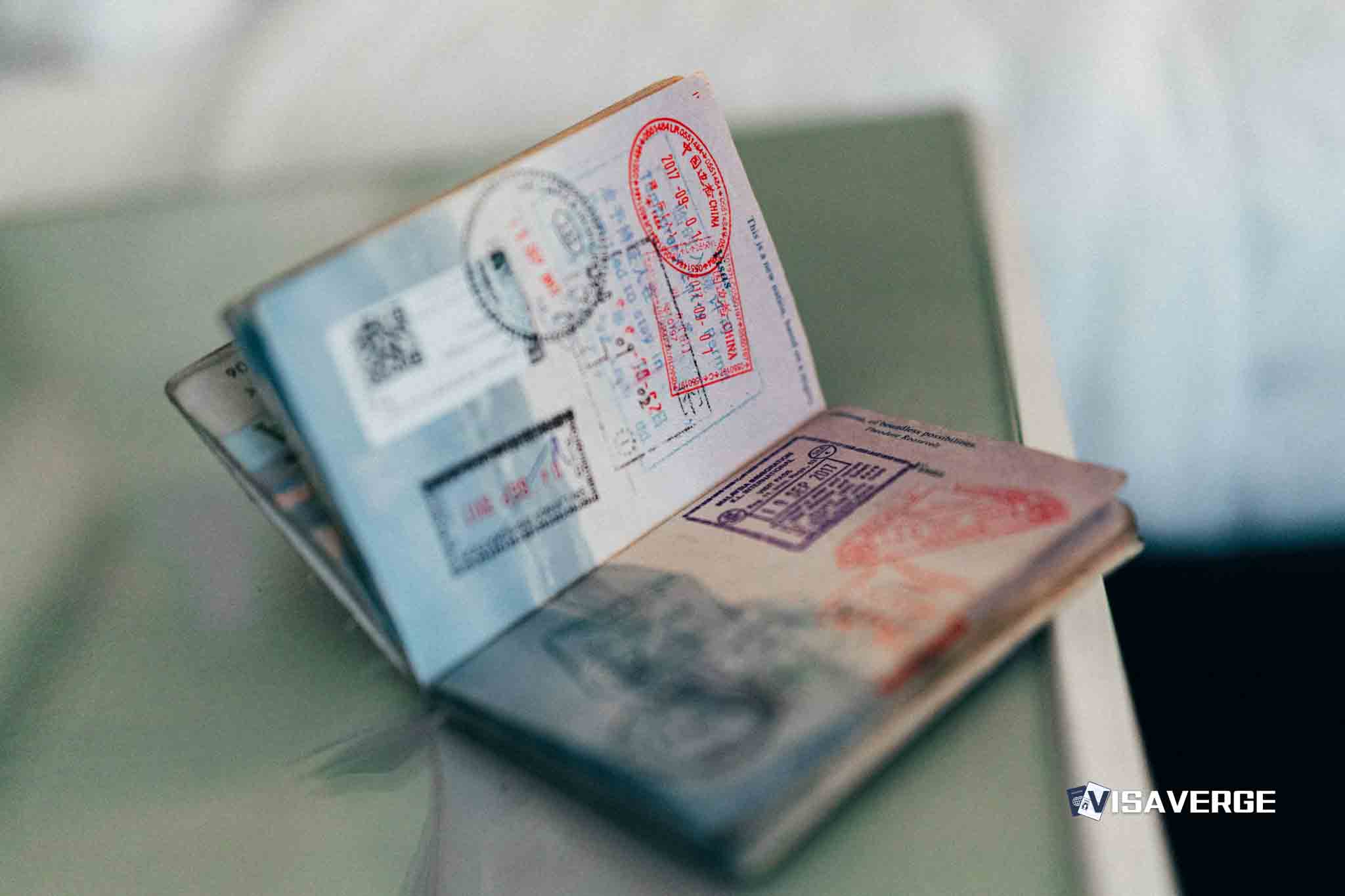






[…] Most foreign visitors must obtain a visa before traveling to Equatorial Guinea — whether for tourism, business, or research. Tourists today typically apply for an e-Visa online (the modern digital entry solution) before flying. (VisaVerge) […]