- SAS flight SK935 to San Francisco returned to Copenhagen after reaching Greenland due to operational decisions.
- Passengers should prioritize airline-led rerouting to maintain strong duty-of-care coverage and simplify future claims.
- Maintain a detailed chronological record of receipts and communications to support potential compensation requests.
(COPENHAGEN) — SAS’s Copenhagen–San Francisco flight SK935 turned back over Greenland and returned to Denmark, and what matters most is what you do next: rebook fast, protect your rights, and keep your paperwork tight so you don’t eat extra costs.
If you were booked on SK935, my quick recommendation is this: stick with SAS for an “earliest possible” reroute first, then consider switching strategies only if the new plan doesn’t work for your schedule. You’ll usually get the strongest duty-of-care coverage that way, and you reduce the risk of paying out of pocket for a last-minute transatlantic ticket.

That said, there are three real paths travelers take after a long-haul turnback. They differ on speed, cost risk, and how clean your compensation claim will be.
Compare your three best options after the SK935 turnback
| Option | Best for | Speed to San Francisco | Upfront cash risk | Miles/points impact | Rights and protections |
|---|---|---|---|---|---|
| 1) Accept SAS reroute (earliest possible) | Most travelers | Often fastest, because SAS can move you across partners | Low | Usually keeps original fare earning logic; partner accrual varies | Strongest “duty of care” position, and cleanest claim trail |
| 2) Ask SAS to reroute on partners you choose (within reason) | People with tight deadlines | Can be fastest if you propose realistic options | Low | May change earning carrier and fare basis | Still airline-handled, so documentation is simpler |
| 3) Refund + book your own replacement | Flexible travelers, bargain hunters | Depends on what’s left for sale | High | You may earn more on a new ticket, or burn points | You must separate refund rights from expense claims carefully |
Competitive context: on a Copenhagen–San Francisco disruption, you’ll typically see rebooking onto Star Alliance options first, like United via an East Coast hub, or Lufthansa/SWISS/Austrian via Frankfurt, Zurich, or Vienna. That’s broadly similar to how other big European network carriers handle long-haul turnbacks.
The big difference is speed of reaccommodation, not the rulebook.
1) What happened: the SK935 turnaround
SK935 was planned as a nonstop transatlantic flight from Copenhagen to San Francisco. Instead, the aircraft reached the Greenland area, then reversed course and returned all the way back to Copenhagen.
A return-to-origin is almost always a safety-first operational call. It can follow a technical indication, an operational limitation, or an onboard issue. It also triggers a cascade of passenger problems fast.
- Missed connections and lost hotel nights can pile up quickly in San Francisco.
- Rebooking queues can stretch for hours during banked departure periods.
- Passenger rights may apply, but only if you document the disruption well.
- Travel documents matter if you end up overnighting in Denmark unexpectedly.
This guide walks through how to read tracking data without jumping to conclusions, and how to choose the best rebooking path. It also covers what to save for refunds and possible compensation.
2) Flight basics and timeline (Copenhagen to San Francisco, then back)
SK935 departed Copenhagen early Saturday, January 24, 2026, on an Airbus A350-900. That’s SAS’s long-haul workhorse on premium routes, built for very long overwater flying with strict checklists for any abnormal indication.
After several hours en route, the flight turned back around the Greenland region and flew back to Copenhagen. A return-to-origin often leads to one of two outcomes on arrival.
- You deplane and wait for a new aircraft and crew. This happens if the original jet needs inspection.
- You’re moved onto other airlines. This happens if SAS can’t get you out quickly.
Passenger-facing realities to plan for right away include baggage handling, hotel and meal vouchers, and communication delays between apps and gate announcements. If you want to get to San Francisco quickly, be ready to accept a one-stop itinerary.
⚠️ Heads Up: Don’t cancel the ticket yourself in the first wave of frustration. Once you cancel, it can complicate rerouting and duty-of-care coverage.
3) Flight path and diversion details: what tracking data can (and can’t) tell you
Flight tracking is great at answering one question: what did the aircraft do? It can show the cruise phase, the approximate turning point near Greenland, and the full return leg to Denmark.
It can also show typical cruise performance, like high altitude and steady speed, before the turnback.
What tracking data cannot do is just as important: it doesn’t prove the cause of the turnback, it doesn’t confirm severity of any issue, and it doesn’t tell you what the crew saw in cockpit indications.
Common operational reasons an airline might return to Copenhagen instead of continuing to San Francisco include:
- Maintenance capability: Copenhagen may have the right parts, tooling, and SAS technicians.
- Passenger handling: reaccommodation is easier at a hub with more flights.
- Crew legality: duty-time rules can make “pressing on” unrealistic.
For travelers, the practical point is simple: a return-to-origin usually means a long delay and a new plan.
4) Cause and official statements: handling uncertainty without speculation
As of today, SAS has not published a detailed public explanation of the cause. That matters because your compensation eligibility can depend on whether the disruption falls under “extraordinary circumstances”.
It’s fine to say “turnback” and “disruption.” It’s not smart to assume a specific fault from social posts or tracker comments.
What can lead to a turnback, without claiming any one happened here, includes technical indications, medical issues, or operational constraints like weather or crew limits.
What to watch for that actually helps you:
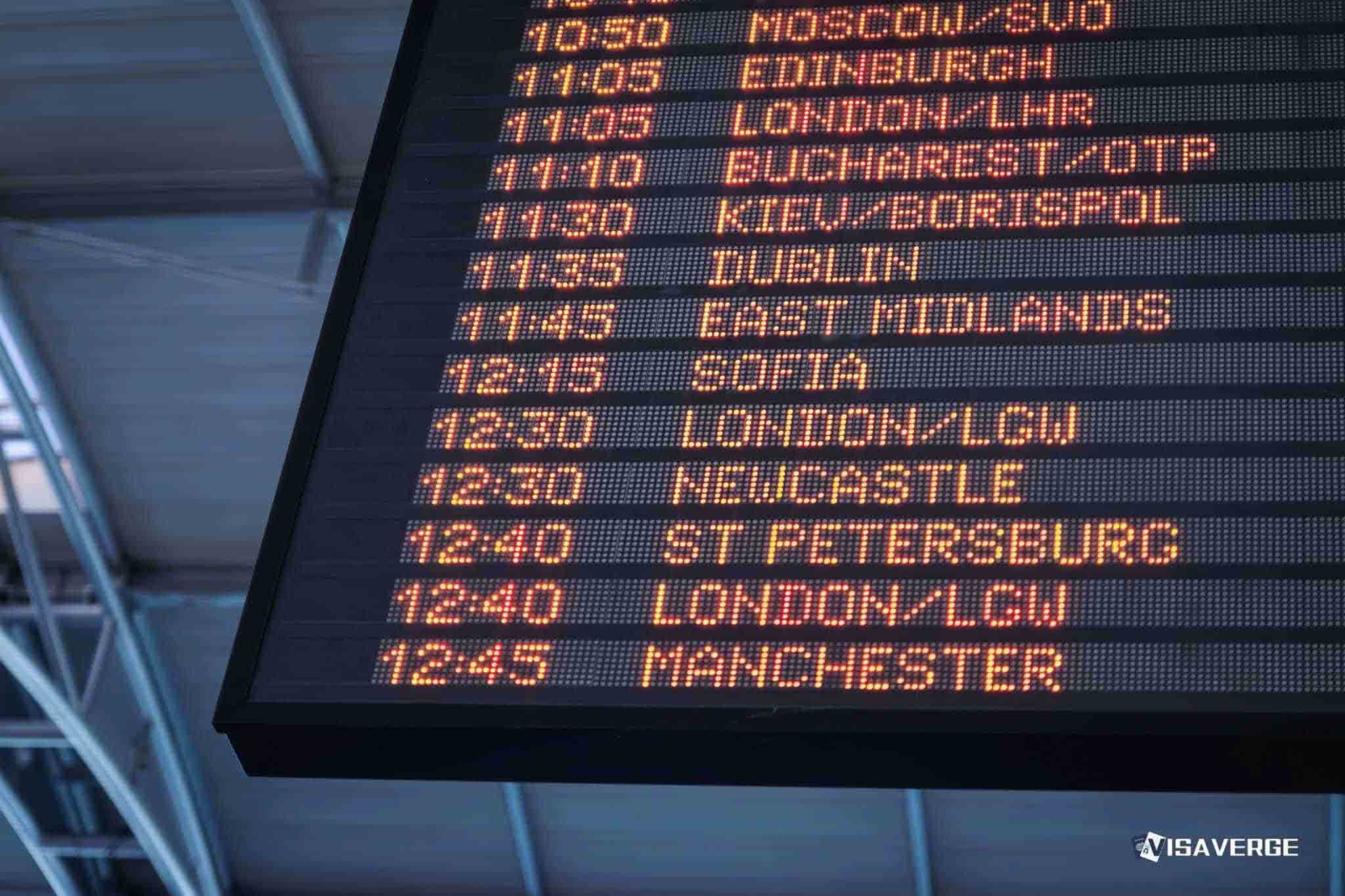
- A rebooking email with new flight numbers and times
- In-app notices showing delay or cancellation status
- Airport desk notes stating what SAS is authorizing for hotels and meals
The closer you stick to written notices, the cleaner your claim file will be later.
5) Rebooking, refunds, and compensation: what passengers may be entitled to
This is a Denmark-originating flight on an EU carrier, departing the EU. That generally puts you in the world of EU-style passenger protections, alongside U.S.-bound realities once you’re trying to reach San Francisco.
Think in three buckets: rerouting or refund, duty of care, and compensation.
Rerouting vs refund: which choice is smartest?
If you need to be in San Francisco quickly, rerouting is usually the right first move. Reroute at the earliest opportunity is the default ask at the airport.
Sometimes you can reroute later at your convenience if you can travel a day or two later. A refund is best if the replacement options are bad, or your trip no longer makes sense.
Where travelers mess up is mixing paths: if you accept a reroute, then buy your own new ticket anyway, you can end up fighting two separate battles.
Duty of care: the practical benefits you should insist on
- Meals and refreshments
- Hotel accommodation when overnighting is required
- Transport between airport and hotel
- Communication, like phone or internet access where relevant
Even when compensation is disputed, duty of care often still applies during the disruption itself. Get voucher details in writing if you can.
Compensation: possible, but it depends
Compensation tends to hinge on two things: how long the delay ends up being at your final destination, and why the disruption happened, including whether it qualifies as extraordinary.
The key point is that compensation is not automatic just because you turned back. You’ll need the final arrival delay on your rebooked itinerary to support a claim.
U.S. DOT expectations can also matter in practice. If you’re rebooked onto a U.S. carrier, policies around meals and hotels can look different. That’s another reason to keep SAS as the handling carrier when possible.
Miles and points: don’t sleep on the earning impact
A disruption can change your accrual in ways that are easy to miss. If SAS reroutes you onto a Star Alliance partner, you may earn based on the partner’s fare class and your EuroBonus status.
If you take a refund and rebook, you might earn more miles on a pricier last-minute fare, but you’re also paying more cash. If you redeem points for a replacement ticket, check whether you’ll still earn miles — award tickets usually do not earn.
If you’re chasing status, keep boarding passes and the rebooking receipt. Post-flight credit requests can take time.
6) Verification and documentation: building a strong record from tracking and receipts
The travelers who get paid back fastest are the ones with a clean file. Aim to build a simple, chronological packet.
How to verify the basics
Use three sources and make them agree: SAS app or website flight history for official status, Copenhagen Airport departure boards for local confirmation, and a reputable tracker like Flightradar24 for the turnback path over Greenland.
Screenshots help, especially if status updates change later.
What evidence matters most
- Your original ticket receipt and fare rules
- The rebooking confirmation with new flight details
- Proof of arrival time in San Francisco on the final itinerary
- Written delay or cancellation notices, if provided
- Receipts for meals, hotels, and transport you paid yourself
If you used points, save the award confirmation and any redeposit messages.
Keep a clean timeline
Write a simple note on your phone with when you learned about the turnback, when you were rebooked and onto what flights, when vouchers were offered or refused, and when you finally arrived in San Francisco. That timeline is gold if you need to escalate beyond frontline customer service.
💡 Pro Tip: If you buy anything during the disruption, pay with one card. One statement is easier to submit than five screenshots.
Choose X if…, Choose Y if…
Choose Option 1 (accept SAS reroute) if you need the lowest-stress path to San Francisco, want the cleanest duty-of-care trail for hotels and meals, or are traveling with family, lots of bags, or tight connection windows.
Choose Option 2 (ask SAS to reroute on specific partners) if you can spot workable one-stop options via major hubs, want to avoid a long layover or an extra overnight in Copenhagen, or care about a specific cabin like premium economy or business.
Choose Option 3 (refund + book your own replacement) if your trip dates are flexible, replacement fares are still reasonable, or you’d rather use points for a one-way and reset your plan.
Schengen and travel requirements: the surprise wrinkle in Copenhagen
If you unexpectedly end up overnighting in Denmark, Schengen entry rules can become real, fast. Denmark is in the Schengen Area, and that can affect you if you planned to stay airside but now need a hotel.
Practical reminders: if you need to enter Denmark, make sure you can. That means passport validity and any required visa or residence permit.
- U.S. travelers can normally enter Schengen visa-free for short stays, within the standard day limits.
- Keep proof of onward travel handy if you’re connecting onward the next day.
- Some airport hotels require you to clear entry, depending on location.
Nuanced final verdict
For most passengers on SK935, the best play is still the simplest: let SAS reroute you first, because it keeps responsibility with the airline and reduces your cash exposure. If the offered reroute is unacceptable, move to a partner reroute request next.
Only shift to a refund-and-rebook plan if the schedule truly doesn’t work, or fares are still sane.
Your to-do list today is straightforward: confirm your final rebooked arrival time into San Francisco, save every receipt from Copenhagen onward, and request written confirmation of your disruption status before you leave the airport.
Live Government Data
State Dept • CBPBusiest Border Crossings
- San Ysidro 100 min
- Tecate 80 min
- Nogales 75 min