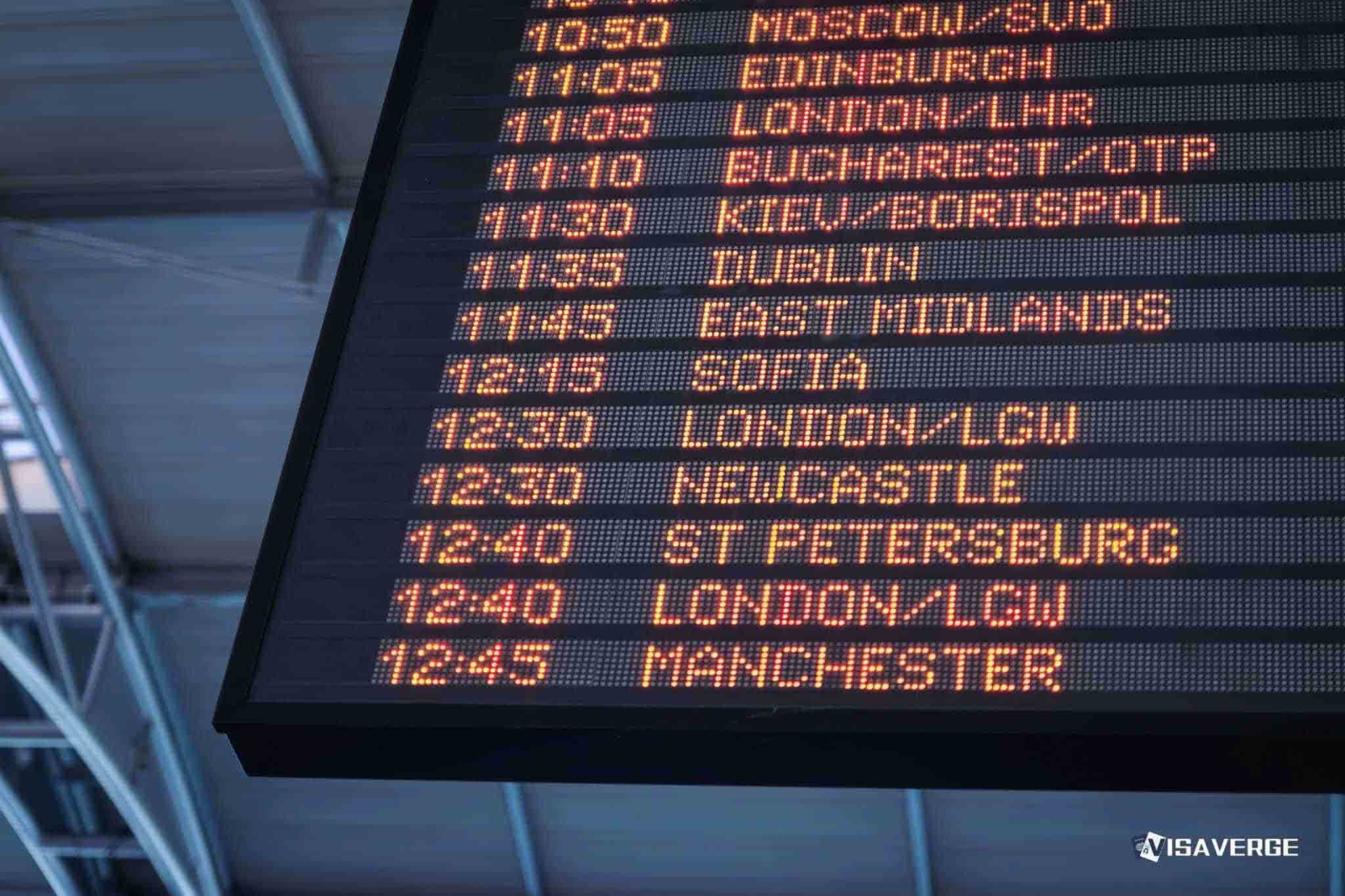
- KLM suspended Tel Aviv flights through late January 2026 citing security and operational feasibility.
- A future restart plan involves daytime-only operations with a technical stop in Paphos, Cyprus.
- Passengers should verify ticket status as flights may appear confirmed despite being operationally canceled.
(TEL AVIV, ISRAEL) — KLM is still not flying to Tel Aviv as of Wednesday, January 28, 2026, and that matters because your ticket may look “confirmed” even while the route stays off the airline’s workable plan.
If you need to travel soon, assume you’ll be rebooked, rerouted, or refunded—and decide now which outcome you actually want.
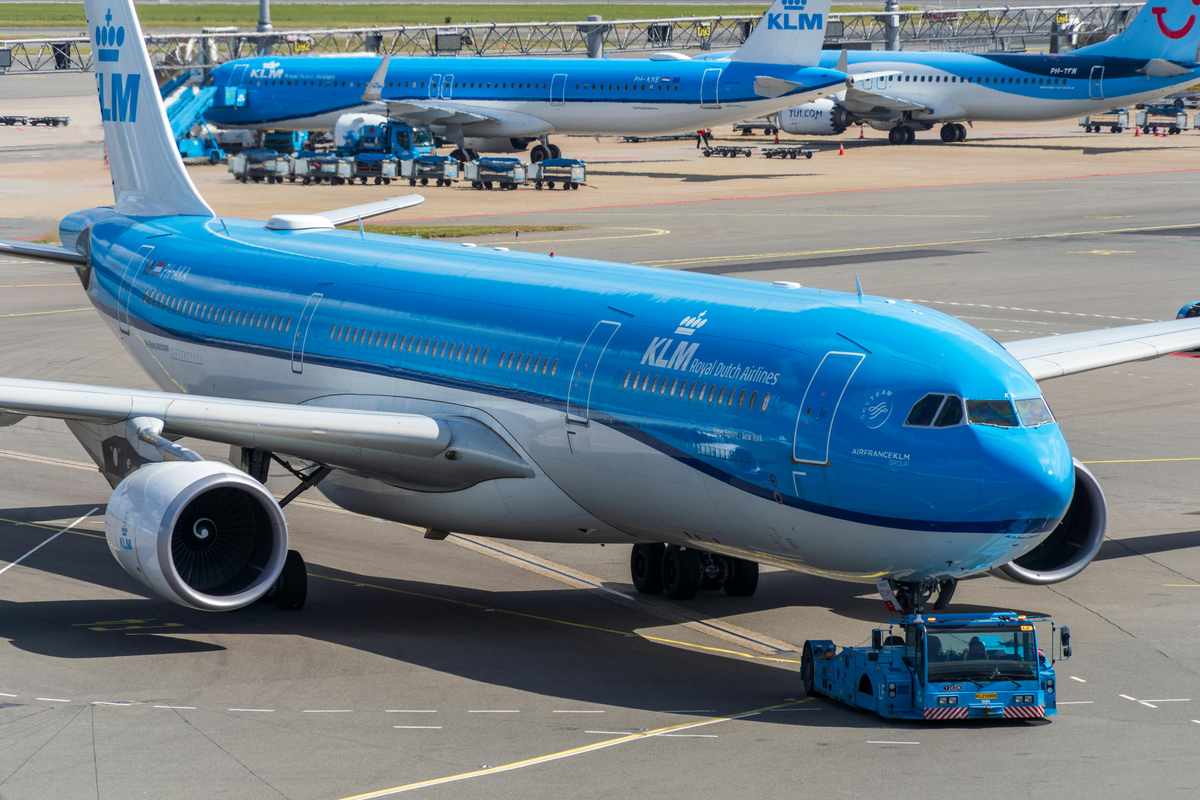
This is an unusual “review,” but it’s the one travelers need right now. I’m looking at KLM’s Tel Aviv situation the same way I’d review a product launch: what you can expect operationally, how the onboard experience typically stacks up when flights do operate, and what the reroute and compensation rules mean for your wallet and your miles.
1) KLM flight status to Tel Aviv as of Jan 28, 2026
KLM’s position is simple: it has decided not to resume Tel Aviv “for the time being” as of Jan 28, 2026. In practical terms, “not resuming” usually shows up in three ways, and you should check which one applies to your booking.
- Schedule removals: Your flight disappears from KLM’s timetable entirely.
- Day-of cancellations: The flight remains listed, then cancels close-in.
- Proactive re-accommodation: KLM moves you to another date, route, or partner.
If you have a KLM booking, don’t just look for a ticket number. Look for an unchanged flight number and date in “My Trip,” plus a current e-ticket status that still shows ticketed.
Airlines almost always cite two overlapping reasons in situations like this: the security situation and operational feasibility. That “feasibility” phrase matters more than most travelers realize.
Here’s what it typically covers on a route like Amsterdam–Tel Aviv:
- Crew duty limits: Longer routings and added buffers can exceed legal work hours.
- Insurance and risk approvals: Underwriters and internal risk teams set conditions.
- Airport constraints: Gate availability, handling staff, and time-on-ground limits.
- Overflight and route planning: Avoiding specific airspace can add time and fuel.
Even if you feel comfortable traveling, the airline still has to run a legal, insurable operation that fits a fleet plan. That’s why a flight can stay “on sale” in some channels, while the airline keeps pulling back the actual operation.
2) Recent regional operations and safety considerations
KLM’s late-January pattern tells you a lot about how network carriers think.
The airline halted flights to multiple points from Jan 23–25, including Tel Aviv, plus services touching the Gulf region. It also avoided the airspace of Iran, Iraq, Israel, and other countries in the area as a precaution.
That kind of airspace avoidance can turn a “normal” four-to-five-hour sector into something much longer and harder to crew.
KLM then briefly resumed flights to Dammam and Riyadh starting Jan 27 after updated safety analysis. The logic is straightforward: distance and routing options can change the risk profile, even within the same region.
Why Tel Aviv can remain suspended even when Dammam and Riyadh return:
- Different ground-risk assumptions: Time on the ground can drive decisions.
- Different crew accommodation plan: Overnight stays can be a hard “no.”
- Different airspace geometry: Safe routings may be less flexible.
- Different cancellation exposure: Repeated disruptions can snowball.
KLM has also said it is exploring options to resume Dubai, which is a useful tell. Dubai’s role in airline networks is as much about connections and fleet rotations as demand.
If a carrier is “reviewing” Dubai, it may be juggling aircraft availability, reroute fuel burn, and partner interline options.
⚠️ Heads Up: If your itinerary connects beyond Amsterdam, your real risk is the domino effect. One cancellation can also wipe out onward connections and hotel plans.
What this means for points and status
If you’re a Flying Blue member, the key question is whether you’ll still earn XP and Miles on the replacement itinerary. That depends on what KLM rebooks you onto.
- Rebooked onto KLM/Air France ticketed flights: You usually earn as flown.
- Rebooked onto a partner with a different fare bucket: Earning can drop.
- Refunded and you rebook elsewhere: You control fare class, but you pay again.
If you are XP-chasing, protect yourself by asking KLM to preserve the original cabin where possible. That can matter for both XP and comfort.
3) Proposed Tel Aviv service model when resumed (daytime flying + technical stop)
KLM has outlined a very specific operating concept for when it does restart Tel Aviv: daytime flying in both directions, plus a technical stop in Paphos (Cyprus) on the return.
| Detail | Information |
|---|---|
| Outbound | Amsterdam 08:15 → Tel Aviv 13:45 |
| Return | Tel Aviv 15:20 → (technical stop Paphos) → Amsterdam |
Daytime flying is not just optics. It reduces exposure to late-night operational issues, and it can reduce the chance of crews getting “stuck” if conditions change quickly.
What a technical stop usually means for you
A technical stop is not the same as a connection, but it can feel like one. Expect some combination of refueling, a crew change, and extra time buffers for paperwork and ground handling.
- A pause for refueling
- A crew change
- Extra time buffers for paperwork and ground handling
Whether you stay onboard or deplane depends on local procedures and timing. Even when you remain onboard, the stop often breaks the rhythm of the flight and can mess with sleep plans.
Connections in Amsterdam: where the plan can pinch
- Minimum connection time (MCT): Don’t book tight.
- Late bags: Extra ground events can raise misconnect risk.
- Protected connections: One ticket is safer than separate tickets.
If you’re traveling onward into the Schengen Area, remember that Amsterdam often becomes your passport-control pinch point. If you misconnect, you may also lose prebooked trains, hotels, or a low-cost flight booked separately.
4) Comparative moves by other carriers (what it signals for schedules)
KLM is not alone in “daytime-only” thinking. Lufthansa Group has extended daytime-only flying to Tel Aviv through Jan 31, 2026.
In practice, daytime-only policies tend to improve crew planning. They can also reduce the odds of an aircraft and crew being out of position overnight.
ITA Airways has limited night and early-morning flights until month-end. That’s another signal that crew constraints, rest rules, and ground-time risk are driving decisions.
Air France has shown a different pattern, with a short suspension and resumption. One-day cancellations can signal many things, including operational testing, shifting airspace guidance, or a conservative approach until a specific review cycle clears.
How to compare options without trusting the timetable
Published schedules are marketing. Operations are reality. If you need to travel soon, compare airlines by several operational factors.
- Re-accommodation track record: Are they protecting passengers quickly?
- Routing resilience: More daily frequencies can mean easier rebooking.
- Aircraft swaps: Widebody-to-narrowbody swaps can cut seats fast.
- Partner options: Alliances matter when flights go sideways.
Competitive context matters here. Legacy carriers with strong partner networks can sometimes reroute you better than point-to-point operators, even if the initial cancellation is equally painful.
5) Passenger options during cancellations: rebooking, refund, and vouchers
When KLM cancels, you generally have three paths: accept rebooking, demand a refund, or take a voucher. Here’s how each one plays out in real life.
Rebooking: best when the trip still matters
“Rebooked” often means KLM automatically protects you onto a new itinerary. That could be the same route on a different day, different times the same day, a reroute via another city, or a partner airline, if agreements allow.
Rebooking is usually the right call if your travel is time-sensitive and you can tolerate a routing change. It’s also the easiest way to keep your trip on one ticket, which protects you if another segment misconnects.
Refunds: best when the trip no longer works
A refund is usually preferable when you no longer need the trip, the new itinerary adds unacceptable time, you’ve been hit by repeated cancellations, or the reroute breaks separate hotel or tour plans.
Refunds can take time to post, especially if an agency or third-party site issued the ticket.
Vouchers: tempting, but read the fine print
Vouchers can be useful if you’re sure you’ll fly KLM again. They can also be restrictive. Common voucher pitfalls include short validity windows, residual value rules, fare-type restrictions, and name-change limits.
What to ask customer service for
- Written notice of cancellation
- Your new itinerary receipt, if rebooked
- Fare rules and ticket conditions
- Any itinerary change notice showing timing changes
Compensation and EU rules: the short version
Because KLM is an EU carrier, EU261 often applies when you depart the EU, including Amsterdam. The big catch is “extraordinary circumstances,” which can remove cash compensation even when you still get care and rerouting.
| Issue | What you can usually claim |
|---|---|
| Cancellation | Rerouting or refund is typically due |
| Long delay after reroute | Care obligations may apply |
| “Extraordinary circumstances” | Cash compensation may not be owed |
| Documentation | Keep receipts and written notices |
If you’re connecting to or from the UAE, also keep an eye on whether your itinerary is governed by EU rules or local consumer rules, since the departure point often drives your rights.
6) Timeline snapshot and key dates (what to watch next)
The late-January sequence matters because it shows how fast decisions are changing:
- Jan 23–25: Broad cancellations across multiple regional routes.
- Jan 27: Partial return for some routes, including Saudi points like Dammam and Riyadh.
- Jan 28: Tel Aviv remains suspended, with Dubai still under review.
- Through month-end: Other carriers reference Jan 31 limits, which matters for rostering.
End-of-month references are rarely random. Airlines build crew rosters and aircraft rotations in blocks. Month-end is also a natural “review checkpoint” for restrictions like daytime-only operations.
Signals that often precede a near-term operational change include a flight number reappearing consistently in schedules, a travel waiver being published or expanded, waves of re-accommodation emails, and daytime-only restrictions stated clearly and repeatedly.
The onboard “review” angle: what you’ll likely get when KLM does operate
When KLM does run Tel Aviv again, the flight experience will probably feel like a standard KLM short-haul operation, with one huge caveat: irregular operations will shape everything.
Seat and comfort
| Item | What you’ll typically see |
|---|---|
| Seat pitch | About 30–31 inches |
| Seat width | About 17 inches |
| Power | USB or in-seat power on many jets, but not guaranteed |
If your return includes a technical stop, aisle access matters more. Pick an aisle if you value getting up without disturbing neighbors.
Business class is usually the European-style blocked middle seat, not a U.S.-style recliner upgrade. You’re paying for space, service, and flexibility more than a better chair.
Food and service
KLM’s crew service is usually friendly and efficient. On medium-length sectors, service can be compressed by turbulence, delays, or ground holds.
In economy, expect buy-on-board on many regional flights, plus water and basics. In business class, expect a more complete tray service, but it can be simplified during disruptions.
Entertainment and connectivity
On narrowbodies, KLM commonly relies on streaming entertainment to your device. Wi-Fi availability varies by aircraft, and disruptions can mean you’re on a last-minute swap.
- Bring a charged phone or tablet
- Headphones that work without a seatback screen
- A battery pack for backup power
Amenities
This is not a lie-flat, amenity-kit route. Your “amenity” win is predictability. Right now, that’s exactly what’s in short supply.
Who should book this?
Book (or keep) KLM for Tel Aviv if:
- You want a single-ticket itinerary via Amsterdam for Schengen connections.
- You value alliance-style rebooking options when plans change.
- You can travel with flexible dates and accept daytime-only patterns.
Avoid booking KLM for Tel Aviv right now if:
- You have a fixed event date and cannot arrive late.
- You booked separate tickets onward, especially low-cost carriers.
- You’re trying to lock in a specific aircraft or a tight connection.
If you must travel soon, give yourself at least one buffer day on each end, and avoid last flights of the day. If your itinerary is still in limbo, decide by Jan 31 whether you’ll accept a reroute or push for a refund, since several carriers’ restrictions are explicitly tied to month-end.
Live Government Data
State Dept • CBPBusiest Border Crossings
- Otay Mesa 150 min
- San Ysidro 135 min
- Nogales 120 min