January 3, 2026
- Updated title to ‘Afghanistan Visa Guide 2026’ and framed content for early 2026 context
- Added clear statement that no e-visa or visa-on-arrival exists in early 2026
- Included Letter of Invitation (LOI) requirement and processing variability (same-day to up to 10 business days)
- Added specific processing timelines and embassy locations offering express issuance (Dubai, Islamabad, Peshawar)
- Added concrete fees and example cost (expect $200+; cited $209 official visa example via VisaHQ)
- Expanded step-by-step five-stage application process with document lists and travel timing recommendations (apply ~90 days before travel)
(AFGHANISTAN) Afghanistan still requires a visa for every foreign national, and there is no e-visa and no visa-on-arrival option in early 2026. Under the Taliban’s rule since 2021, the process stays strict, in-person, and uneven, so small paperwork mistakes can end a trip at the embassy window or the border.
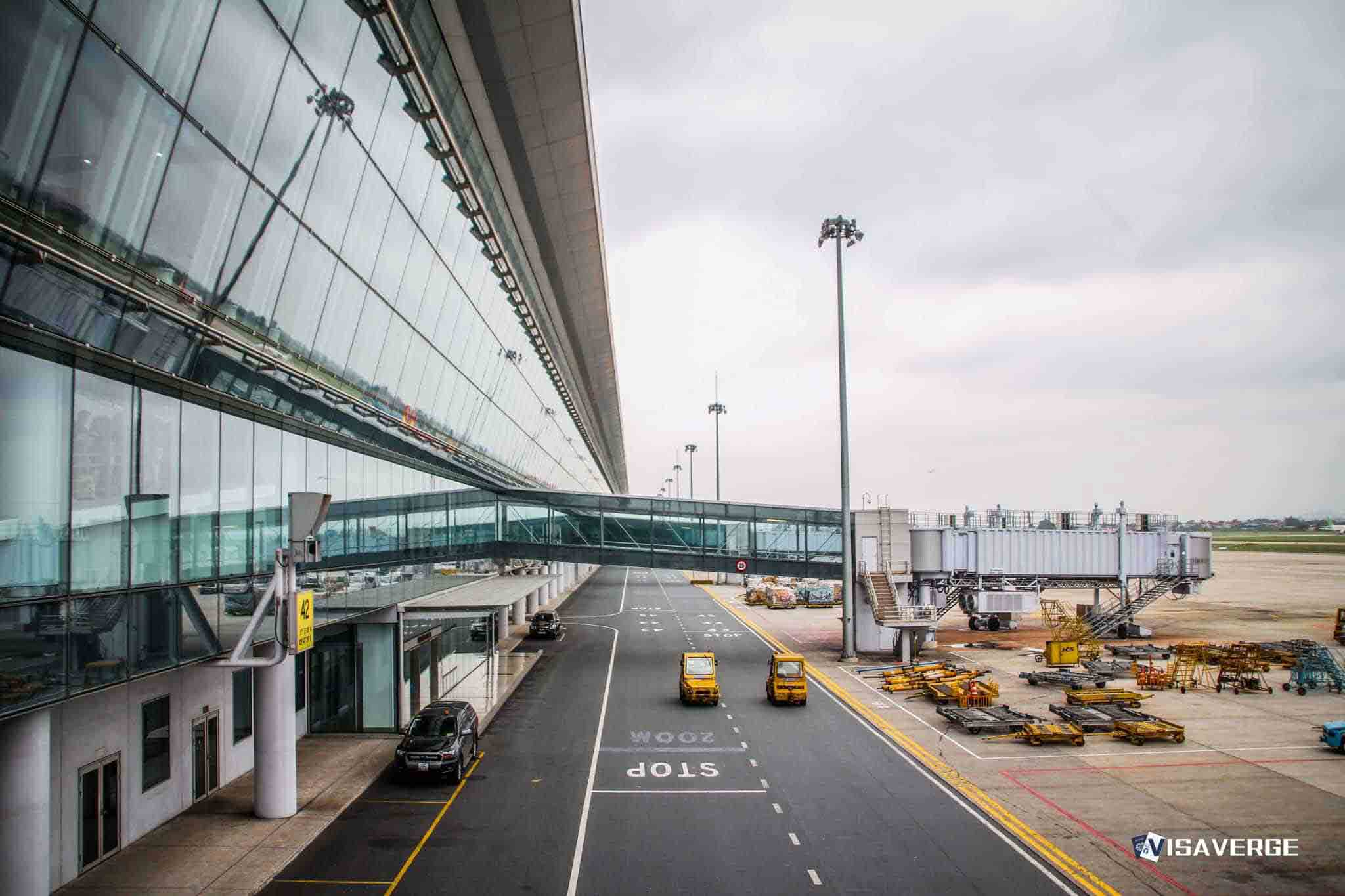
This matters most for tourists, business travelers, aid and contract workers, and families trying to plan a fixed timeline. The main pressure points are the Letter of Invitation (LOI) requirement, limited embassy choices, and processing times that range from same-day issuance in a few places to up to 10 business days elsewhere.
Taliban-era visa system overview (early 2026)
Afghanistan’s visa regime is built around physical embassies and consulates that the de facto authorities in Kabul accept. A visa issued by a mission that is not recognized by the current authorities can create problems later, including refusal at the border.
There is also no reliable “show up at the border and pay” path. Travelers still report occasional border issuance after 2021, but it is inconsistent and risky. If you need predictable entry, use an embassy process.
| India | China | ROW | |
|---|---|---|---|
| EB-1 | Feb 01, 2023 | Aug 01, 2023 ▲31d | Current |
| EB-2 | Nov 01, 2013 | Oct 01, 2021 | Apr 01, 2025 ▲90d |
| EB-3 | Jan 22, 2014 ▲21d | Jan 22, 2022 ▲14d | Jun 15, 2024 ▲31d |
| F-1 | Jan 22, 2021 ▲366d | Jan 22, 2021 ▲366d | Jan 22, 2021 ▲366d |
| F-2A | Oct 22, 2026 ▲30d | Oct 22, 2026 ▲30d | Oct 22, 2026 ▲30d |
VisaVerge.com reports that the most dependable strategy is to treat the Afghan visa like a high-scrutiny consular case: plan early, document every claim, and keep your story consistent across forms, letters, and interviews.
Choosing the correct visa category
Afghanistan issues visas based on purpose, and officials look closely for mismatches between what you say and what your documents show. If your reason for travel sounds casual but your letters mention work, expect delays or rejection.
Common categories described in recent guidance include:
| Visa category | Typical features and requirements |
|---|---|
| Tourist visa | Usually single-entry, typically 30 days from entry, commonly issued with a 3-month window to enter after issuance. Typically requires an LOI from a local host or tour operator. |
| Business visa | For meetings, conferences, or investment activity. Multiple entries often require prior approval from Kabul’s Foreign Ministry. |
| Work visa | Tied to employment and sponsorship. Requires an Afghan sponsor letter on letterhead, evidence of Kabul approval, and copies of prior visas when available. |
| Government contractor visa | Similar to work visa with extra formality: notarization and a detailed employer letter. |
| Official or diplomatic visa | For government officials and diplomats; backed by a formal government letter. One cited example is $209 for an official visa through VisaHQ, with processing described around 10 business days. |
| Student visa | For study at Afghan institutions, supported by proof of acceptance. |
“Visit” visas for friends or family are less clearly labeled in practice and are often handled through an LOI under a tourist or business-type application. That makes the LOI especially important.
Embassy strategy and typical processing times
Because Afghanistan has no centralized online portal, your choice of where to apply shapes your timeline.
- Locations where same-day express issuance is sometimes available: Dubai, Islamabad, Peshawar.
- Other viable but slower locations: Doha, Istanbul, Tehran, Beijing — processing can run up to 10 business days.
For a tourist visa, plan to apply about 90 days before travel. That buffer protects you if an embassy asks for corrections, reprints, or extra stamps/notarizations.
Fees vary by location and visa type; travelers should expect $200+ USD in many cases, with exact amounts depending on visa type and duration.
The five-stage Afghanistan visa process (actions and timeframes)
Stage 1: Passport check and photo prep (same day)
- Bring a passport valid for at least six months beyond entry and with at least two blank pages.
- Prepare a recent passport photo on a white background, taken within the last six months.
- Review passport stamps. Stamps from Israel, Egypt, or Jordan that show travel connections can trigger denial or questioning by Taliban authorities at entry.
Stage 2: Lock down your LOI and sponsor letters (often 3–21 days)
- The LOI is the principal gatekeeper for most applicants. Tour operators or local hosts typically issue it after booking.
- For business or work travel, include employer and sponsor letters on official letterhead, signed by a senior manager, and explicitly matching the visa category requested.
- Vague letters such as “general support” often fail when your form lists a specific job or site.
- Trips to areas like the Wakhan Corridor may make the LOI part of permit planning as well.
Stage 3: Complete the application form and notarize when required (1–3 days)
- Fill out the Afghanistan visa application form exactly as the embassy requires.
- Notarization is often required for work and contractor cases—schedule this early.
- Ensure your form answers are consistent with all other documents (LOI, employer letter, etc.). Contradictions can cause refusals.
Stage 4: Build the supporting document packet (1–7 days)
A clean packet reduces back-and-forth. Typical documents include:
- Original passport (validity and blank-page rules)
- Photo meeting size/background rules
- Completed form, signed, and notarized when required
- LOI or invitation letter from an Afghan host or sponsor
- Employer letter for business, work, or contractor travel
- Copies of prior visas when requested for work or official travel
- Kabul approval evidence for multiple entry or certain work cases
- Proof of accommodation and onward travel for tourist files
- Acceptance proof for student cases
Important: Drones are strictly prohibited. Possession carries severe penalties.
Stage 5: Submit in person and plan entry logistics (same day to 10 business days)
- Submit in person at a Taliban-recognized embassy or consulate.
- Facilitators (e.g., VisaHQ) can help with forms and routing, but the issuing mission makes the decision.
- Expect same-day outcomes only where express processing exists and your file is pristine. Otherwise, plan for up to 10 business days.
- When the visa is issued, check the dates and entry allowances immediately. Tourist visas are often 30 days from entry, with an entry window up to three months from issuance.
Border procedures and in-country movement
A visa sticker or approval does not end scrutiny. Border officials can still question your host, itinerary, and purpose.
- Keep printed copies of your LOI and hotel details even if emailed to the embassy.
- Many provinces require additional travel permits, often obtained in Kabul and updated locally.
- Travelers commonly use a fixer or agent to handle local permits and checkpoint changes because rules can change rapidly.
Safety, legal limits, and official warnings
Security conditions are a central risk and shape insurance, routing, and evacuation options. The U.S. State Department maintains a Level 4: Do Not Travel warning for Afghanistan, with details on risks and consular limits available at: Afghanistan travel guidance and security conditions.
- Health: Some travelers need proof of vaccinations (e.g., yellow fever if arriving from an endemic area).
- Cultural/legal enforcement: Dress, photography, and daily behavior are strictly policed under the Taliban. Women travelers face tighter rules in many settings. Alcohol and certain media may be banned or punished.
Warning: Security and legal conditions can change quickly. Consular assistance is limited in Afghanistan, and evacuation options are constrained under current advisories.
Planning tactics to reduce refusals and delays
- Use a single, consistent purpose across all forms and letters. Documents that contradict each other are the fastest route to refusal.
- Build time buffers around embassy holidays, regional closures, and document reprints.
- For tourists: apply around 90 days early and keep flights refundable until the visa is in your passport.
- For business/work: strong sponsor letters and required Kabul approvals are essential, particularly for multiple entries or longer validity.
Key takeaways
- Afghanistan requires a visa for every foreign national with no e-visa or visa-on-arrival in early 2026.
- The LOI and consistent documentation are critical; mismatches often cause rejections.
- Processing times vary widely by issuing mission—same-day in some locations, up to 10 business days elsewhere.
- Plan early (about 90 days for tourists), expect $200+ USD in many cases, and prepare for tight scrutiny at borders and inside the country.
Navigating Afghanistan’s 2026 visa requirements requires physical applications at recognized embassies, as digital options do not exist. Success depends on a valid Letter of Invitation and consistent documentation across all forms. Costs often exceed $200, with processing times varying by city. Travelers face a Level 4 travel warning and must comply with strict local laws regarding dress, photography, and prohibited items like drones.