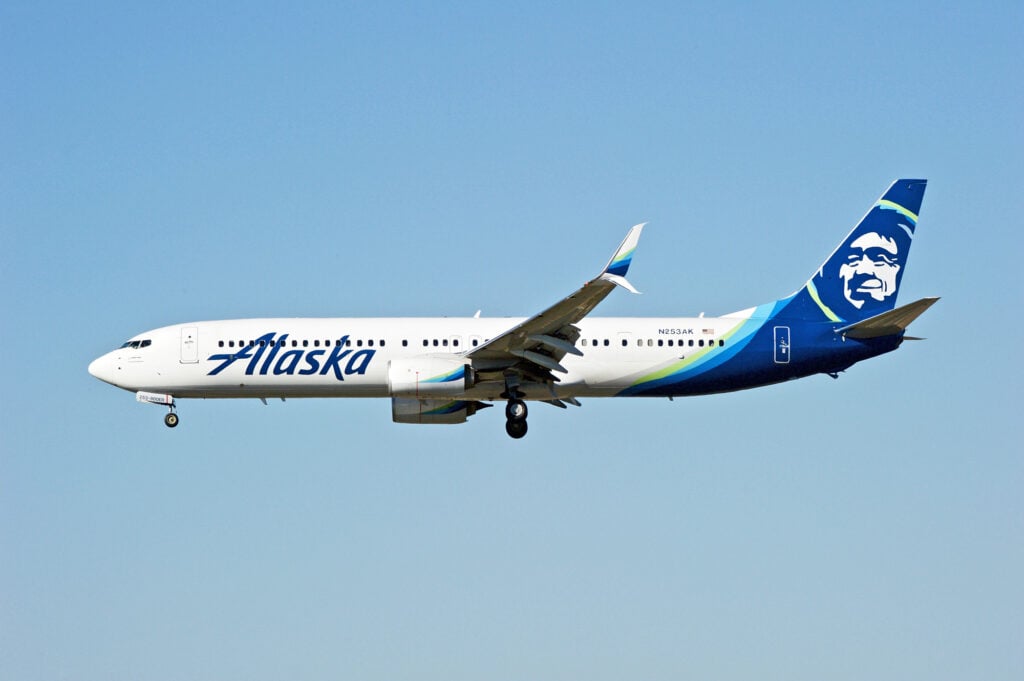
(UNITED STATES) The Federal Aviation Administration issued an FAA Emergency Order late Thursday setting mandatory flight reductions at 40 of the nation’s busiest airports starting Friday, November 7, 2025, as the government shutdown stretches into a sixth week. The directive requires airlines to trim scheduled domestic operations during the day by at least 4% by 6:00 a.m. EST Friday, ramping to 6% on November 11, 8% on November 13, and a full 10% from November 14 onward. The cuts apply between 6:00 a.m. and 10:00 p.m. local time at each affected airport.
The agency said the move is needed to ease pressure on the National Airspace System (NAS) as air traffic controllers continue to work without pay.
Reason for the Order and FAA Statement
The FAA cited “increased stress on the NAS in aviation safety data, particularly at 40 high traffic airports,” and referenced reports of fatigue and rising safety risk among controllers who have not been paid since October 3.
- Officials described the step as “unprecedented” but said the timing and scope are driven by safety, not politics.
- The FAA emphasized: “Safety must come first — not politics — when managing America’s airspace.”
- The reduction plan will remain in place until it is canceled and may be adjusted if airlines concentrate cuts in ways that harm certain communities or regional routes.
Airports Affected and Implementation
The airports targeted are listed as “High Impact Airports” in Appendix A of the order—a category that typically includes major hubs in New York, Chicago, Atlanta, and Los Angeles. While the full list appears in the official document, the scope signals a nationwide effect on large and mid-size markets.
Airlines were told to start trimming schedules immediately to meet the 10% threshold by November 14, leaving little room to reshuffle fleets and crews without disrupting passengers. The FAA warned it may direct further cancellations if it sees uneven implementation or outsized harm in a particular region.
Timeline of Reductions (Fixed Milestones)
The FAA tied the schedule to fixed milestones to give carriers a clear compliance path:
- 4% reduction — by 6:00 a.m. EST, November 7, 2025
- 6% reduction — by November 11, 2025
- 8% reduction — by November 13, 2025
- 10% reduction — from November 14, 2025 onward
The timeline forces last-minute changes that will ripple through airline networks and into holiday travel plans.
Operational and Passenger Impacts
Passengers should expect:
- More cancellations
- Longer lines
- Fewer rebooking choices at High Impact Airports, especially during morning and evening banks
Airlines often protect long-haul and hub-to-hub links first, shifting cuts onto shorter feeder flights. That pattern risks isolating some smaller cities.
- The FAA acknowledged the concern and said it can “direct further cancellations or modify reductions” if certain communities are disproportionately affected.
- Analysis by VisaVerge.com shows past traffic caps at large hubs often produced uneven pain, with regional flyers facing higher cancellation rates than mainline long-haul customers.
Airport operators warned of crowding as passengers are pushed into fewer flights and tighter time bands.
“We’ll work with the carriers and the FAA to smooth operations,” said one major hub official, “but we have to be honest — there will be longer waits and more missed connections until this ends.”
Travel agents expect rebooking windows to stretch several days at the busiest airports as aircraft and crews end up out of position.
Effects on Specific Groups
- Families, students returning to campuses, medical patients, and workers on tight timelines face increased risk of delay.
- Immigrants traveling domestically for visa medical exams, naturalization ceremonies, or USCIS interviews may see reduced options, higher last-minute fares, and longer connection times.
- Advocates urge travelers to:
- Build extra time into itineraries
- Watch for airline waivers
- Keep receipts for possible out-of-pocket costs tied to same-day changes or overnight stays
General Aviation and Commercial Space Operations
The order also affects non-airline operations at selected fields:
- Non-airline traffic reductions up to 10% are allowed at airports including Teterboro (TEB), Houston Hobby (HOU), and Dallas Love Field (DAL).
- Business aviation groups said they will try to shift schedules into off-peak windows where possible, but crews face limited flexibility due to weather and maintenance windows.
Commercial space launches face new limits beginning November 10:
- Prohibited during peak passenger hours
- Allowed only between 10:00 p.m. and 6:00 a.m. local time
- This aims to reduce temporary airspace closures that force reroutes
Penalties and Compliance
Penalties for failing to comply are significant:
- Large carriers: civil fines up to $75,000 per flight above the cap
- Small businesses: fines of $16,630
The FAA will monitor schedules and actual operations and may require carriers to file updated plans.
- Questions directed to: Al Meilus, Slot Administration and Capacity Analysis, FAA ATO System Operations Services
- Phone: (202) 267-2822
- Email: [email protected]
For the full list of airports and details, see the FAA’s official order: https://www.faa.gov
International Connections and Night Operations
The Emergency Order does not directly change international arrivals or departures, but it reduces domestic feed to and from international gateways located among the High Impact Airports.
- Some international passengers may miss onward domestic connections.
- Inbound crews may be delayed repositioning for outbound flights.
- Carriers may respond by:
- Swapping aircraft types
- Consolidating frequencies
- Moving flights outside the 6:00 a.m. to 10:00 p.m. window where feasible
Note: Operations outside the capped window are not limited by this order, though local curfews and noise rules may still apply.
Workforce, Safety, and Operational Notes
- Controllers have staffed towers and approach facilities without pay for more than five weeks; union leaders warned of exhaustion spreading across the workforce.
- Managers have relied on required rest periods and duty limits to keep crews safe, reducing available staffing further.
- A senior Midwest controller (anonymous) said colleagues are “stretched thin” and “doing everything we can to keep planes moving safely.” They added the caps “give us a little breathing room” by reducing push periods that overwhelm sectors already short of certified controllers.
Duration, Expectations, and Guidance for Travelers
- The order has no set end date; industry leaders expect restrictions to be lifted quickly once controllers receive back pay and staffing stabilizes.
- The FAA emphasized steady, transparent implementation and urged carriers to share changes promptly.
Travelers are encouraged to:
- Check flight status before heading to the airport
- Monitor airline communications for waivers and rebooking policies
- Allow extra time for connections and potential disruptions
The FAA said the Emergency Order issued November 6, 2025 governs the schedule and can be updated as conditions change.
This Article in a Nutshell
On November 6, 2025, the FAA issued an Emergency Order forcing airlines to cut domestic flights at 40 High Impact Airports to ease strain on the National Airspace System amid an unpaid controllers’ workforce. Reductions start at 4% on November 7 and escalate to 10% from November 14, applied between 6:00 a.m. and 10:00 p.m. local time. The order may cause cancellations, longer lines, and limited rebooking options, and carries fines up to $75,000 per flight for large carriers.