- FAA and DOT will replace the 53-year ban on civil supersonic overland flight with a noise-based standard.
- Aircraft may fly supersonic if ground-level boom stays at or below 0.11 pounds per square foot.
- The FAA targets final rules by mid-2027, with commercial service expected by 2030.
(UNITED STATES) — The Federal Aviation Administration and the U.S. Department of Transportation announced on June 30, 2026 that the 53-year ban on civil supersonic flight over U.S. land will be replaced by a noise-based certification standard. The prohibition, in place since 1973, grounded commercial supersonic travel over American soil for over half a century. Under the new framework, speed is no longer the regulated variable. Noise is.
Supersonic flight means traveling faster than the speed of sound, approximately Mach 1, or about 767 miles per hour at sea level. Civil aircraft have been barred from exceeding that threshold over land since the early 1970s, when sonic booms from military jets rattled windows and drew widespread public complaints. The new policy replaces that blanket restriction with a measurable performance standard.
Free toolB1/B2 Tourist Visa Stay Calculator online
Transportation Secretary Sean P. Duffy framed the announcement as both a technological and economic milestone. “Restoring supersonic flight over land isn’t just about speed, it’s about unleashing American innovation and ushering in a Golden Age of Travel,” Duffy said. “Thanks to President Trump’s leadership, we are working at lightning speed to safely enable the next quantum leap in aviation technology and deliver an exciting new way to fly to the American flying public.”
FAA Administrator Bryan Bedford pointed to engineering advances that made the regulatory shift possible. “Advances in aerospace engineering, materials science, noise reduction, and new operational concepts will eliminate the old sonic boom,” Bedford said. “This means we can ultimately repeal the ban from the 1970s on supersonic flight over U.S. territory while minimizing noise impacts to residents in communities along the route and near airports.”
Michael Kratsios, Director of the White House Office of Science and Technology Policy, tied the rulemaking to broader administration goals. “For too long, outdated rules held back our engineers and manufacturers,” Kratsios said. “Under President Trump’s leadership, we are clearing the runway for supersonic flight and ensuring the future of aviation is invented and built in America.”
The rulemaking implements Executive Order 14304, “Leading the World in Supersonic Flight,” signed by President Trump in June 2025. That order directed federal agencies to develop a regulatory pathway for overland supersonic operations. The FAA’s Notice of Proposed Rulemaking, titled “Enabling Supersonic Overland Flight” and assigned Docket FAA-2026-6935, is the first concrete step.
At the center of the new standard is a specific number: 0.11 pounds per square foot. That figure represents the maximum sonic boom overpressure allowed at ground level. If an aircraft produces a boom at or below that threshold, it can fly supersonic over land. If it exceeds it, it cannot. The standard shifts the regulatory question from “how fast are you going?” to “how loud are you when you get there?”
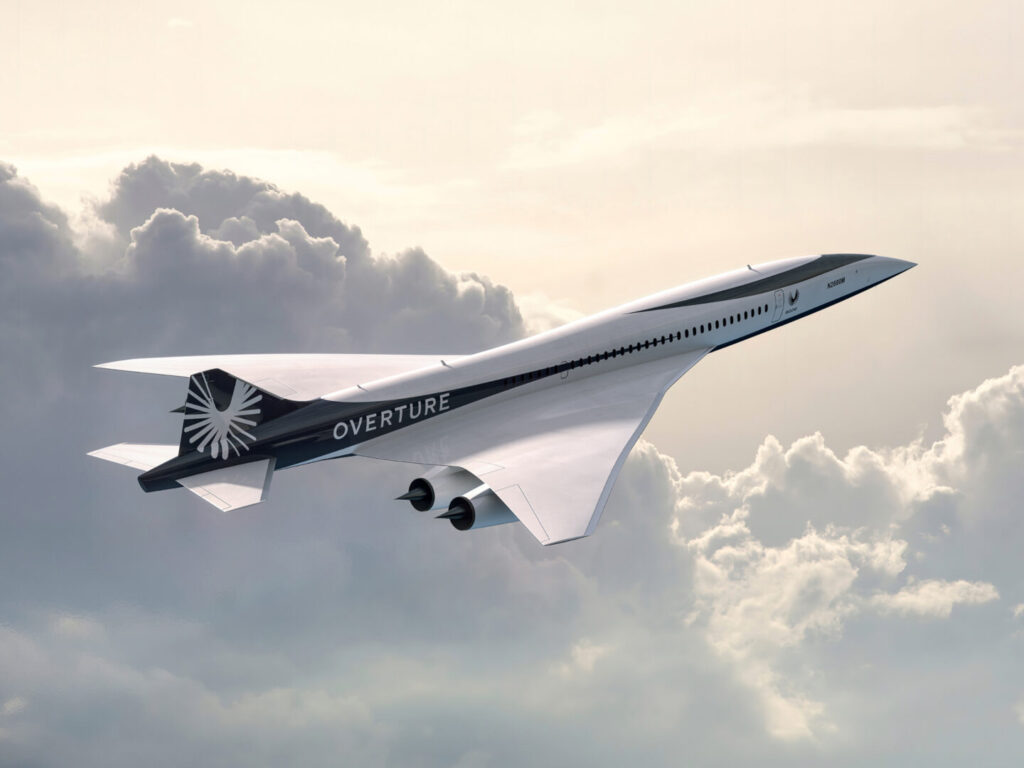
The technique that makes this possible is called Mach cutoff. It relies on aircraft design and atmospheric conditions to refract sonic booms upward into the atmosphere rather than letting them reach the ground. Think of it as bending the shockwave away from populated areas. The concept has existed in theory for years, but recent advances in computational modeling and materials science have made it practical enough to underpin a certification standard.
Older supersonic aircraft, including the Concorde, generated booms that registered at 1.0 to 2.0 psf on the ground. The Concorde was restricted to subsonic speeds over land and only flew supersonic over water. The 0.11 psf threshold represents roughly a tenfold reduction in perceived boom intensity compared to those earlier aircraft. Manufacturers are designing airframes specifically to achieve that reduction through nose shaping, wing configuration, and flight profile optimization.
✅ NPRM: Enabling Supersonic Overland Flight (Docket FAA-2026-6935) proposes replacing the 1973 blanket ban with a noise-based certification standard. Sonic boom overpressure at the surface must stay at or below 0.11 pounds per square foot (psf) for an aircraft to operate supersonically over land.
The FAA aims to finalize these noise standards and a companion rule covering takeoff and landing noise by mid-2027. That second rule will address the noise supersonic aircraft produce during airport operations, a separate concern from in-flight sonic booms. Commercial service is expected to begin by 2030, pending aircraft certification and airline integration.
| Milestone | Date/Target | Notes |
|---|---|---|
| Executive Order 14304 signed | June 2025 | “Leading the World in Supersonic Flight” directs agencies to enable overland supersonic operations |
| FAA/DOT announcement and NPRM publication | June 30, 2026 | NPRM “Enabling Supersonic Overland Flight” (FAA-2026-6935) released |
| Final noise standards expected | Mid-2027 | Includes in-flight boom standard and takeoff/landing noise rule |
| Projected commercial service | 2030 | Contingent on aircraft certification and airline integration |
⚠️ Timeline: Final noise standards and takeoff/landing noise rule are targeted by mid-2027. Commercial supersonic service is anticipated by 2030, contingent on aircraft certification and regulatory finalization.
Once operational, supersonic jets could reduce coast-to-coast travel times from 6 hours to approximately 3 hours. A New York to Los Angeles flight that currently occupies most of a business day would take half that time. The reduction comes from cruising speeds above Mach 1, potentially reaching Mach 1.7 or higher depending on the aircraft model and route.
Communities along flight paths would fall under the FAA’s new noise-based standard. The agency maintains that residents near airports and under flight corridors will be protected from the disruptive booms of the Concorde era. Detailed environmental impact data has not yet been released, and the proposed rule will undergo a public comment period before finalization.
| Entity | Role | Impact |
|---|---|---|
| U.S. Department of Transportation (DOT) | Policy direction and oversight | Leads interagency effort to end the 1973 ban |
| Federal Aviation Administration (FAA) | Rulemaking and aircraft certification | Issues NPRM, sets noise standard, certifies aircraft |
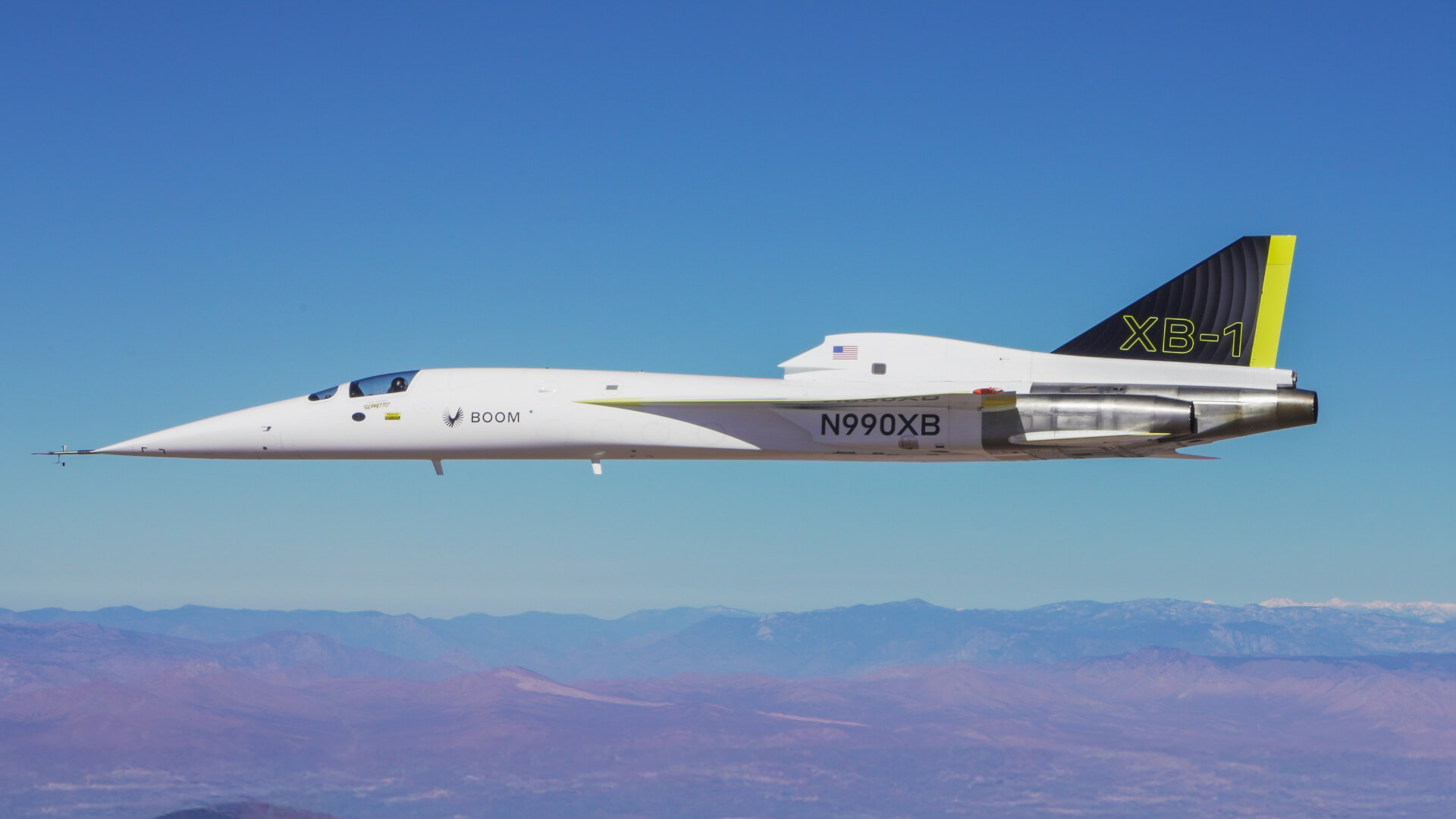
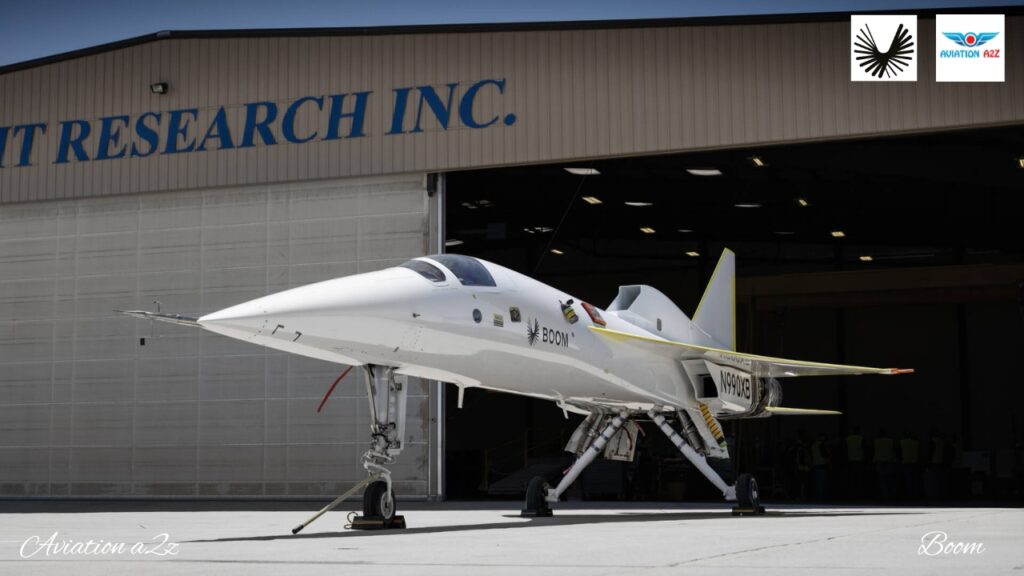
| Boom Supersonic | Aircraft manufacturer | Developing quiet supersonic jets to meet 0.11 psf standard |
| Spike Aerospace | Aircraft manufacturer | Designing airframes using Mach cutoff principles |
| International Civil Aviation Organization (ICAO) | Global standards body | Has not yet established global supersonic noise standards |
The NPRM provides manufacturers something they have lacked for decades: regulatory certainty. Boom Supersonic, based in Colorado, and Spike Aerospace, based in Massachusetts, are among the companies developing quiet supersonic jets. Both are designing airframes to meet the 0.11 psf standard through Mach cutoff principles. Without a certification standard, those companies had no clear path to FAA approval. Now they do.
International travel will require additional work. The rule calls for the FAA to secure international aviation safety agreements. Supersonic operations over foreign territory or across oceans will need coordinated regulatory frameworks. The International Civil Aviation Organization, a UN body, has not yet established global supersonic noise standards. Bilateral agreements between the United States and other nations will likely be necessary before transoceanic supersonic routes become routine.
No official statements from the Department of Homeland Security or U.S. Citizenship and Immigration Services have been issued regarding the FAA announcement. The policy change addresses aviation regulation and does not alter visa processing, border procedures, or immigration adjudication. Travelers holding valid visas or ESTA authorizations would board supersonic flights under the same entry requirements as subsonic flights, just faster.
The public comment period for Docket FAA-2026-6935 is now open. Interested parties can submit comments through the Federal Register portal. Final rules are targeted for mid-2027, with the first commercial supersonic overland routes projected to launch before the end of the decade.