- U.S. travelers will need ETIAS approval for short European trips starting in late 2026.
- The system requires a €20 application fee for travelers aged 18 to 70 years old.
- Authorization is linked to your passport and typically valid for up to three years.
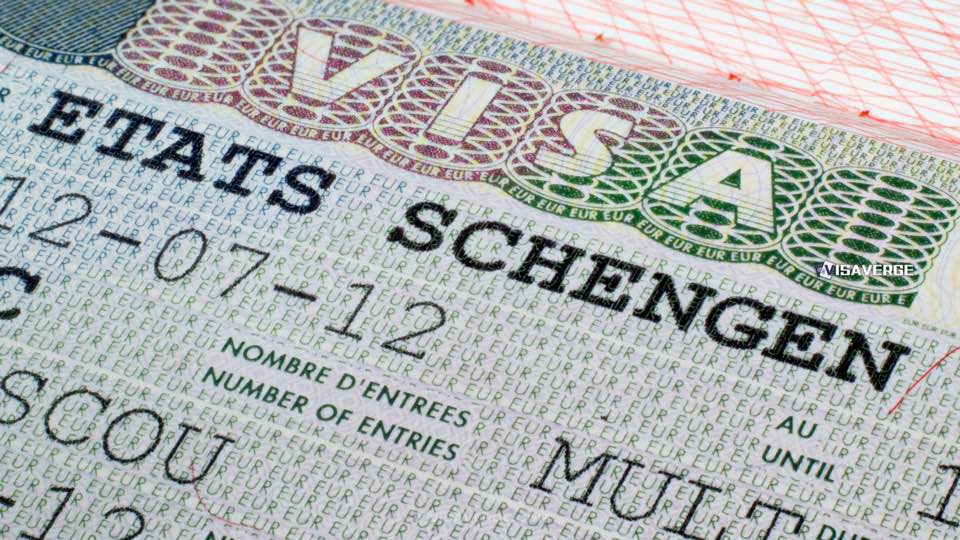
ETIAS will add a new required step for most United States 🇺🇸 passport holders who fly to Europe for short trips in 2026. Before you board, you’ll need an approved online travel authorization linked to your passport for entry to participating Schengen countries.
The European Travel Information and Authorisation System is not a visa. It is a pre-travel screening for visa‑exempt visitors, meant to spot security and immigration risks earlier and to make border checks smoother.

For Americans used to showing up with only a passport, the change is practical: airlines and other carriers will check for ETIAS approval before departure, and border officers will still decide admission on arrival. A valid ETIAS does not guarantee entry.
Where ETIAS applies and the stay rule it sits on top of
ETIAS is designed for short stays across 30 destinations: 29 Schengen states plus Cyprus. The familiar Schengen short-stay limit still applies, meaning visits are capped at 90 days within any rolling 180-day period across the zone.
Because the authorization is tied to the passport, it matters even for frequent travelers. If you renew your passport, you should expect to apply again, since the old authorization stops when the passport expires.
When ETIAS is expected to start
The European Commission said in March 2025 that ETIAS is planned to become mandatory in the last quarter of 2026, after earlier delays from 2022, 2023, and 2025. Travelers booking far ahead should check timing again close to departure.
VisaVerge.com reports repeated delays make ETIAS a booking checklist item, not an afterthought.
Who needs ETIAS, and who doesn’t pay
Once ETIAS is live, visa‑exempt nationals, including U.S. citizens, must have it for short tourism or business trips. That requirement also covers many transits through participating airports, because carriers will verify authorization before travel.
The fee is €20 for applicants aged 18–70. It is free for travelers under 18, over 70, and certain family members of EU or EEA citizens, though they still submit an application.
What you submit in an ETIAS application
Expect a fully online process through a website or mobile app. You’ll enter your identity details as shown in the passport, plus contact information, travel-related basics, and a set of background questions.
- Your passport and a way to double-check its number and expiry date
- A payment card for the fee, if it applies
- Honest answers to the security, health, and immigration history questions
You can apply for yourself. Travel agents can also assist, often for an added service charge, but the traveler remains responsible for accuracy.
The ETIAS journey in four steps, with realistic timing
- Apply online and pay (if required). Most people complete the form in minutes, as long as passport details are typed exactly.
- Automated checks run quickly. Many applicants receive approval within minutes, because systems cross-check watchlists and databases.
- Extra checks sometimes slow decisions. Some cases take longer, up to 96 hours, and can extend to 30 days if more review is triggered.
- Travel with the same passport you used. The authorization is electronically attached to that passport and is checked at check-in and again at the border.
ETIAS is generally valid for three years or until the passport expires, whichever comes first. It also supports multiple trips during that period, as long as you keep following the 90/180-day rule.
What airlines and border officers will do
Once ETIAS is mandatory, carriers will treat it like a pre-boarding requirement. If the system shows no valid authorization, an airline may deny boarding, even if you otherwise qualify for visa‑free travel.
At the border, officers still ask why you’re visiting and how long you’ll stay. ETIAS reduces surprises, but it doesn’t replace border inspection.
Sorting out the ETIAS fee confusion
Travelers may see older articles quoting a €7 fee. That figure circulated during earlier proposals and before the final confirmed amount.
The official budget number to use is €20, which the EU has confirmed in current communications. For up-to-date guidance, rely on the European Union’s ETIAS information page at europa.eu/etias, not ad-heavy third-party sites selling “expedited” services.
Other Europe travel changes Americans will meet in 2025–2026
ETIAS is only one part of a wider shift toward more automated borders. The biggest parallel change is the EU Entry/Exit System (EES), which begins a gradual rollout on October 12, 2025.
EES is not a pre-travel authorization and has no fee. Instead, it registers each entry and exit, and it collects biometrics such as fingerprints and a facial image at the border, helping track 90/180-day compliance.
United Kingdom trips: a separate ETA
If your itinerary includes the United Kingdom, plan for a different permission. The UK’s Electronic Travel Authorisation (ETA) is separate from ETIAS and does not cover Schengen countries.
The UK ETA costs £16, is valid for two years, and allows multiple visits of up to six months each. It is expected to be fully in place for eligible travelers by April 10, 2026.
City fees and local tourist taxes, including Venice
Some travelers also run into location-specific charges that have nothing to do with entry permission. Venice, for example, has an access fee for day-trippers on peak days, running April 3 to July 26, 2026.
The Venice fee ranges from €5 to €10 per day, with cheaper pricing for advance booking. Overnight guests are exempt but must register, and the rule applies only on specified days, not year-round.
Outside Venice, cities may charge tourist taxes. Check hotel invoices and city rules during booking.
Travel-day habits that prevent last-minute problems
As launch approaches, build a simple routine. Confirm whether ETIAS is required for your departure date, submit the application early, and keep a copy of your approval email or reference number, even though the check is electronic.
Re-check passport validity and make sure your booking matches the passport spelling. Give yourself a cushion before travel weeks.
If your authorization is pending or denied, don’t assume airport staff can fix it. Adjust plans, resolve the issue through the official process, and wait until you’re cleared to travel.