- Air India appointed Tewolde Gebremariam as CEO on August fifth, twenty twenty-six, succeeding Campbell Wilson.
- The airline faces two point three billion dollar annual losses despite expanding its order book to six hundred jets.
- The leadership change occurs during a major crash investigation with the final report due in October.
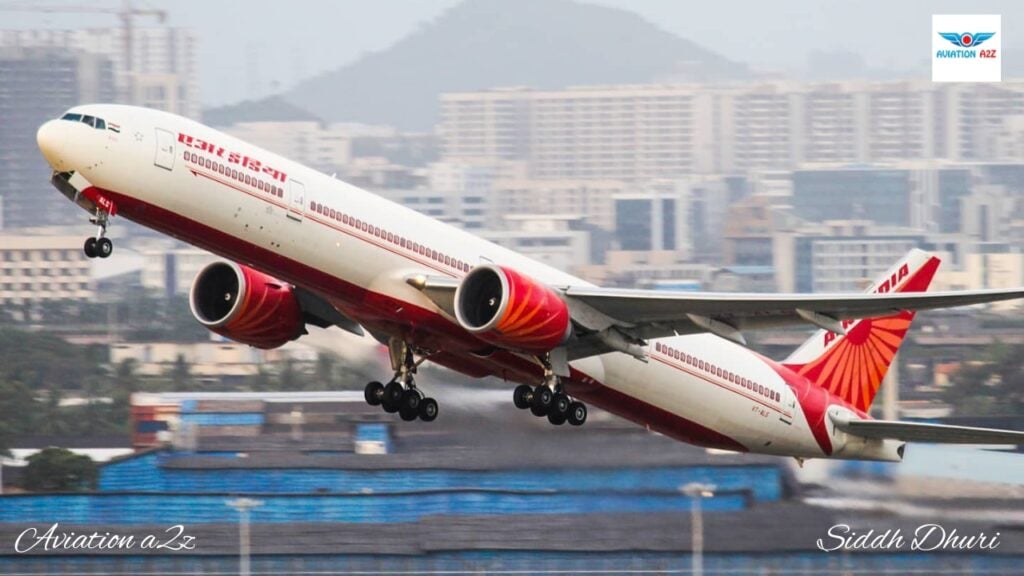
Air India appointed Tewolde Gebremariam as its new Chief Executive Officer and Managing Director on August 5, 2026, replacing Campbell Wilson as the Tata Group-owned airline pursues its next phase of growth and operational expansion.
The appointment followed a global search that assessed internal and external candidates. Gebremariam previously led Ethiopian Airlines Group, where he served as Group Chief Executive Officer from 2011 to 2022.
Free toolB1/B2 Tourist Visa Stay Calculator online
The carrier and Air India Express reported a combined net loss of ₹22,238 crore ($2.32 billion) for FY26, more than double the previous year’s ₹10,859 crore loss. Air India’s order book has also reached 600 jets.
Wilson is scheduled to leave on September 30, 2026, after a four-year tenure that began in June 2022. The transition comes as the airline continues integrating its operations under Tata ownership and faces questions over its financial performance and safety oversight.
“It is a profound honour to be entrusted with leading Air India at such a historic moment in its journey,” Gebremariam said.
He added that he would work with Tata Sons chairman N. Chandrasekaran, the board, employees, government and industry partners to pursue operational reliability, Indian hospitality and long-term growth.
Chandrasekaran, who is chairman of Tata Sons and Air India, said Gebremariam’s record managing a large and profitable airline group suited him to lead Air India’s next transformation phase.
Ethiopian Airlines gives the incoming chief a record of rapid scale
Gebremariam took charge of Ethiopian Airlines during a period of sustained expansion. The group’s fleet grew from 33 aircraft to 130, while annual passenger numbers increased from around 3 million to 12 million.
Revenue rose from about $1 billion to $4.5 billion during his leadership, according to accounts of the airline’s performance. A separate assessment put revenue at $5 billion by 2022, when he had nearly tripled the fleet and built the carrier into Africa’s most profitable airline group.
He also guided Ethiopian Airlines through the 2019 Boeing 737 MAX crisis. The record was a central reason Tata’s chairman gave for selecting him.
Air India’s recovery is expected to take longer than originally planned. Chandrasekaran has extended the estimated turnaround period to 5–10 years, beyond the original five-year “Vihaan.AI” plan.
The airline is also contending with external cost pressures. Airspace closures in Pakistan and conflict-driven fuel price increases in the Middle East have forced longer, more expensive international routes.
The leadership change comes before the AI171 investigation concludes
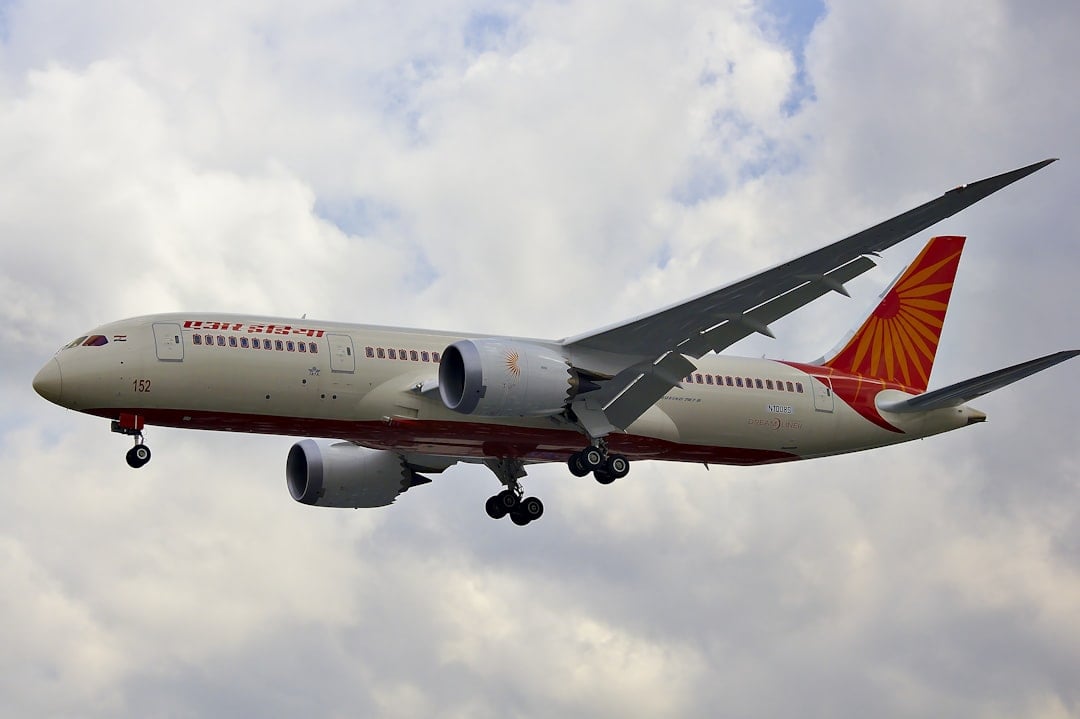
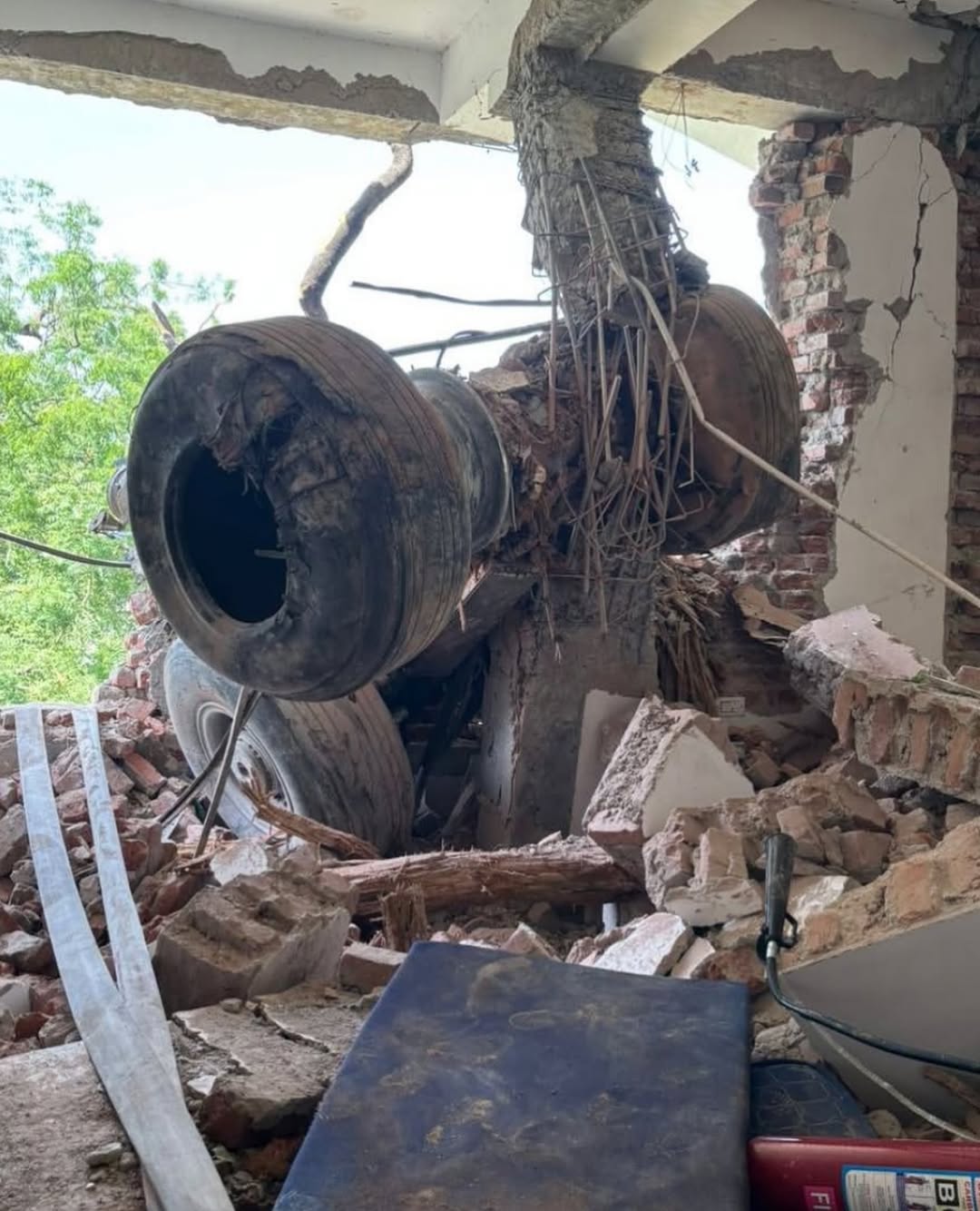
Air India Flight 171 crashed shortly after takeoff from Ahmedabad on June 12, 2025. The Boeing 787-8 crash killed 260 people, including 241 on board and 19 on the ground.
Preliminary findings indicate that the aircraft’s fuel control switches moved from “RUN” to “CUTOFF” three seconds after takeoff. The Aircraft Accident Investigation Bureau continues to examine the crash.
Minister of State for Civil Aviation Murlidhar Mohol told the Lok Sabha on July 30, 2026, that the AAIB was “examining all possible causes.” He said a final report was expected by October 2026.
The Supreme Court chose on July 28, 2026, to wait for that report. Several petitions, including one from a victim’s father, seek a wider probe, while the government maintains that cockpit voice recordings should remain sealed until the final findings.
The investigation will continue during the management handover. Gebremariam’s appointment therefore places the leadership transition alongside an unresolved regulatory process.
Tata has added transition support as Wilson prepares to depart
Tata Sons increased its direct oversight of Air India in July 2026. The group brought in former Civil Aviation Secretary Pradeep Singh Kharola as an Executive Advisor to support the leadership transition.
Wilson’s tenure began during the airline’s initial privatization phase. His departure will close a four-year period that included the early Tata ownership and the aftermath of the 2025 crash.
Air India’s planned expansion now sits alongside the need to improve its financial results. The carrier’s 600-jet order book follows an initial 470-plane order in 2023, 100 additional Airbus planes in December 2024 and 30 additional Boeing 737 MAXs in January 2026.
The order book is the largest concrete marker of the airline’s expansion plans. The losses show the financial pressure already facing the business.
Employees face cost controls as the airline changes leadership
Air India has retained a 1.08% share benefit scheme for employees. Internal morale has nevertheless been tested by Tata Group instructions to operate in “cost-cutting mode.”
Analysts have described the workforce transition as a “double-edged sword.” The airline is attempting to hire a younger workforce while risking the loss of experienced legacy employees.
Aviation analysts have called the appointment a “statement of intent.” Their description contrasts Wilson’s “builder” phase with the “operator” phase expected under Gebremariam, with the focus shifting toward sustainable profitability.
The incoming chief said he wanted to deliver operational reliability and sustained long-term growth. Those goals will be pursued while the airline manages its expanded aircraft plans, current losses and the pending AAIB report.
The formal appointment was announced August 5, 2026. The investigation’s expected deadline is October 2026, and Wilson’s scheduled departure follows on September 30, 2026.