January 3, 2026
- Updated entry requirement: e-Visas reinstated starting Jan 1, 2026, for many previously visa-free nationalities
- Added visa fee of US$80.90 and non-refundable payment instruction
- Included timeline dates: reinstatement for US/Canada/Australia on Apr 10, 2025, and expansion Jan 1, 2026
- Added processing time estimate of 5–20 business days and recommended application timeline
- Clarified visa validity details: 10-year multiple-entry e-Visas (many nationalities) and 5-year for Canadians/Australians
- Added new requirements and guidance: passport validity (6 months), document checklist, proof of funds (example US$2,000+), and biometric/e-gate plans through Dec 2026
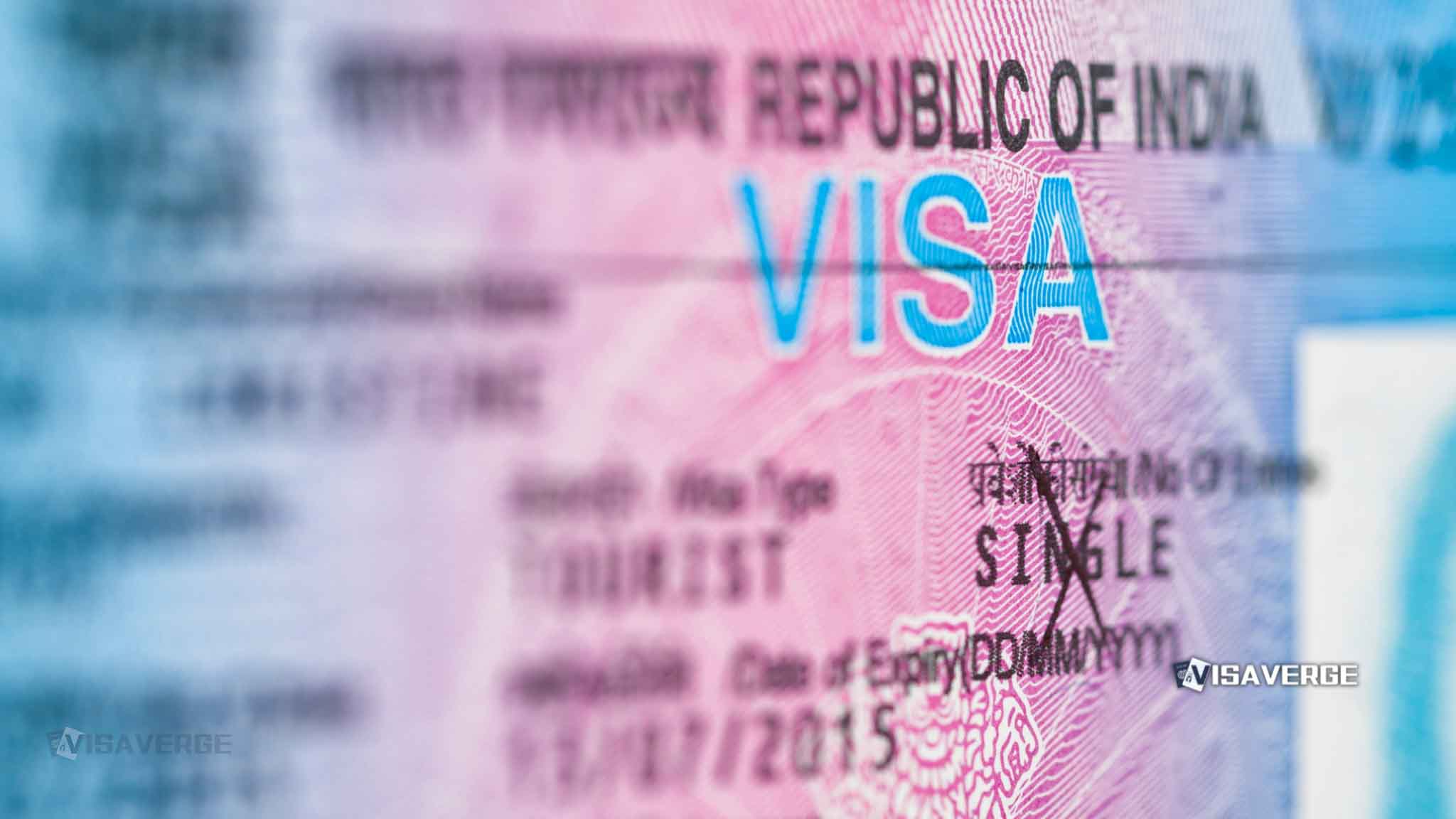
(BRAZIL) From January 1, 2026, Brazil requires e-Visas again for many travelers who once entered visa-free, including passport holders from the United States 🇺🇸, Canada 🇨🇦, Australia, Mexico, France, Argentina, and more. If you’re planning tourism or a short business trip, the practical change is simple: apply online early, pay US$80.90, and travel with the approved QR/barcode.
The rule matters because airlines face heavy fines if they board a passenger who needs an e-Visa but doesn’t have the barcode. That makes check-in a hard stop, even if you’re only connecting or visiting for a short stay.
Brazil says the move is about reciprocity, because many of the affected countries still require visas for Brazilians. The policy was reinstated for U.S., Canadian, and Australian passports on April 10, 2025, and broadened from January 1, 2026 to more nationalities that had previously been exempt.
Eligibility and the Visitor Visa (VIVIS)
Most short visits use Brazil’s Visitor Visa (VIVIS). It covers:
- Tourism
- Family visits
- Conferences
- Volunteer activities
- Business actions like meetings, audits, and contract signings
After an October 8, 2025 update, VIVIS also covers technical assistance and technology transfer without requiring a work visa, provided the visitor is not taking employment in Brazil.
Key points on validity and duration:
- For many nationalities now under the rule, the online visa issued is a 10-year multiple-entry e-Visa.
- Canadians and Australians receive 5-year multiple-entry e-Visas under the same online system.
- Each stay is typically up to 90 days per entry.
- If you already have a valid physical visa issued before these changes, you may continue to use it until it expires.
Timeline and planning
Brazil’s e-Visa process runs online, but it isn’t instant. Published processing time runs 5–20 business days, and there’s no expedite option described in the current framework.
A safe travel plan uses these checkpoints:
- Three months before travel: lock your passport validity, collect documents, and start the online application.
- One month before travel: confirm the approval email arrived and your QR/barcode is readable and saved.
- Day of travel: bring a printed copy and a phone copy, since airlines verify before boarding.
For major events like 2026 conferences, that lead time matters. A 20-business-day window can stretch quickly when demand spikes or applicants need to re-upload files.
Documents to prepare (make upload painless)
Before you open the application, assemble clean digital files and name them clearly. Most denials and delays come from unreadable scans or missing proof.
Expect to provide:
- Passport bio page scan — passport must be valid for at least 6 months beyond your planned stay and have one blank page.
- Digital photo — a standard headshot in a common format (e.g., JPEG).
- Proof of travel — round-trip itinerary and lodging plans.
- Financial proof — bank statement showing you can support yourself; the guide cites an example threshold of US$2,000+ for 90 days, noting expectations vary.
- For minors: extra civil documents and permission paperwork when traveling alone.
Keep travel proof realistic. If hotel bookings or flight plans look inconsistent with your dates, expect extra scrutiny or a request to correct the files.
How to apply (four clear steps)
Brazil’s authorized platform is the official VFSeVisa portal, where you complete the e-Visa application and upload documents.
- Choose VIVIS for tourism or short business and confirm your trip fits visitor activities (not local employment).
- Complete the online form carefully, matching passport data exactly, including spaces and surname order.
- Upload your documents in clear scans, then re-check every file opens on your phone.
- Pay the fee of US$80.90 by card and submit, then track your email for the decision and barcode.
Notes on payment and accuracy:
- The fee is non-refundable, so accuracy is worth the extra time.
- Analysis by VisaVerge.com indicates travelers who treat the upload stage like an airline document check reduce rework and avoid missed flights.
What you receive and what officials check
After approval you receive an email with a barcode/QR code. Actions to take:
- Print a copy and save an offline phone copy.
- Airlines check the code before issuing a boarding pass when the visa is required.
- On arrival, present the e-Visa code to immigration — no sticker is placed in your passport during the application stage because the approval is digital.
If your stay exceeds visitor limits or your temporary visa class requires registration, Brazil’s system involves post-arrival steps with the Federal Police. Many longer-term residents obtain a CRNM card and may seek a CPF tax number for daily life activities.
Business travel: what’s allowed (and what’s not)
VIVIS supports short business needs but it isn’t work authorization.
- The 2025 clarification on technical assistance and technology transfer helps companies sending staff briefly for installation, training, or specialized support.
- The boundary remains: paid work performed in Brazil generally requires a proper work visa or authorization.
Typical allowed activities on VIVIS:
- Attending meetings in São Paulo
- Signing contracts
- Joining audits
- Speaking at conferences
If you’re being hired locally, you must pursue a different visa path.
“Gather info, prepare docs, apply ahead—the key to stress-free entry.”
Digital border changes through late 2026
Brazil is moving toward more digital border checks. A 2025 working group with Peru, Colombia, and Uruguay is testing shared systems that link e-Visas with selfie biometrics and real-time passenger data exchange.
Planned operational change:
- By December 2026, mandatory biometric e-gates are planned for major airports including São Paulo/Guarulhos and Rio/Galeão.
- Goal: shorten lines and tighten identity checks.
- Travelers should expect more structured identity capture at arrival points.
Budget impact: fees and tax changes
Visa cost and related fiscal impacts:
- Visa fee: US$80.90 for the e-Visa, paid online.
- Brazil expects R$480 million in consular fees in the first year of the reinstated program.
Concurrent tax reform:
- Brazil’s dual-VAT reform (CBS/IBS) starts January 1, 2026, with an effective increase of 3–5%.
- Example: mid-range hotel rooms in São Paulo shown rising from R$550 to R$585 per night, as hotels and tour operators pass on costs.
If budgeting for a family trip, plan for the up-front visa fee plus slightly higher daily costs once you arrive.
Brazil is reintroducing visa requirements for previously exempt travelers from countries like the US, Canada, and Australia by early 2026. Travelers must apply for an e-Visa online, pay an $80.90 fee, and present a QR code to airlines. The policy covers tourism and short business trips. Travelers should prepare documents three months in advance to avoid delays during the 5–20 day processing window.
Live Government Data
State Dept • CBPBusiest Border Crossings
- Brownsville 150 min
- Nogales 150 min
- San Ysidro 140 min