(BALI, LISBON, BENGALURU) Americans spread across global hubs for remote work are building improvised holiday tables as Thanksgiving approaches, turning co-living kitchens and coworking rooftops into places to share food and gratitude with fellow travelers. From beach villas in Bali to hilltop neighborhoods in Lisbon and tech districts in Bengaluru, digital nomads say the holiday is less about place than people, and this year’s gatherings reflect a lifestyle that prizes community over fixed addresses.
Where Friendsgiving Happens
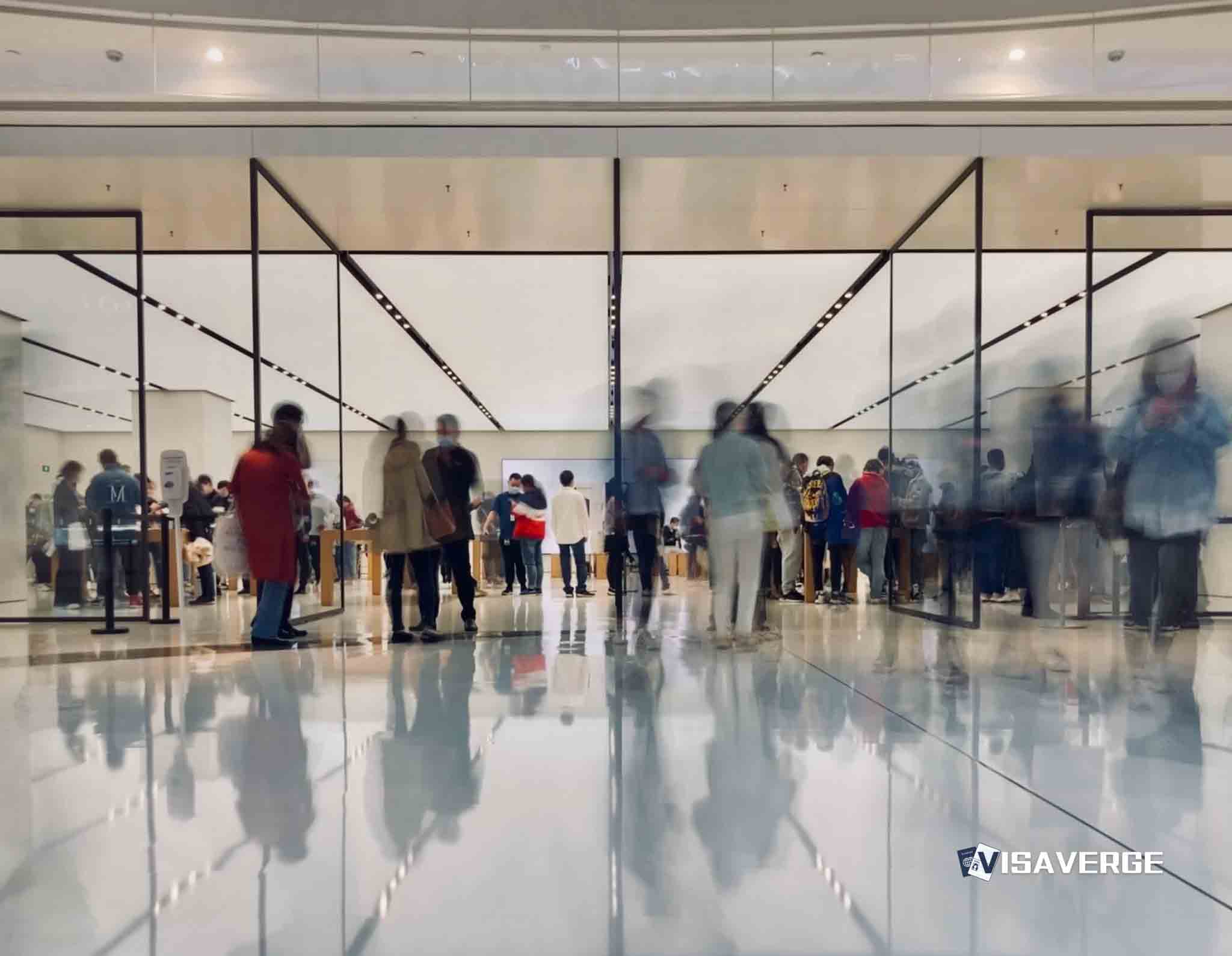
The shift is clearest in cities where remote-work communities have grown fast. In Lisbon, co-living houses and coworking spaces draw a steady flow of Americans; Friendsgiving dinners are being stitched together with borrowed ovens and shared grocery runs, organizers say.
In Bali’s nomad neighborhoods, villa hosts report potluck sign-up sheets filling up as newly arrived workers look for a seat at a table.
Free toolB1/B2 Tourist Visa Stay Calculator onlineBengaluru’s start-up districts add a different flavor: small, early-evening meetups for U.S. professionals syncing calls with family back home before India’s regular workday resumes the next morning.
Across these places, the pattern is similar:
– Flexible schedules
– A rotating cast of guests
– Menus that mix tradition with local tastes
What Replaces “Home” for Nomads
For digital nomads, the familiar markers of home—grandmother’s recipe, a long drive to a family house, the same seat at the same table—are replaced by short-term leases and a community drawn from multiple countries. That change, regulars say, has pushed Thanksgiving toward its simple core: gratitude, connection, and a shared meal.
People who met in a Slack channel on Monday can be passing plates on Thursday. Co-living hubs in Mexico City, Chiang Mai, and Lisbon often host Friendsgiving dinners or cultural nights where each guest brings a dish from their home country. The potluck model fits life on the road by:
– Keeping costs down
– Giving everyone a role
– Encouraging cultural exchange
Menus: Improvised and Local
The menu is often improvised; whole turkeys can be hard to find or expensive, so cooks work with what’s local.
Examples:
– In Southeast Asia, pumpkin may become pumpkin curry
– In Southern Europe, pies lean toward local squash or sweet pastries
– Some groups skip turkey, focusing on a shared main with many sides
As one seasoned expat put it: “Thanksgiving has been the only holiday that has ever been important to me… This was a gathering of family and friends together for a fabulous all-day eating experience and showing my gratitude for them being in my life. I’ve cooked for as many as 40 for a sit-down dinner.” — Jodi, an American in Sicily
Technology and Timing
Technology shapes the rhythm of the day:
– Many Americans abroad set up video calls to include relatives at home, even when time zones mean one side drinks coffee while the other carves a roast.
– Long-distance toasts and quick “gratitude notes” by text or video help fill the gap when travel costs or visas keep people from flying back.
– Nomads often shift hours or take lighter schedules to mark the holiday.
These small moves help the day feel special rather than just another Thursday.
Legal, Financial, and Compliance Notes
The legal and financial side of mobility doesn’t pause for a holiday either. Some Americans use the week to:
1. Check paperwork
2. Plan ahead for the new year (count days in each country)
3. Review insurance
4. Confirm work permissions in the host country
Many digital nomads stay under temporary residence schemes or use digital-nomad visas and permits, while others rely on short stays. Whatever the path, compliance matters.
- Important tax reminder: the United States taxes citizens on worldwide income, no matter where they live.
- The IRS explains filing responsibilities, exclusions, and credits on its resource for international taxpayers: https://www.irs.gov/individuals/international-taxpayers/us-citizens-and-resident-aliens-abroad
Well‑being, Reflection, and Giving Back
Communities say the holiday can double as a check-in on well‑being. Remote work often looks bright on social media, but long stretches away from family can feel heavy in late November.
Common practices at nomad celebrations:
– Gratitude circles — quick rounds where each person shares what they’re thankful for
– “Give back” time — pooled donations for a local cause or volunteering part of the day
This combination of sharing and service makes Thanksgiving less about a specific recipe and more about a shared moment that travels well.
Cultural Exchange and Hybrid Traditions
The holiday’s flexibility creates room for cultural exchange. In India, where many already blend festivals like Diwali with a global work rhythm, joining a Thanksgiving dinner can feel natural. Conversely, Americans at the table learn about Onam or regional harvest festivals.
Groups often invite guests to bring “something meaningful”:
– A dish
– A song
– A family story
The result is a hybrid feast that respects Thanksgiving’s origins while welcoming other customs.
How Communities Organize Practically
Celebrations rarely follow a single script. Practical approaches include:
– Pooling money to buy a cooked meal from a local restaurant (useful where kitchens are small)
– Dividing tasks so no one bears too much load
– Asking guests to bring drinks or desserts as easy contributions
– Setting themes—fusion plates that blend American staples with local ingredients
Common nods to home:
– Cranberry sauce improvised from local berries
– Cornbread made with regional cornmeal
– Spice blends that echo a parent’s kitchen
The Emotional Ledger
If Thanksgiving’s heart is gratitude, many nomads say spending it abroad sharpens both appreciation and longing. They feel grateful for:
– The chance to see the world while keeping a career
– Friends who feel like family
– Moments that connect different parts of their lives
They also note limits:
– Visas that don’t allow a partner to work
– Long housing searches
– The ache of an empty chair that would be filled at home
Thanksgiving becomes a pause: a moment to take stock of a year spent on the move and the choices that made it possible.
Policy Questions and the Future
Policy debates rarely reach the dinner table, but the lifestyle raises questions for governments. India’s growing remote-professional cohort illustrates the point: supporters call for clearer rules on taxes and remote-work permissions, while skeptics worry about enforcement and revenue.
For now:
– Nomads find workarounds
– They watch official channels for updates
– They rely on community advice
The Scene After Dinner
By the time dishes are washed and group photos traded, the day’s shape is familiar even if the setting is not. A room filled with people who started the week as strangers often feels closer by night’s end.
Typical wrap-up:
– Plans for the next meet-up
– Leftovers divided with project‑management precision
– The next morning: flights, deadlines, and life at nomad speed
But the memory of a shared table in a faraway city lingers, underscoring a simple lesson: Thanksgiving can travel. It just needs willing hosts, open seats, and a spirit that doesn’t depend on a zip code.
Takeaway
That spirit explains why the holiday continues to grow in the nomad world:
– It fits a lifestyle built on movement
– It welcomes people from varied backgrounds
– It turns a foreign city into a place that feels like home for a night
For Americans abroad — and the friends they invite — the day offers a steady promise: even in a year defined by remote work and changing plans, there’s still time to pass a plate, say thanks, and build community wherever you land.
Frequently Asked Questions
This Article in a Nutshell
In remote-work hotspots like Bali, Lisbon and Bengaluru, Americans celebrate Friendsgiving by pooling kitchens, borrowing ovens, and sharing potluck meals that mix local flavors with Thanksgiving traditions. Technology enables video calls to include family across time zones. Nomads use the holiday to review visas, insurance and U.S. tax responsibilities. Communities emphasize gratitude, cultural exchange and giving back, while policymakers consider rules on visas, taxation and worker protections as mobility grows.