Key Takeaways
• Burner phones are legal in the U.S. and offer privacy during travel.
• CBP can search electronic devices at borders without a warrant.
• Using burner phones may draw extra security attention at airports.
In today’s world where personal data is as significant as identity itself, the question of carrying a burner phone—a simple, prepaid mobile device without internet access—through U.S. airports arises for many travelers. Privacy is key in this digital age, and a burner phone provides a way to maintain anonymity. Here, we examine the legality, privacy benefits, and possible risks associated with traveling with a burner phone, while also considering the broader context of security protocols at U.S. borders.
Legal Status of Burner Phones
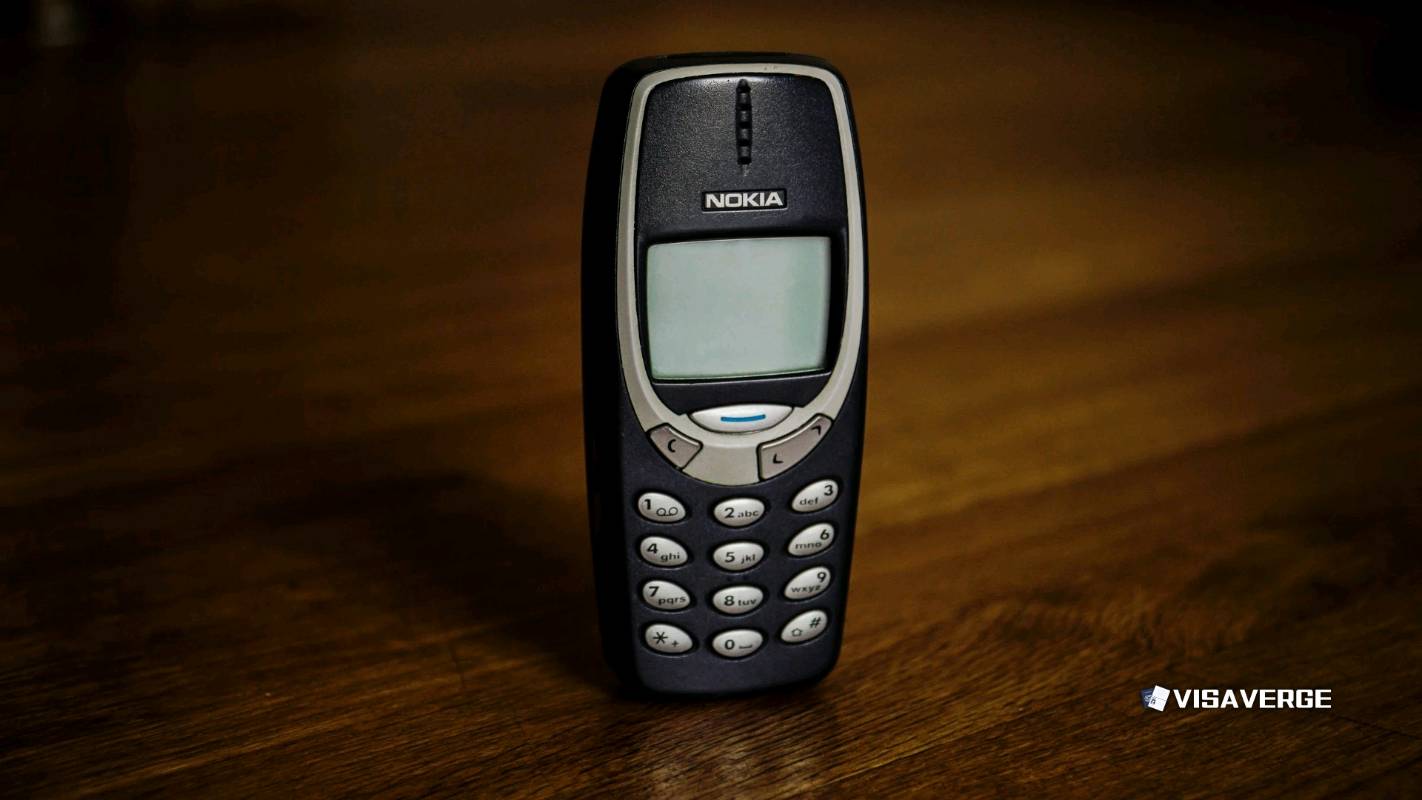
It is perfectly legal to buy and own a burner phone in the United States 🇺🇸. These phones are generally used for temporary communication needs, ensuring privacy, or simply keeping personal and work contacts separate. While there have been discussions about requiring ID to buy such phones, fearing they might be used improperly, there isn’t a federal law enforcing this in the U.S. This absence of legal restrictions makes burner phones an option for those focused on privacy while traveling.
However, U.S. Customs and Border Protection (CBP) officers have the right to check any electronic devices at the border without needing a warrant, thanks to what’s known as the “border search exception” under the Fourth Amendment. This power is used to support immigration and customs law enforcement. This authority has faced various legal challenges over the years. For example, in the 2008 case United States v. Arnold, the Ninth Circuit Court decided that customs officials do not need reasonable suspicion to search laptops at the border. Conversely, a 2019 case in Boston, Alasaad v. McAleenan, found that such searches without suspicion breach the Fourth Amendment. More recently, in 2023, a New York court case, United States v. Smith, declared that agents must have a warrant before searching a traveler’s phone, showcasing changing views on privacy at borders.
Privacy: Benefits and Risks
Many travelers view burner phones as a means of enhancing privacy. Such phones, being prepaid and not linked to specific users, reduce the risk of exposing personal details while on the go. Because these phones aren’t tied to an individual, it’s harder to trace activities or communications back to a specific user, acting as a safeguard against unauthorized access to personal data.
Using a burner phone also means there’s lesser data to be seized during a spontaneous search, which can be advantageous given the potential for device checks without specific cause. An example of the effectiveness of burner phones is evident from the 2022 Beijing Winter Olympics when the FBI suggested athletes use them to avoid cyber threats.
However, the use of a burner phone is not without its downsides. These devices typically lack the advanced features of smartphones. This might inconvenience travelers reliant on apps for things like maps, communication, or entertainment. Additionally, using a burner phone might draw extra attention from security personnel, especially in regions or scenarios where such devices aren’t common. In some cases, authorities may become suspicious, leading to longer checks or even detainments.
There’s also a risk of surveillance with burner phones. Devices known as IMSI catchers can be used to intercept connections, and in some locations, authorities might plant spyware on them. Thus, while burner phones offer privacy, these potential downsides must be considered, weighing privacy against convenience.
Dealing with Airport Security
Travelers should remember that border agents in the U.S. can examine electronic gadgets without a warrant. For U.S. citizens and legal permanent residents, refusing to unlock their devices won’t keep them from entering the country, but it could lead to long delays or even the device being taken away temporarily. For foreign travelers, not complying could mean being refused entry entirely.
To handle these challenges effectively, a few precautions are advised:
- Use devices with minimal data. Place sensitive information in secure cloud services and then remove them from devices ahead of the trip.
- Encrypt devices and avoid using biometric logins. Instead, use strong codes for added security.
- Understand the local laws regarding electronic gadgets and data privacy in the destination to avoid legal trouble.
Social Media: A Close Look
Digital activity scrutiny extends to social media use. Travelers should delete social media apps before departure to minimize exposure. Even with apps removed, cached data may still be accessible. Therefore, logging out and clearing history helps reduce privacy risks.
In wrapping up, it’s legal to carry a burner phone when traveling through U.S. airports. Still, travelers need to weigh the privacy benefits against possible challenges like limited phone features and increased scrutiny at border controls. The ever-changing legal ground around device checks at borders adds another layer of complexity. Therefore, being informed and prepared is crucial for international travelers today. By taking appropriate steps to protect personal data, travelers can journey with peace of mind, knowing they’ve done their best to safeguard their privacy.
For more in-depth information on privacy, U.S. immigration laws, and travel rights, you can visit the official U.S. Customs and Border Protection website. As reported by VisaVerge.com, the balance between ensuring privacy and meeting legal requirements while traveling is a shared responsibility that travelers must manage vigilantly. Always stay current with updates and changes to ensure a smooth and secure journey.
Learn Today
Burner Phone → A simple, prepaid mobile device not registered to a user, used for temporary communication.
U.S. Customs and Border Protection (CBP) → A U.S. agency that manages border control and customs.
Border Search Exception → Legal allowance for border agents to search devices without a warrant.
Fourth Amendment → Part of the U.S. Constitution protecting against unreasonable searches and seizures.
IMSI Catcher → A device that intercepts mobile phone connections for surveillance purposes.
This Article in a Nutshell
With digital privacy concerns rising, some travelers opt for burner phones through U.S. airports. These prepaid devices ensure anonymity but might attract attention. While legal, border agents can search them sans warrant. Balancing privacy benefits against device limitations and scrutiny is crucial for a seamless travel experience today.
— By VisaVerge.com
Read more:
• Digital IDs for Immigrants: Helpful Tool or Privacy Threat?
• Tunisia’s Biometric ID Proposal Raises Data Privacy Concerns
• Privacy Concerns: UK Police Secretly Using Passport Database for Facial Recognition Searches
• Data Protection Changes Post-Brexit: Impact on UK Privacy Laws
• Privacy Policy
Live Government Data
State Dept • CBPBusiest Border Crossings
- San Ysidro 140 min
- Calexico 135 min
- El Paso 85 min