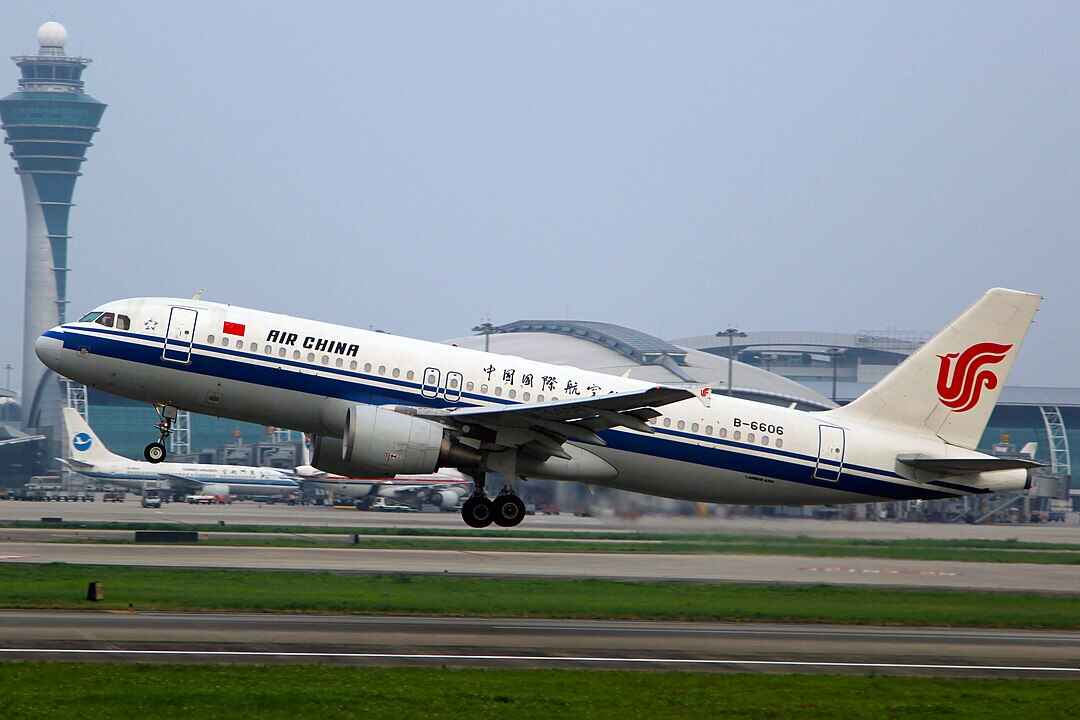
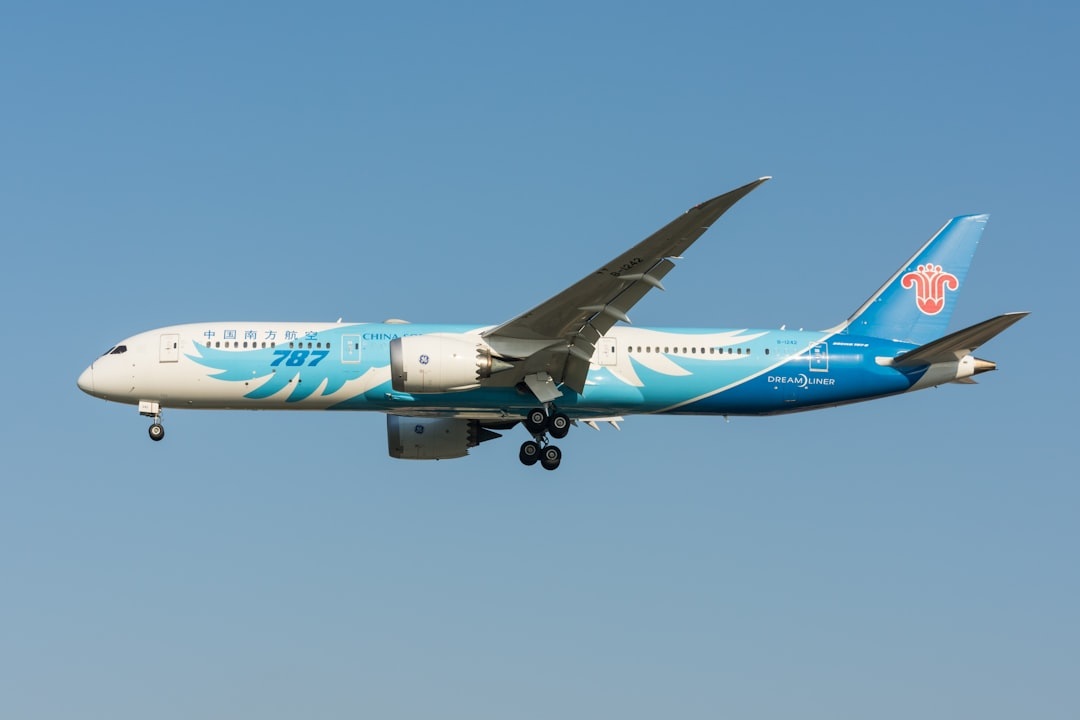
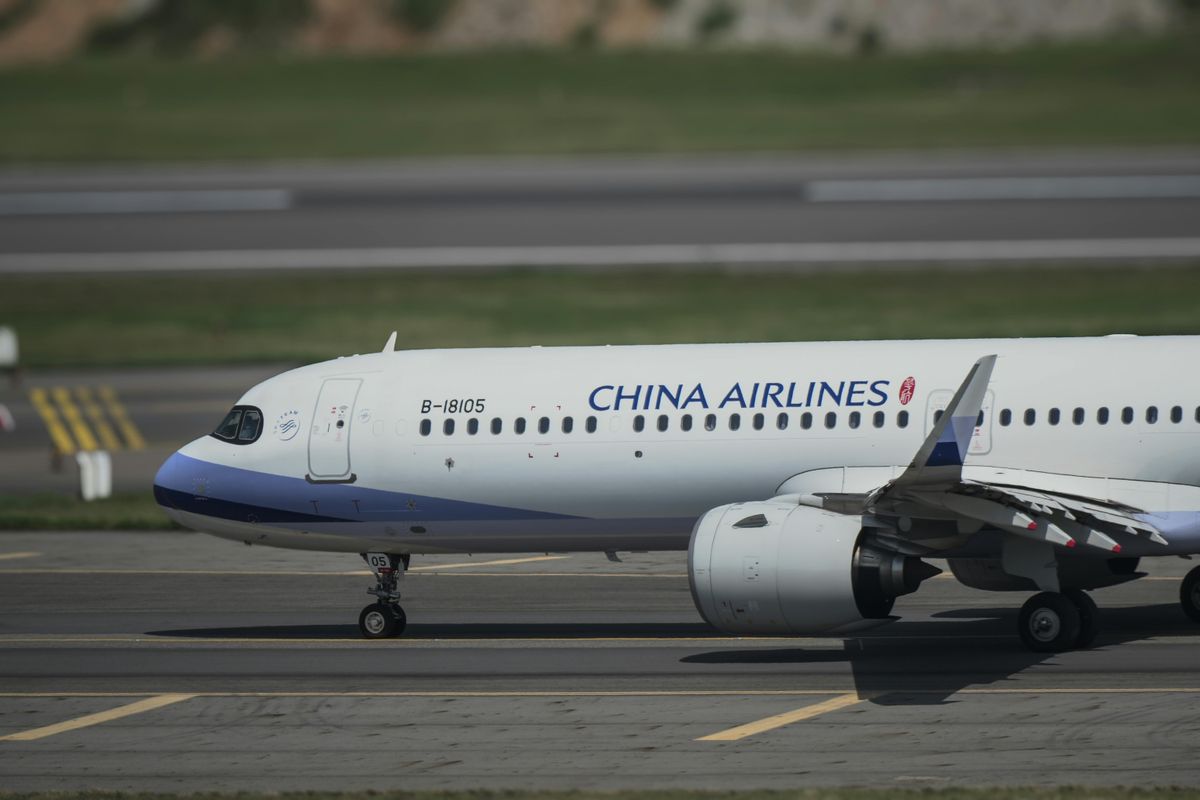
(BEIJING) Air China on August 22, 2025 announced an aircraft change on its Beijing (PEK) – Tashkent (TAS) route for the NW25 season, a shift that could reshape seat layouts, baggage rules, and schedule patterns for late summer, autumn, and into winter. The airline continues nonstop service between the Chinese and Uzbek capitals—an important corridor for business, students, and family visits—while Uzbekistan Airways also operates direct flights on the same city pair. Although Air China has not disclosed the exact aircraft model, the move signals capacity and service adjustments timed ahead of the Northern Winter season, when carriers regularly realign fleets for demand and efficiency.
NW25 timing and context

The NW25 scheduling period typically runs from late October 2025 through March 2026, but large airlines often roll out fleet changes earlier on strategic routes. That appears to be the case here.
Historically, Air China has deployed widebodies like the Airbus A330 or Boeing 787 between Beijing and Tashkent. The latest update confirms a change in equipment, effective immediately or in the coming weeks of the NW25 window, without specifying the replacement type. Industry watchers note airlines usually make these shifts to:
Free toolB1/B2 Tourist Visa Stay Calculator online- Handle rising bookings
- Improve operating costs
- Match airport capacity upgrades
These factors continue to shape China–Central Asia travel patterns.
Operational change and what it means for passengers
For travelers, an aircraft switch can influence many practical details:
- Cabin configuration may change, affecting the number of premium and economy seats and the location of bassinets, exit rows, and lavatories.
- In‑flight amenities—such as power outlets, Wi‑Fi availability, or seatback screens—can vary by aircraft, as can onboard service flow.
- Baggage allowances sometimes differ by equipment and fare brand, so flyers should confirm rules tied to their ticket rather than assuming past allowances still apply.
- Flight times and day‑of‑week frequency can also shift as airlines recast rotations around new aircraft types and maintenance cycles.
To reduce surprises, take these steps before you travel on Air China between Beijing and Tashkent:
- Check your flight status and aircraft type in Manage Booking, then recheck within 72 hours of departure.
- Review your seat assignment against the updated seat map; some seats may change numbers after a cabin reconfiguration.
- Confirm baggage policy printed on your e‑ticket receipt; if unclear, contact the airline about the allowance tied to your fare.
- Reconfirm any special services (wheelchair, infant bassinet, special meals), since galley and bulkhead layouts can shift.
- If connecting beyond Tashkent or Beijing, verify minimum connection times because schedule tweaks can affect transit buffers.
Important: Always confirm the baggage allowance shown on your e‑ticket and check seat maps again close to departure—equipment swaps commonly trigger changes to both.
Airport infrastructure and regional capacity
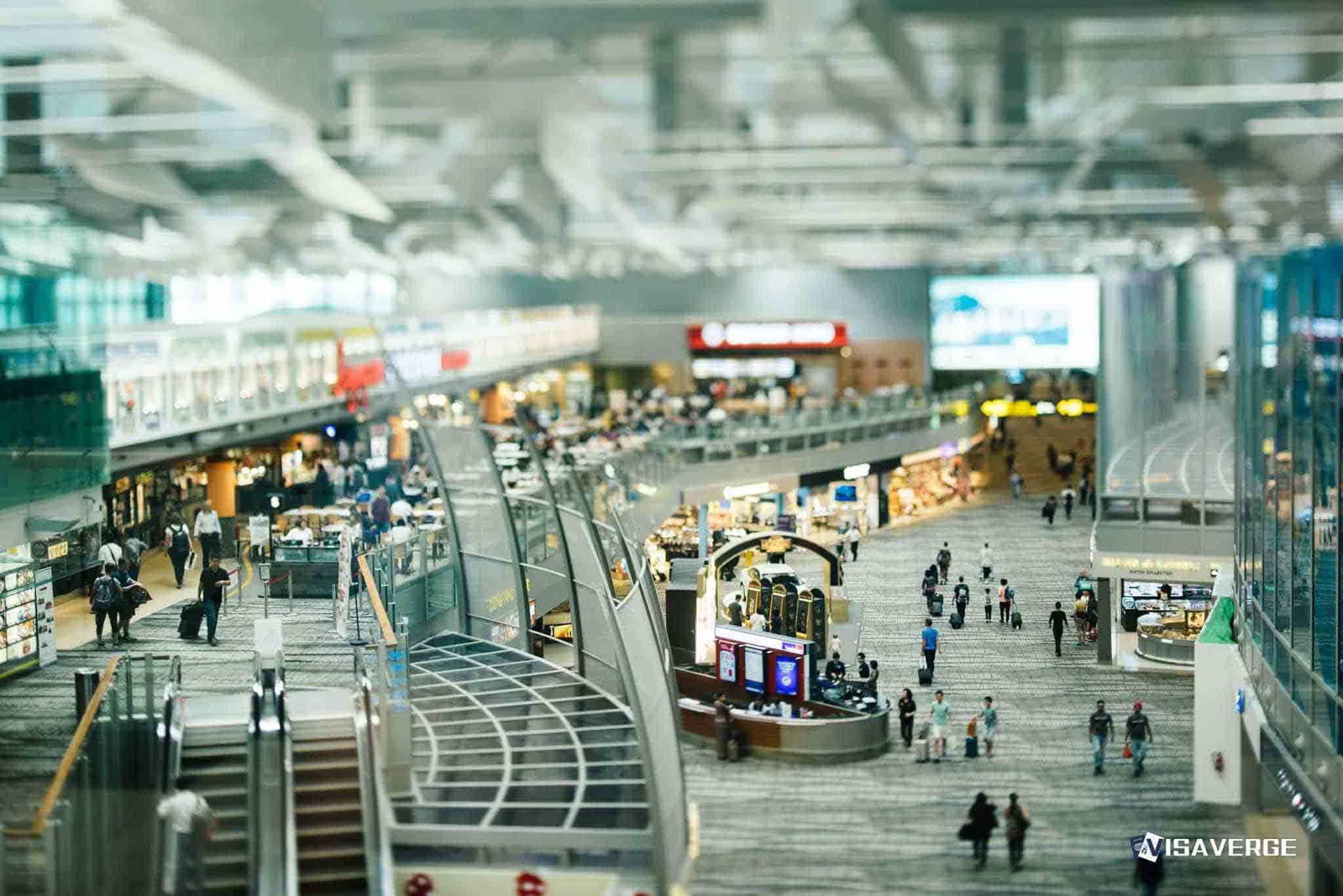
Tashkent International Airport finished a major terminal expansion in May 2025, lifting throughput to 2,400 passengers per hour, according to the airport. That upgrade, along with added arrival hall capacity, supports handling of larger aircraft and more frequent international flights.
Key figures and impacts:
- Tashkent handled 8.7 million passengers in 2024, a 28% year‑over‑year increase.
- Expansion makes it easier to accommodate widebodies at peak times, aiding check‑in, security, and immigration flow.
- Beijing Capital International Airport’s infrastructure and multiple runways make seasonal aircraft adjustments easier, helping keep schedules stable through winter.
These airport developments likely inform Air China’s fleet planning on the route.
Capacity, demand, and passenger planning for the months ahead
The Beijing–Tashkent route links two capitals with growing trade ties, project work, and academic exchange. Demand often rises around:
- Autumn travel peaks
- Winter holidays
- Start of academic terms
Airlines use equipment swaps to manage demand and operations:
- Swapping to a different widebody or higher‑density layout adds seats without extra flights.
- Changing aircraft family can simplify maintenance and crew planning.
- Adjustments during NW25 balance winter weather risks, runway performance needs, and long‑haul network priorities.
Practical advice for travelers:
- Build extra buffer into connections, especially for onward links in Central Asia, the Middle East, or East Asia.
- Families should reselect seats after any aircraft update if they require specific seat groupings.
- Business travelers should verify cabin details (power outlets, seat pitch) near departure.
- Students should reconfirm checked baggage rules tied to student fares if applicable.
Entry, transit rules, and related logistics
Entry and transit rules matter alongside airline changes. Confirm visa and entry steps early and recheck as travel dates approach—especially if your itinerary changes.
- Uzbekistan’s official e‑visa portal: https://e-visa.gov.uz
- If transiting a third country, verify transit rules for new flight times.
VisaVerge.com notes that when airlines adjust equipment or schedules, many travelers revisit travel‑document timelines—good practice when itineraries change.
Tashkent’s planned merge of arrival and departure terminals by 2026 could further influence airline aircraft choices. If passenger numbers keep rising through the winter, airlines may fine‑tune equipment month by month as bookings and maintenance events evolve.
Actions passengers can control
Focus on the elements within your control:
- Monitor your booking for schedule or equipment updates.
- Keep contact details current in the reservation to receive notices quickly.
- Print or download updated boarding passes after any reissue.
- Ask about change options or same‑day rebooking policies if you need flexibility.
- If holding separate tickets on other carriers, allow extra time between flights.
Booking, seat maps, and alternatives
Air China has not issued a statement detailing the replaced aircraft or the new model on the Beijing–Tashkent route. Typically:
- The airline’s booking engine and seat maps reveal active equipment as schedules firm up.
- If you booked through a travel agent, ask the agency to monitor schedule change messages and alert you if your seat selection no longer matches the cabin plan.
- If you booked directly, manage your reservation via Air China’s website or app and set flight alerts.
Uzbekistan Airways remains a nonstop alternative on the city pair. Some travelers compare both carriers’ schedules—especially when aircraft changes appear—because departure times and transit options can differ across the week. For complex itineraries, holding flexible backup options until seat maps are visible is a common strategy.
Final reminder: Check that your ticket name matches your passport, confirm entry documents for your route, and verify any transit permissions. An aircraft change doesn’t alter those rules, but timing shifts can affect visa timing or whether a transit crosses midnight. A few early checks make last‑minute gate changes manageable rather than stressful.
This Article in a Nutshell
Air China announced an equipment change for Beijing–Tashkent ahead of NW25; Tashkent’s May 2025 terminal expansion supports larger aircraft. Passengers must check bookings, seat maps, and baggage rules within 72 hours of departure.