(UNITED STATES) Airlines absorbed measurable hits during the 2018–2019 federal government shutdown, with lost revenue tied to air traffic controller shortages, flight delays, and cancellations that rippled through the peak holiday travel period and well into January.
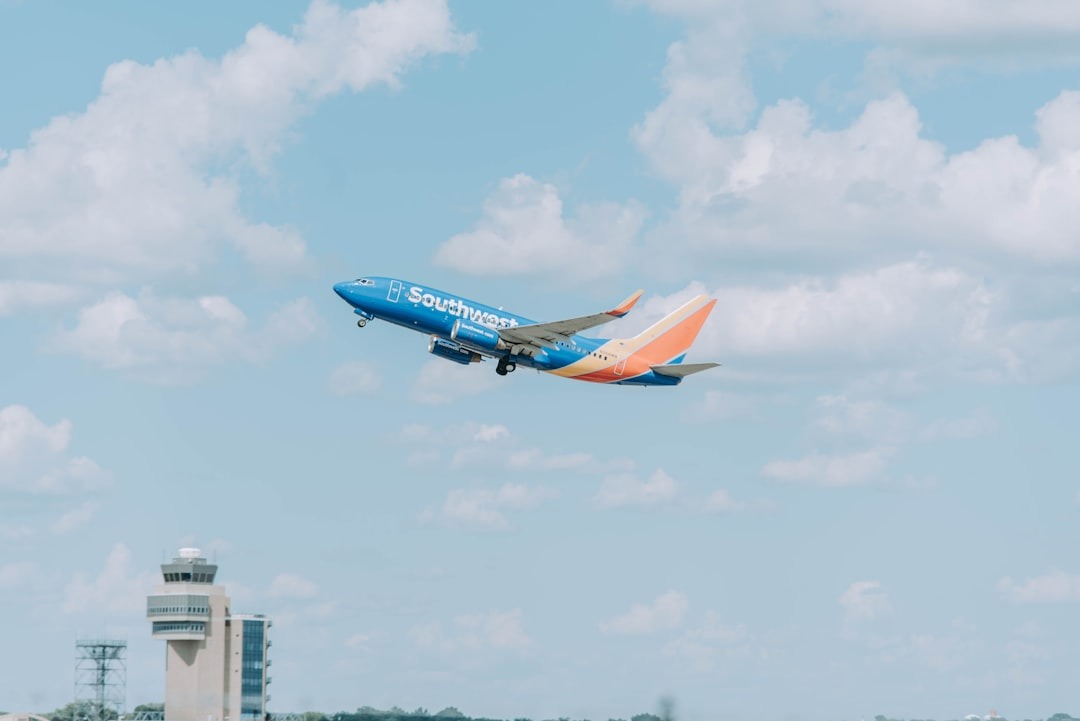
In that 35-day stretch from December 22, 2018, to January 25, 2019, industry estimates and company disclosures point to airlines losses that were material: Delta Air Lines said the shutdown cost it up to $25 million, and Southwest Airlines reported as much as $15 million. Analysts who reviewed the data said those figures came from comparing what actually happened to a model of what would have happened without a shutdown — the counterfactual approach airlines use to isolate shocks outside normal operations.
How the disruption happened
The mechanics behind the disruptions started at the front lines of aviation. The Federal Aviation Administration had to manage staffing gaps as air traffic controllers called out, a direct result of unpaid work and mounting strain.
This created bottlenecks at key chokepoints and slowed the flow of flights. Airlines adjusted schedules, canceled departures, and absorbed higher operating costs to keep planes and crews aligned. When even a small share of flights is removed from the schedule, revenue falls quickly, and passengers who can delay trips often do.
“When federal aviation staffing is unstable, the system slows, and the delays can cascade.”
Industry- and economy-level impacts
The fallout showed up in broader indicators:
- Passenger activity: U.S. air passenger activity fell by 1.2% in January 2019.
- Travel revenue: Air travel revenue dropped 2.8% the same month — unusual for a post-holiday month.
- Travel sector drag: Industry modeling estimated the shutdown’s direct and indirect drag on the U.S. travel sector at about $1.15 billion per month, or roughly $38 million per day.
These are conservative, mechanical numbers tied to fewer tickets sold and disrupted operations; they do not capture longer-term effects such as lost customer confidence or permanently deferred business trips.
Broader fiscal context
The wider macroeconomic picture tracked a similar pattern. The nonpartisan Congressional Budget Office estimated the overall cost of the 2018–2019 partial federal government shutdown at $11 billion, much of it concentrated during the period when agencies were closed and workers were unpaid.
Aviation played a visible role because the system depends on a steady flow of federal workers who keep airspace safe and efficient. When that system frays, airlines lose time and money, and travelers lose faith that their flights will run on schedule.
Company-level effects and why costs mount
Delta’s $25 million hit and Southwest’s $15 million shortfall occurred amid unusually complicated operations. Managers rerouted aircraft and crews, which raised costs even on flights that did depart.
Important operational dynamics:
- Cancellations create sunk costs and permanently lost revenue for many seats.
- Airlines often cut marginal flights first and protect core routes, softening some damage but not erasing it.
- Repositioning crews and aircraft increases overtime, hotel stays, and logistics costs.
Those operational realities mean headline loss figures for a government shutdown reflect both fewer passengers and more expensive workarounds.
Extrapolating to a longer shutdown
Using the 2018–2019 period as a baseline and applying proportional math to a hypothetical 43-day closure produces approximate projections:
| Item | 35-day actual | 43-day projection (approx.) |
|---|---|---|
| Delta losses | $25 million | $30 million |
| Southwest losses | $15 million | $18 million |
| Travel sector impact | $1.15 billion / month | ~$1.4 billion for 43 days |
These are simple proportional estimates — not precise forecasts. They depend on staffing severity, cancellation rates, and passenger response — but they give a historical sense of scale.
What this means for travelers and workers
The shutdown’s effects were concrete and immediate:
- Cancelled flights → overtime for crews, extra hotel nights for stranded travelers.
- Reduced passenger traffic → lost revenue for airport vendors and service providers.
- Some trips never returned; others moved to different carriers or later dates at lower fares.
Airlines may recoup some losses when travelers rebook, but many trips disappear or shift to lower-margin alternatives. So “temporary disruption” can understate the real and uneven damage.
How airlines modeled the impact
Inside airline finance teams, the published figures relied on before-and-after comparisons and estimated demand curves. The counterfactual baseline was built from booking trends, seasonal patterns, and standard load factors.
Steps in the approach:
- Build a baseline model of expected bookings and load factors.
- Compare actual activity during the shutdown to the baseline.
- Attribute shortfalls and extra operational costs to the shutdown.
This counterfactual method is common in aviation because it’s difficult to isolate one shock from others without modeling.
Policy and planning implications
The 2018–2019 shutdown — which unfolded during President Trump’s term — became a reference point for airline risk planning and travel forecasts. Contingency playbooks have been updated through President Biden’s tenure, reflecting that funding disputes can recur.
Key takeaway for limiting future losses:
- Stable federal staffing and timely funding reduce the rapid, measurable costs that show up on airline balance sheets and in travelers’ lives.
Final takeaway
The 2018–2019 shutdown put a price on uncertainty: millions of dollars in direct hits to major carriers and a measurable drag on aviation and travel demand. Extrapolating to a 43-day scenario reinforces the point with larger figures — roughly $30 million for Delta, $18 million for Southwest, and about $1.4 billion across the wider travel economy under similar conditions.
These outcomes show how quickly operational stress from federal staffing instability translates into financial losses and real disruptions for travelers, workers, and the broader travel-sector ecosystem.
This Article in a Nutshell
The 35-day 2018–2019 federal shutdown (Dec 22–Jan 25) disrupted U.S. aviation through air traffic controller shortages, causing delays, cancellations and higher operating costs. Delta and Southwest reported up to $25 million and $15 million losses respectively. Passenger activity fell 1.2% and travel revenue dropped 2.8% in January 2019. Industry models estimate a $1.15 billion monthly drag; proportional extrapolations to 43 days suggest larger losses. Stable federal staffing and timely funding are key to limiting such economic damage.