- Maryland lawmakers are considering House Bill 736 to lower excise taxes on spirits-based RTD cocktails.
- The proposed legislation would reduce the tax rate from $1.50 per gallon down to $0.60.
- Supporters argue the change corrects a major disparity between spirits-based drinks and beer-strength products.
(MARYLAND, USA) — Maryland lawmakers are weighing a major change to the state’s alcohol excise tax that would cut the levy on spirits-based ready-to-drink (RTD) cocktails if Maryland House Bill 736 becomes law.
The proposal matters because Maryland’s excise tax system taxes beverages based on product classification (spirits vs. beer/malt vs. wine), not just alcohol strength. That can create tax inequity when two products have similar alcohol-by-volume (ABV) but face very different excise rates.

For tax year 2026 (returns filed in 2027), this is not an income-tax rule change. It is a state excise tax issue. Still, it can affect business pricing, margins, and reporting for immigrants and visa holders who own, invest in, or work for alcohol brands, importers, and retailers.
Free toolSubstantial Presence Test CalculatorHB 736 is proposed legislation, not enacted law. No one’s Maryland excise tax obligations change unless the bill passes and a signed law sets an effective date.
Overview: What HB 736 would change (and why “spirits-based” matters)
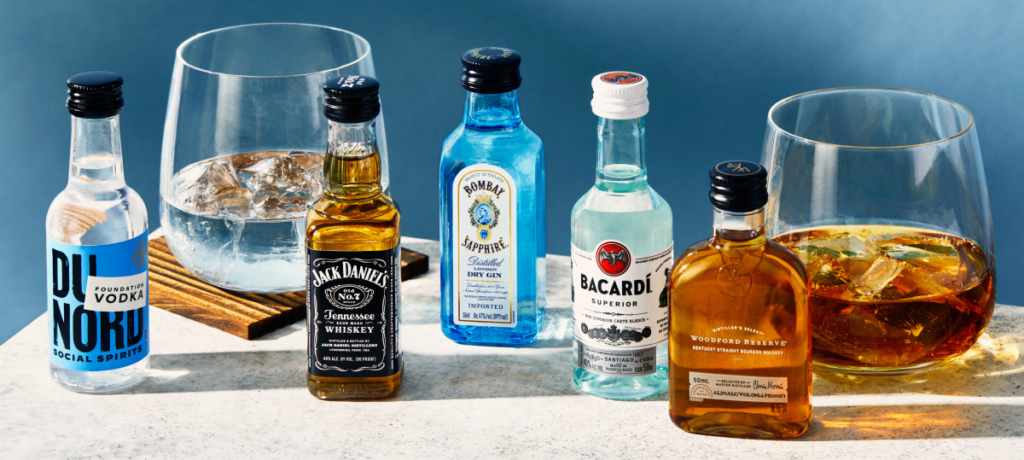
Spirits-based RTDs are canned or bottled cocktails made with distilled spirits (like vodka, tequila, rum, or whiskey) and mixed ingredients. They are different from “malt-based” canned cocktails that use fermented alcohol.
That distinction is the whole tax story. Under Maryland’s structure, a spirits-based RTD can be taxed as a distilled spirits product, even when its ABV resembles beer. That classification drives a much higher per-gallon excise tax.
HB 736 would lower Maryland’s excise tax rate on spirits-based RTDs, framing the change as rate alignment and an equity fix. The bill would cut the spirits-RTD excise rate from $1.50 per gallon to $0.60 per gallon, a 60% reduction (the tools in this article illustrate the exact dollar and percentage change).
⚠️ Warning: Because HB 736 is not yet law, businesses should not change tax accruals, pricing, or invoices until Maryland enacts a final bill with an effective date.
Before/After: Proposed Maryland spirits-RTD excise tax rate
| Item | Before (current law) | After (HB 736 proposal) | What changes |
|---|---|---|---|
| Maryland excise tax on spirits-based RTDs | $1.50 per gallon | $0.60 per gallon | Rate drops by 60% if enacted |
Current tax disparity in Maryland (why this shows up at checkout)
Maryland’s current structure creates a large spread across beverage categories:
- Spirits-based RTDs face the highest per-gallon excise rate.
- Beer and malt-based products face a much lower per-gallon excise rate.
- Wine sits between the two.
Even at about 5% ABV, a spirits-based RTD can be taxed far more heavily than a beer-strength product. In the source testimony supporting HB 736, the disparity was described as about 17 times compared with beer/malt products. The tools in this article show the exact per-gallon rates for spirits RTDs, beer/malt, and wine, and illustrate the “17×” relationship.
This difference can shape real business decisions:
- Shelf pricing pressure: Higher excise tax can push a product’s wholesale cost up.
- Margin compression: Producers and retailers may absorb some of the tax to stay competitive.
- Distribution choices: Brands may prioritize states where the category’s tax treatment is closer to beer or wine.
- Product launch feasibility: A new RTD SKU may not pencil out if taxes are out of line with comparable ABV products.
It also explains why “similar ABV” does not mean “similar tax.” Maryland taxes based on what the beverage is (spirits vs. malt vs. wine), not only how strong it is.
Legislative support and testimony: Who is backing HB 736 and what they argued
The Distilled Spirits Council of the US (DISCUS) testified in favor of HB 736 before the Maryland House Ways and Means Committee on February 17, 2026.
DISCUS framed the bill as a correction to category-based tax inequity. In committee testimony, DISCUS argued that lowering the rate would support jobs and consumer choice, and that there is no policy rationale for rules that restrict competition in a fast-growing product segment.
Support also came from smaller Maryland producers. Monica Pearce, co-founder of Tenth Ward Distilling Company in Frederick, testified that the current structure disadvantages small distilleries. She noted that her spirits-based RTDs are in a moderate ABV range, while some beers are higher ABV yet face far lower excise tax.
Those themes matter for immigrant founders and investors. Many spirits brands are built by first-generation entrepreneurs. The excise structure can affect whether a small producer can afford to enter the RTD market at all.
Industry context: How Maryland fits into broader state policy and “tariff” cost pressures
Across the country, states have taken different approaches to spirits-based RTDs. DISCUS told lawmakers that 25 states already apply lower tax rates for lower-ABV spirits-based products. DISCUS also cited survey results indicating that a large share of craft distillers avoid making spirits RTDs because higher taxes create a barrier to entry. Maryland has a meaningful craft distilling footprint, so the stakes are not theoretical.
Tariffs and trade costs add another layer, especially for brands using imported spirits or packaging inputs. While tariffs are federal, not state, they can still hit landed cost and cash flow. When combined with a high state excise rate, a brand may face stacked cost increases before a product reaches a Maryland shelf.
For immigrant-owned businesses that import ingredients or finished spirits, it is worth separating:
- Federal customs duties (tariffs) at import,
- Federal alcohol excise taxes (generally administered through the Alcohol and Tobacco Tax and Trade Bureau),
- Maryland excise taxes at the state level,
- And standard income and payroll taxes.
Practical impacts: Who is affected and what could change if HB 736 passes
1) Small producers (including immigrant founders)
A lower spirits-RTD excise rate could reduce tax-driven barriers to launching a new RTD line. It may also allow more experimentation with flavors and package sizes. It does not guarantee lower retail prices. It changes one input cost.
2) Larger brands
Larger producers may expand Maryland offerings or allocate more marketing dollars to spirits RTDs. Category growth could also shift competitive dynamics with malt-based RTDs.
3) Distributors and retailers
If the tax rate drops, distributors and retailers may revisit:
- Assortment and planograms,
- Contract pricing and promotional calendars,
- Inventory ordering around the effective date.
4) Consumers
Consumers could see broader selection. Any price movement depends on how savings are shared across the supply chain.
5) State revenue administrators
Revenue effects are ambiguous. A lower rate can reduce per-unit collections, but higher volume can offset some losses. Legislators often look for a fiscal note and early sales data after implementation.
? Tax Tip: If you run a spirits business, separate excise tax entries from sales tax and income tax. Clean books help when rates change mid-year.
Transition rules: What to watch for if Maryland enacts the bill
HB 736’s text (as it moves through the process) will matter as much as the headline rate cut. Excise tax laws often include transition details such as:
- Effective date language (for example, upon enactment vs. a future date).
- Whether the new rate applies to sales, shipments into the state, or removals from bonded inventory, depending on Maryland’s administration rules.
- Inventory and invoicing treatment for products in transit or sitting in warehouses when the rate changes.
- Any reporting updates for wholesalers and retailers.
Until the final law is signed, businesses should assume current rates remain in force.
Next steps and timeline: What happens after committee testimony
After the February 17, 2026 committee testimony, the typical path is:
- Committee work session and committee vote.
- Potential amendments, then floor action in the House.
- Movement to the other chamber for committee review and votes.
- If both chambers pass the same version, it goes to the governor for signature.
- Agencies then publish guidance on implementation and compliance.
? Deadline Alert: Build a “rate-change” checklist now (pricing, ERP tax tables, distributor notices). Execute it only after a signed bill confirms the effective date.
Tax and compliance reminder for immigrants and visa holders
If you own or manage a Maryland alcohol business, this state excise change can flow into federal reporting:
- Excise taxes and fees generally affect your business books, then your federal return (for example, Schedule C (Form 1040) for sole proprietors, or corporate/partnership returns).
- Keep documents supporting inventory costs and tax accruals.
- For federal individual filing rules tied to immigration status, see IRS Publication 519 at https://www.irs.gov/pub/irs-pdf/p519.pdf.
- For IRS forms and instructions, use https://www.irs.gov/forms-pubs.
- For international taxpayer guidance (residency, treaty basics, reporting), start at https://www.irs.gov/individuals/international-taxpayers.
Recommended actions (now through enactment)
- Track HB 736’s movement and any amendments that change the effective date or scope.
- Do not reprice products or change tax accruals until a signed law sets the new rate.
- Prepare internal accounting updates for a mid-year change, including inventory timing and distributor communications.
- If you are an immigrant entrepreneur with cross-border owners, confirm how excise tax changes affect profitability and partner allocations.
- Consult a CPA familiar with alcohol excise and multi-state compliance if you sell into multiple states.
⚠️ Disclaimer: This article is for informational purposes only and does not constitute tax, legal, or financial advice. Tax situations vary based on individual circumstances. Consult a qualified tax professional or CPA for guidance specific to your situation.