- HMRC reports UK alcohol duty receipts fell by £285 million in the 2025-2026 financial year to date.
- The spirits category experienced the most significant decline, dropping 7% following substantial tax hikes.
- Industry experts suggest higher duties reduce consumption and shift consumer buying patterns across the country.
(UK) — HM Revenue & Customs reported that UK alcohol duty receipts fell by £285 million (4%) to £7,010 million in the provisional 2025-2026 financial year to date from April to October 2025, compared with the same period a year earlier.
The decline in HMRC data comes despite higher duty rates introduced in recent years and lands as the Treasury watches consumption trends that can quickly alter tax takings and industry expectations.
Free toolSubstantial Presence Test Calculator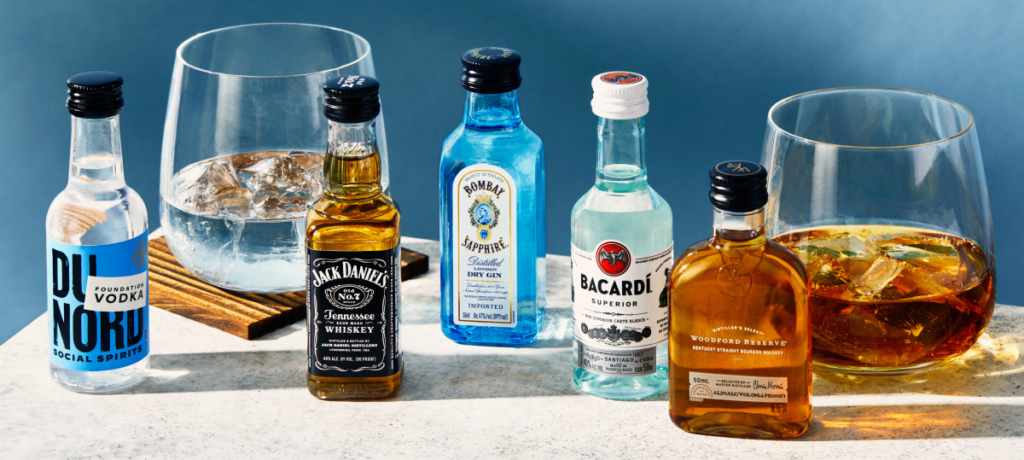
Spirits drove the biggest drop among the main categories, with receipts down £156 million (7%) to £2,156 million between April and October 2025.
Wine and other fermented products fell £100 million (4%) to £2,588 million over the same period, while beer dropped £59 million (3%) to £2,091 million.
Cider moved the other way, rising £30 million (21%), a shift that stood out in percentage terms even as it remained smaller than beer, wine and spirits in cash terms.
Taken together, the category mix shows where receipts weakened most, with spirits and wine accounting for the bulk of the overall fall, while beer also slipped.
HMRC’s breakdown highlights how changes in pricing, consumption patterns and the timing of duty payments can pull total receipts lower even after duty rate increases.
The spirits figures also reflect the effect of earlier policy decisions, with spirits receipts down £156 million (7%) to £2,156 million following a 17% duty increase since 1 August 2023.
Separate HMRC figures extending the window suggest the softness in spirits revenue persisted beyond October. Spirits receipts for April 2025 to January 2026 fell £154 million year-on-year to £3.39 billion.
That longer run of data points to a sustained year-on-year decline for spirits through January 2026, in line with industry claims that higher duties can reduce volumes and shift what people buy.
Receipts can also move for reasons other than consumption. HMRC linked the declines in beer, spirits and wine to traders clearing more stock ahead of the February 2025 duty increase, which then depressed receipts in subsequent months.
In its explanation, HMRC pointed to the timing effect: more clearances ahead of the rise meant lower receipts later, including in months like March through May.
Industry leaders have tied the same pattern to demand and pricing pressure. Miles Beale, chief executive of the Wine and Spirit Trade Association (WSTA), argued higher duties drive up prices, reduce sales and cut revenue despite rate hikes.
Beale described the November 2025 Budget announcement as a “death by a thousand cuts.”
WSTA also framed the trend on a year-to-date basis, reporting total receipts down 1.4%, with spirits hardest hit at 2.4%.
If the trends hold, WSTA said annual totals could reach £12.4 billion, £180 million below projections, a gap the industry has used to argue that higher rates do not automatically translate into higher receipts.
The government’s independent forecaster has a different benchmark for the full year. The Office for Budget Responsibility (OBR) forecasts £11.9 billion for 2025-26 overall.
The difference between projections and outcomes matters for budget planning, because alcohol duties are sensitive to both consumer behaviour and how businesses time stock clearances around rate changes.
Recent policy milestones help explain why timing has become more central to how HMRC data gets read in the sector.
On 1 August 2023, the government implemented initial hikes including 17% on spirits and expanded Draught Relief, with beer and cider relief rising from 5% to 9.2% and wine and spirits relief moving from 20% to 23%.
The 2023 changes also set specific rates in some bands, including £24.77 per litre of alcohol for spirits and wine (3.5-8.5% ABV), restructuring how different products faced duty and altering incentives between categories.
From 1 February 2025, duties linked to the Retail Price Index (RPI), embedding inflation indexing into the system and making uprating expectations part of how producers and retailers manage pricing.
As of 1 February 2026, effective now, all rates uprated by RPI at 3.66%, a change that can feed through into retail pricing and influence purchasing patterns and duty timing.
The uprating pushed beer (3.5-8.5% ABV) to £22.58 per litre of alcohol and spirits and wine (3.5-8.5% ABV) to £26.61, illustrating how even modest percentage increases translate into higher duty per unit.
The government said the 1 February 2026 uprating aims to maintain real-terms value while balancing industry and harm reduction goals.
Even with RPI linkage in place, receipts still depend on both the rate and the volume cleared for sale, and HMRC’s stock-clearance explanation shows how behaviour around upratings can shift receipts across months.
Attention now turns to the next official update to test whether the declines seen through October and the spirits fall through January persist.
HMRC releases its next quarterly data, covering November 2025 to January 2026, on 27 February 2026, a publication that will add fresh months of receipts under the post-February 2025 timing dynamics and ahead of the new uprated rates taking effect in February 2026.