- A new $1,000 processing fee is now required for Diversity Visa principal applicants during the interview stage.
- The policy mandates $500 for derivative family members, making the lottery process significantly more expensive for families.
- Visa processing for 75 high-risk countries remains on indefinite pause, complicating path for many lottery winners.
(UNITED STATES) — President Trump signed the One Big Beautiful Bill Act into law on August 15, 2025, adding a $1,000 Diversity Visa Processing Fee that took effect October 1, 2025, for Diversity Visa applicants who reach the immigrant visa interview stage.

The new charge applies under Section 70015 of H.R.1 and requires $1,000 per principal applicant and $500 per derivative family member. Applicants must pay it at the immigrant visa interview at a U.S. embassy or consulate, not upon U.S. entry or earlier DS-260 submission.
That fee is non-refundable, even if an applicant is denied at interview. For many families, it adds to existing visa costs and document expenses at a point when cases already face tighter screening and slower movement.
The law arrived after a close vote in Congress. The House passed it on May 22, 2025, in a 215-214 vote, and the Senate cleared it on July 28, 2025, by a 51-49 vote before Trump signed it weeks later.
Trump championed the measure as his “big beautiful bill.” The legislation tied immigration fee increases to a broader enforcement package that funds barriers, removals, and personnel growth across the federal system.
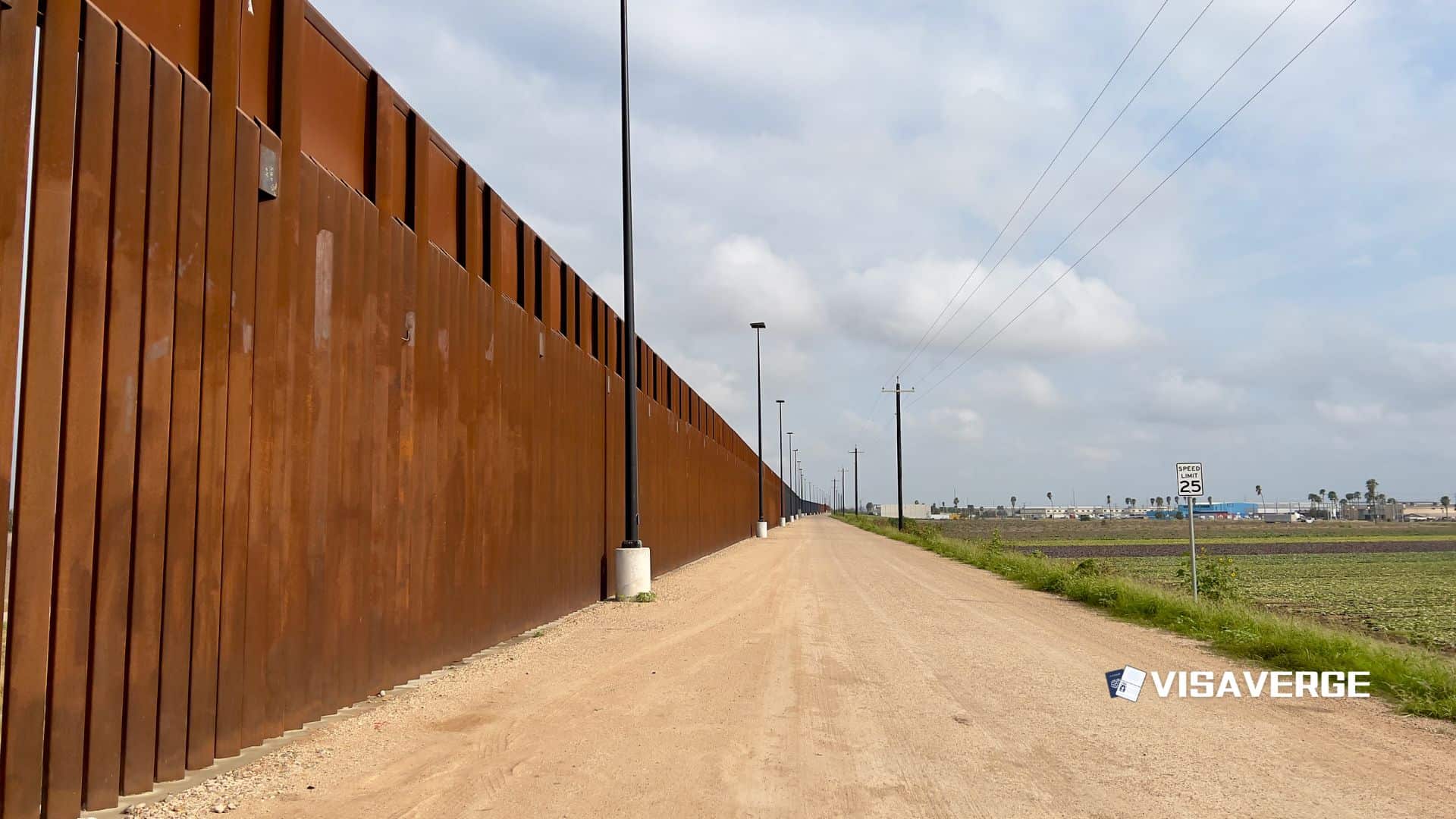
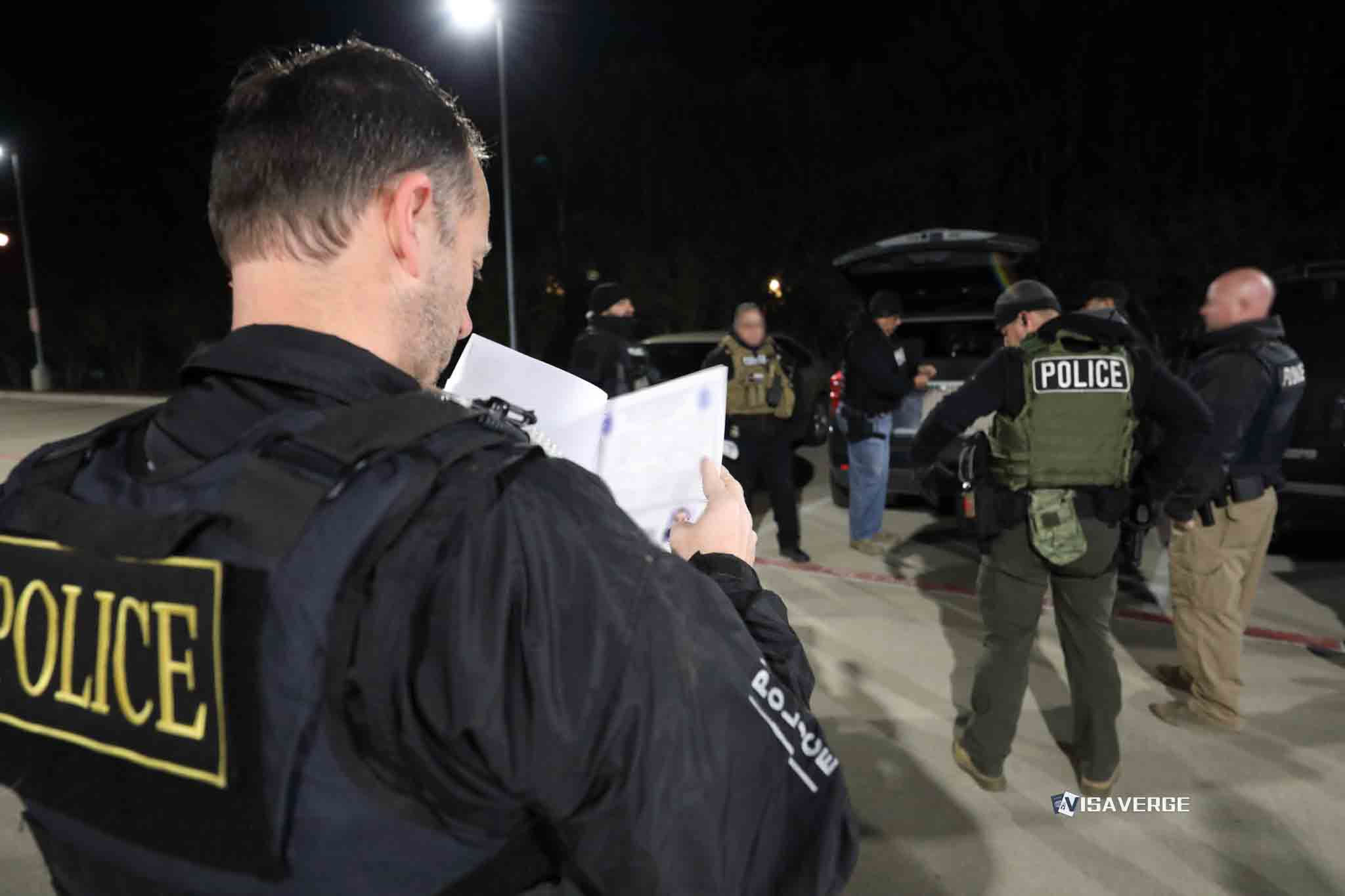
Under the law, the government allocated money for 701 miles of primary border wall, 900 miles of river barriers, 629 miles of secondary barriers, and 141 miles of vehicle and pedestrian barriers. It also mandates 1 million annual removals, hires 10,000 new ICE personnel, 5,000 customs officers, and 3,000 Border Patrol agents, and broadens deportation grounds for crimes including domestic violence and sex offenses.
By April 2026, those provisions were fully operational. ICE was expanding 287(g) programs for local law enforcement collaboration, while sanctuary jurisdictions faced funding cuts under the act.
DHS reports said the fee structure in Sections 70001-70023 under “Immigration Fees” generated over $2.5 billion in revenue in its first six months. The money directly supports the enforcement initiatives laid out in the law.
For Diversity Visa applicants, the change reaches a program that still offers up to 55,000 immigrants annually a chance at permanent residency through random selection from low-admission countries. The fee applies to all DV-2027 and later winners scheduling interviews after October 1, 2025.
Payment takes place online through the National Visa Center portal 30-60 days before the interview using a credit card or bank transfer. Applicants must bring receipts to the consulate.
The law also carves out limited exceptions. The fee is waived for asylees and refugees adjusting status under a Section 70002 cross-reference, for unaccompanied minors under special juvenile status under Section 70005, and for TPS holders from designated countries under Section 70006.
Some applicants in humanitarian parole cases can receive fee reductions to $250 under Section 70004. The law does not provide broad low-income waivers.
The new fee took hold as the administration tightened access in other parts of the immigration system. An indefinite immigrant visa pause for nationals of 75 countries began January 21, 2026, halting green card issuances, including Diversity Visa cases, for affected applicants in family- and employment-based categories.
Proclamation 10998, issued in December 2025, expanded earlier restrictions under Proclamation 10949. It affected 19 countries with total entry suspensions and imposed partial restrictions on others including Cuba and Venezuela.
The list of affected countries cited in the policy included Afghanistan, Iran, Yemen, Syria, Haiti, and Somalia. Diversity Visa winners from paused countries face indefinite delays, with no timeline for resumption as of April 2026.
For applicants from countries not covered by the pause, the message is different but still demanding. Winners from eligible countries, including most of Europe and Africa outside the bans, still must budget for the interview-stage payment and prepare for closer scrutiny.
The April 2026 Visa Bulletin showed advancement in unrelated family and employment categories because reduced demand from restricted nations freed space elsewhere. Diversity Visa processing, however, remained capped at 55,000, with no bulletin retrogression yet but warnings of possible future holds.
That mix of movement and restriction has shaped the environment for the DV-2027 cohort, whose entry period closed in 2026. Their cases now move forward under a law that raised costs while layering on new enforcement measures.
The Diversity Visa fee is one part of a wider schedule of increases. Under Section 70002, asylum applications carry a $1,200 filing fee effective October 1, 2025.
Section 70003 raised Employment Authorization Document fees to $750 and shortened validity to 18 months for more frequent re-vetting. Section 70008 added a $250 surcharge on most nonimmigrant visas starting January 1, 2026, and Section 70009 imposed a $50 electronic issuance fee for Form I-94.
Those added charges drew political criticism as the bill moved from Congress into implementation. Democrats decried fees as “barriers to justice,” while President Trump said the law would eliminate “waste, fraud, and abuse.”
Advocates warned that the higher costs could reduce participation in legal pathways, including the visa lottery. Entries for DV-2027 dropped 15% year-over-year.
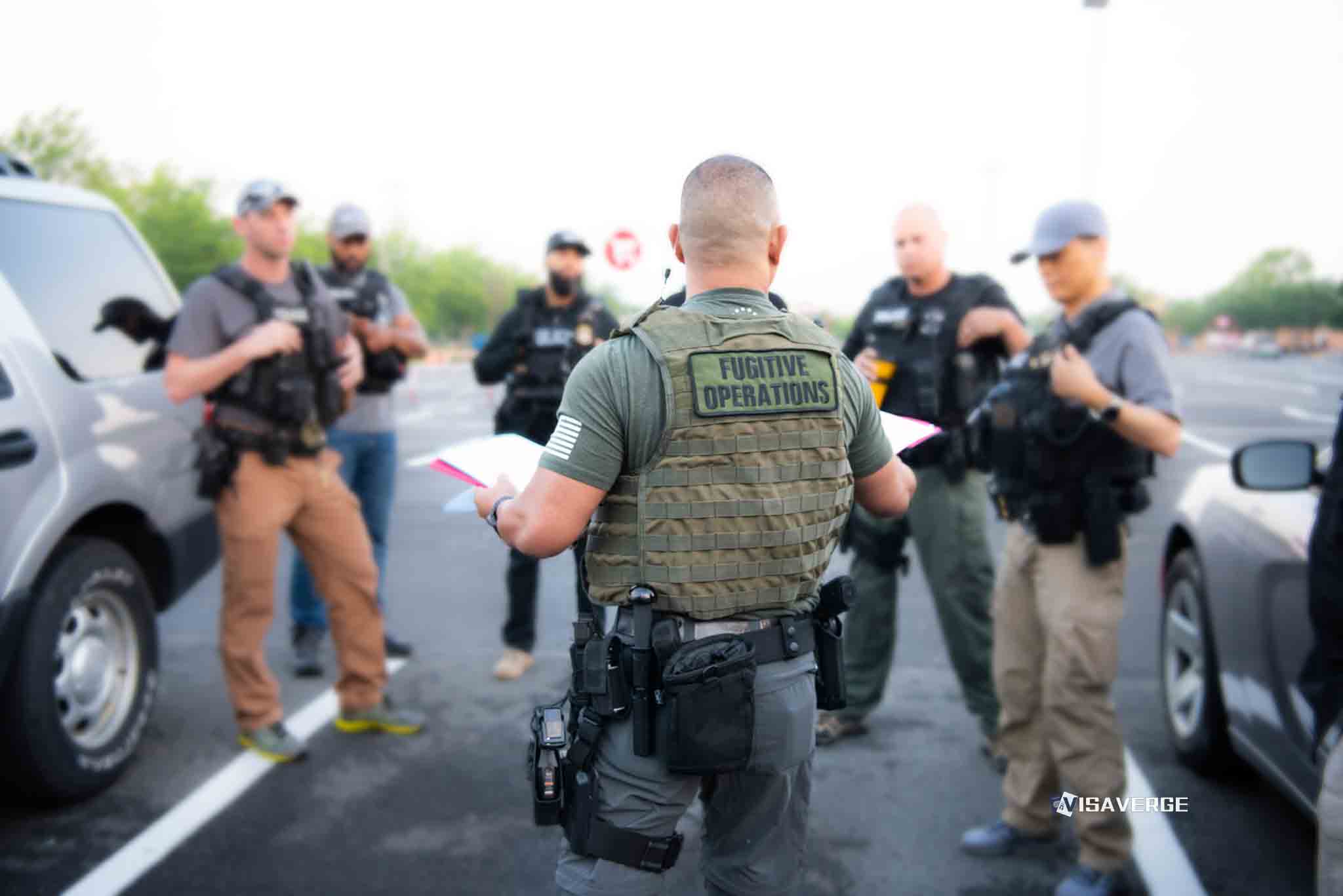
The administration’s enforcement push also accelerated outside the visa process. Deportations reached 850,000 in FY2025 and were on pace for 1 million in FY2026.
Operations such as “Catch of the Day” targeted interior enforcement, and expedited removals expanded nationwide. The law also imposed H-1B reforms, including a $100,000 fee for new overseas petitions and wage-based lotteries.
Public benefits changed as well. The act cut Medicaid for 1.4 million undocumented immigrants and imposed stricter work requirements for SNAP and Medicaid, affecting tens of thousands in states such as Pennsylvania.
For Diversity Visa applicants, the practical effect is simple and expensive. A principal applicant now faces the $1,000 Diversity Visa Processing Fee on top of the standard MRV fee of $325, while each derivative family member faces $500.
That means total family costs can exceed $3,000 before travel and medical expenses are added. Applicants must save receipts because non-payment voids interviews.
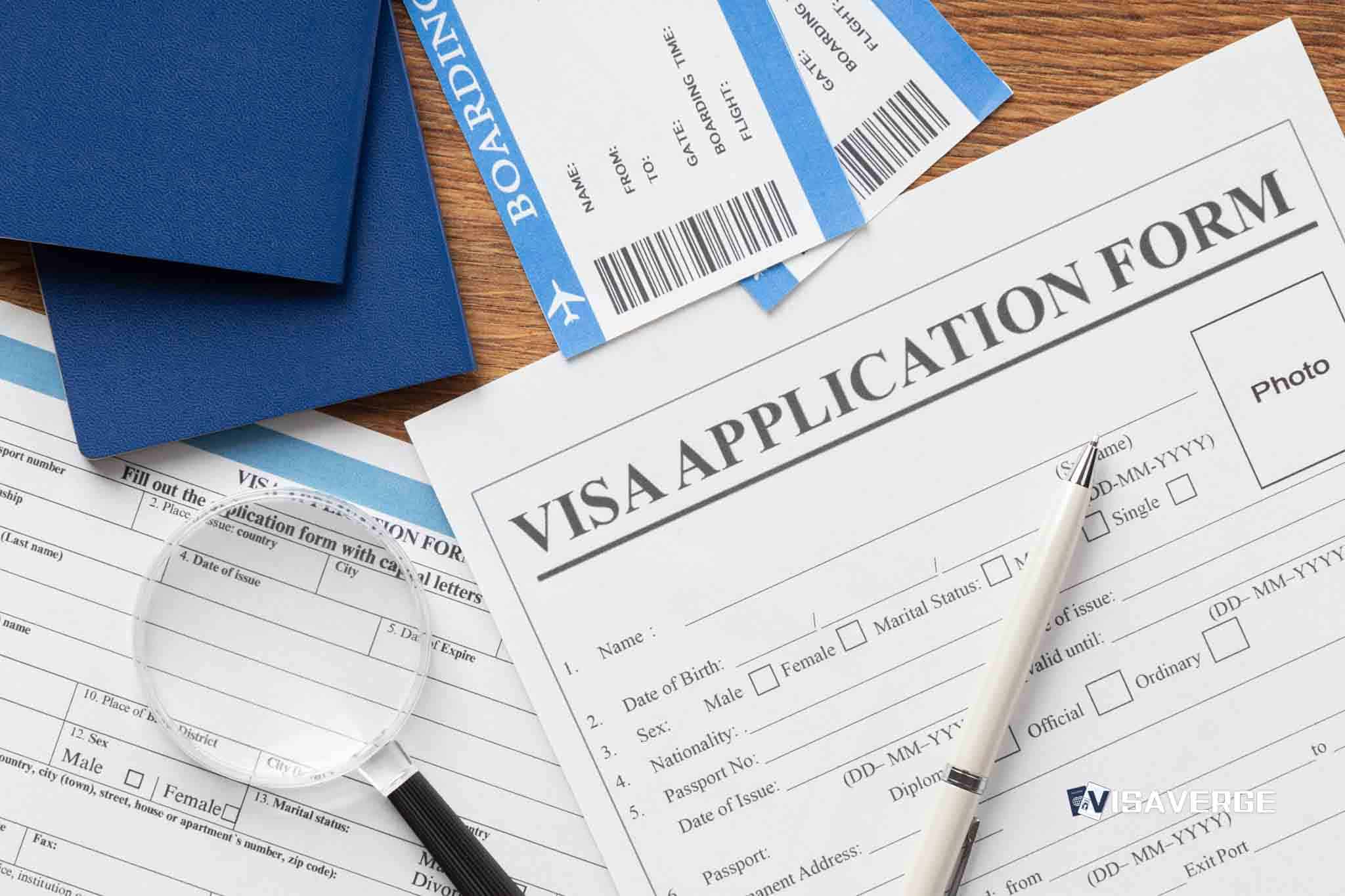
The law’s practical guidance for winners centers on timing and preparation. Applicants are expected to update DS-260, gather police certificates, and complete medical exams before the interview stage.
Adjustment applicants can use the Dates for Filing chart, which USCIS honors in April 2026. The law also encourages prompt scheduling because backlogs persist despite the bulletin advances.
Applicants from countries covered by the visa pause were directed to monitor for any resumption. Those outside the pause still face enhanced screening, including at the port of entry, though the law says there is no additional fee at entry.
After arrival, new entrants are advised to apply for a Social Security number and state identification within 10 days. The law also noted that Diversity Visa holders can work immediately upon entry, though shortened EAD validity affects derivatives.
The longer-term picture remains uncertain for later applicants. For DV-2028 entrants, whose application window opens in October 2026, the fee will remain part of the process from the outset.
The Diversity Visa program has existed since 1990 and has admitted over 1 million winners. Supporters of the new fee say it covers processing costs, while advocacy estimates say it could shrink applicant pools by 20-30%, especially among lower-income applicants from poorer countries.
That pressure arrives alongside what the policy describes as 2026 visa droughts for nationals of 75 high-risk countries and expanded social media vetting for K-1 and other categories. Legal immigration halved year-over-year under that broader climate.
Lawsuits challenging the visa pause are continuing in New York federal court. At the same time, bulletin warnings have pointed to possible retrogressions if demand spikes before FY2026 ends on September 30.
For now, the rule for Diversity Visa winners is fixed. The interview no longer means only proving eligibility; under the One Big Beautiful Bill Act, it also means arriving with proof that the new fee has been paid.
That change is narrow on paper but wide in reach. For applicants from unaffected countries, the lottery still offers a path forward, but one that now carries a mandatory charge at the gate while visas for nationals of 75 countries remain on indefinite pause.