


What to Do When Your SEVIS is Terminated: DSO SEVIS Termination Help
If your SEVIS is terminated, seeking help from a DSO is crucial. Find out what steps to take…

Working Remotely in Canada on TN Visa: Guidelines and Telecommuting Rules
Yes, it is possible to work remotely in Canada on a TN visa. However, there are specific rules…
Traveling with H1B Visa and Applying for Green Card: What You Need to Know
Wondering if you can travel outside the US with an H1B visa while applying for a green card?…

Why Employees Quietly Quit: Reasons for Quiet Quitting at Work
Quiet quitting, or silently leaving a job, is a growing trend. Discover the reasons behind this phenomenon, why…

Navigating TN Status Concerns: Should TN Visa Holders Proceed with a PERM Application for Green Card?
Considering TN status concerns and the immigration intent, green card application may have consequences on TN visa renewal.…

Green Card EB-2: What to Do When OPT Expires During Application Process
Wondering what to do when your OPT ends while your Green Card (EB-2) application is pending? Read on…

UGMA vs UTMA: Comparison Guide and Tips for Choosing the Right Account
Looking to choose between UGMA and UTMA accounts? This UGMA UTMA comparison guide outlines the key differences, pros,…

Dual Citizenship: Do Foreign Countries Check for Dual Nationality during Immigration?
During immigration checks or visits abroad, foreign countries may be aware of your dual citizenship. Find out the…
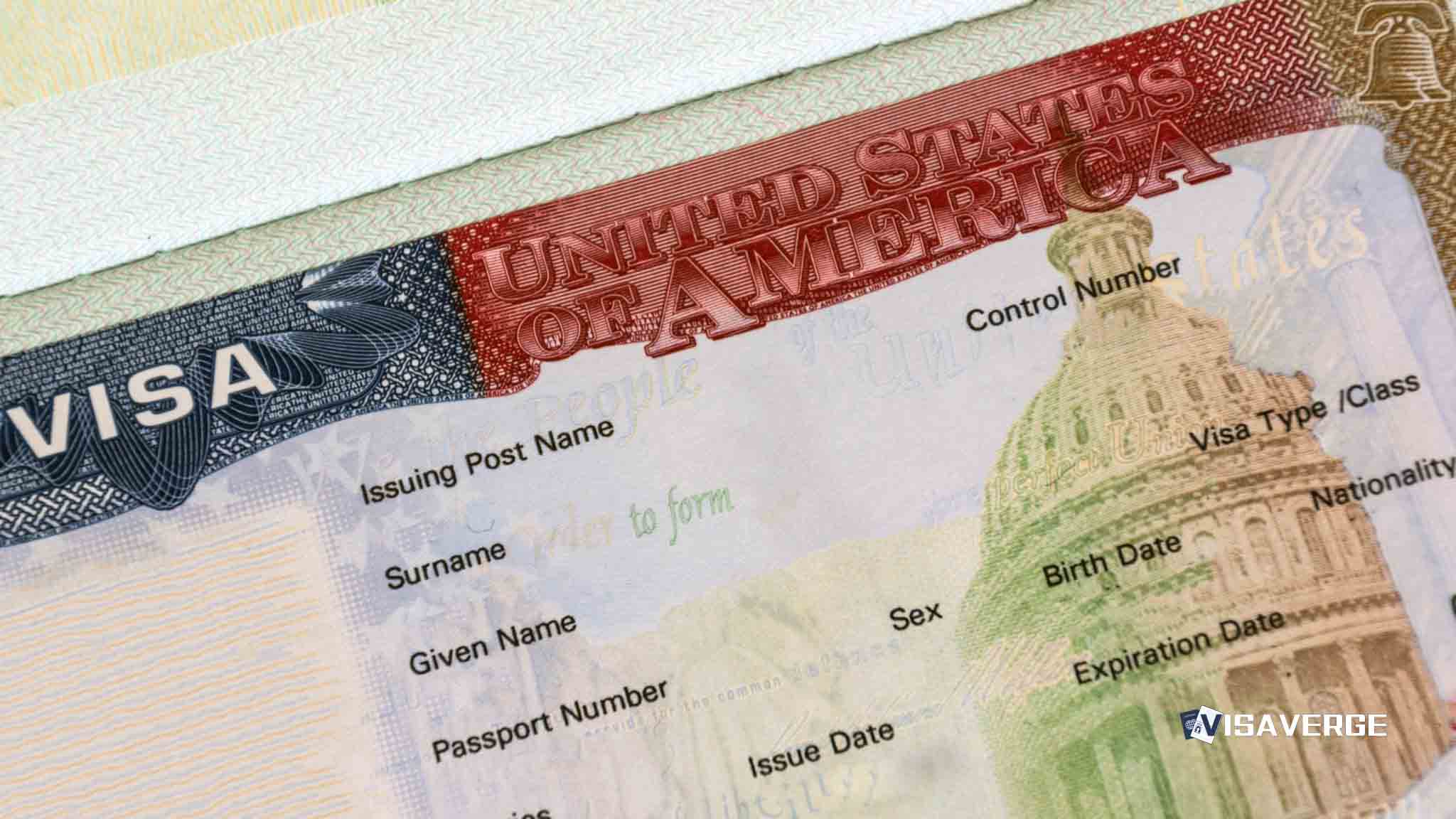
Reciprocity Fee Exemption: How to Get Waived from Non-immigrant Visa Issuance Fees
Reciprocity Fee Exemption (Non-immigrant Visa Issuance Fee Waiver): Learn how to get exempted from visa reciprocity fees. Find…
How to File a FOIA Request with USCIS: Step-by-Step Guide for Online Filing
Learn how to file a FOIA request with USCIS by following this step-by-step guide. Discover how to file…
Working Part-Time in Canada on a H1B: Will it Violate H1B Work Restrictions?
Curious about H1B work restrictions? Find out if working part-time in Canada while on an H1B visa in…

The Impact of Cannabis Industry Employment on Good Moral Character for Immigration
Working in the Cannabis Industry may impact your 'Good Moral Character' for immigration, potentially affecting your chance of…

Adjustment of Status for F3 Visa: Interview in India or AOS in the US?
Can F1 OPT visa holders file for Adjustment of Status (AOS) for F3 visa interviews or do they…

Spousal PR Application in Canada: Choosing the Right Subcategory for Family Class Sponsorship
When applying for spousal PR in Canada, it's important to choose the correct subcategory. Should it be "Spouse…