


Applying for an H1B Visa After Switching from F1 to TPS Status
TPS holders can apply for an H1B visa to work in U.S. specialty occupations. Transitioning requires careful planning,…
H1B Visa Entry: Is Landing in a Different State an Issue?
H1B visa holders can enter the U.S. through any port of entry, not just where their employer is…
H1B Extension Denied by Employer: What Are Your Options?
Facing an H1B visa expiry without company support for extension means exploring alternatives like finding a new sponsor,…

H1B Travel Risks: Dangers of Traveling Before I797A Receipt
Traveling on an H1B visa without an I797A form risks invalid visa status and re-entry challenges. It's crucial…

Unlock Day 1 CPT Secrets: How It Works & What You Must Know!
The Day 1 CPT program allows F-1 visa students in the U.S. to work in their study field…

Starting an LLC with an H4 EAD Status: What You Need to Know
Wondering if a H4 EAD holder can open an LLC? Learn about the process and opportunities for starting…

Deportation Risk for Illegal Immigrants with Misdemeanor Charges
Illegal immigrant deportation policy allows for removal on misdemeanor charges, raising concerns over the implications of such actions…

Exit Trafficking Explained: How to Report and Prevent It
Exit Trafficking is a dangerous form of trafficking wherein victims are exploited during their travel process. To address…
7th Year H-1B Extension with Pending PERM: A Step-by-Step Guide
Learn how to extend your H-1B visa for the 7th year while awaiting your PERM application for over…
Options for Applying Citizenship After a Visa Overstay
Learn about immigration options for Visa Overstay and applying for Citizenship. Understand the process and requirements for a…
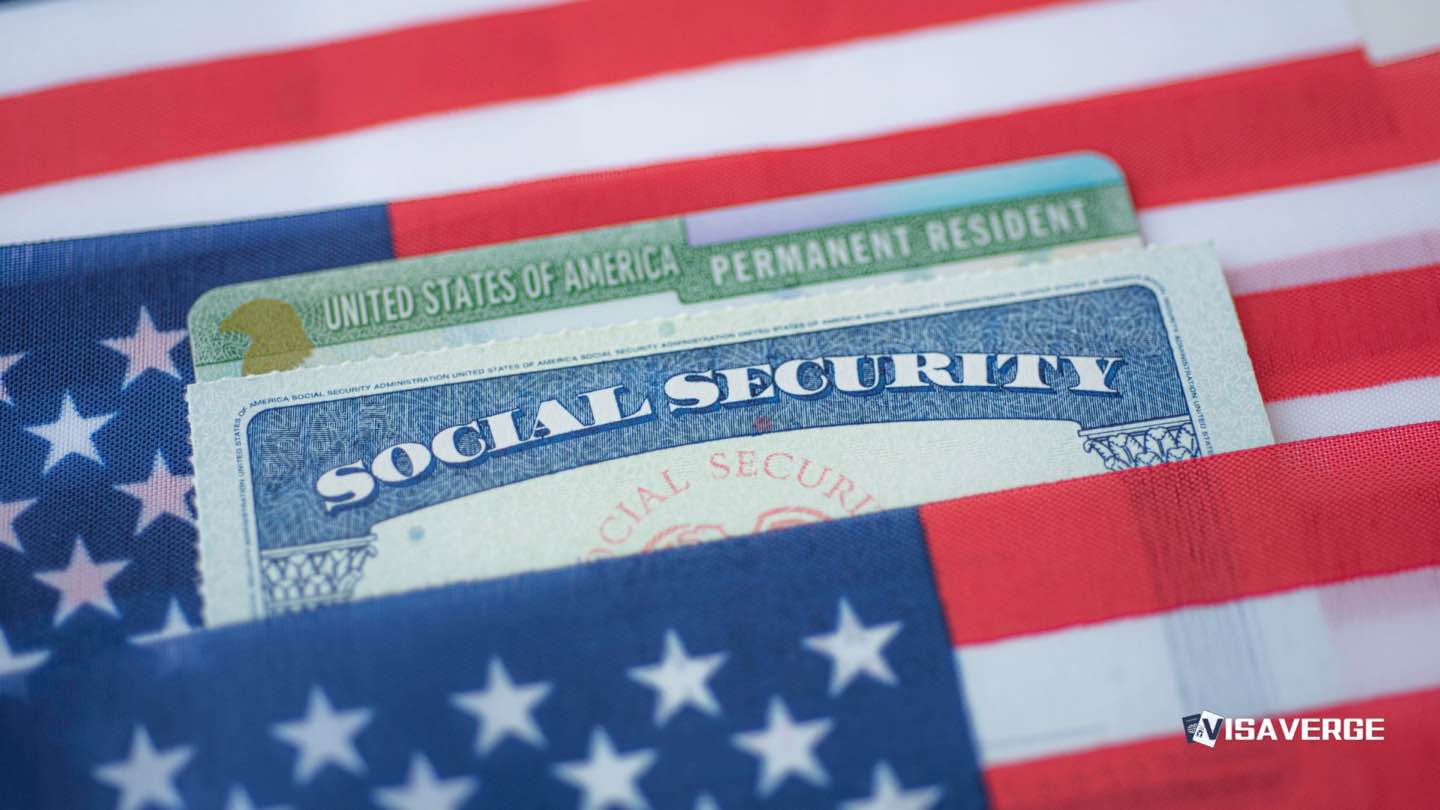
Get Your American Child’s SSN After Foreign Parent’s SSN? Must-Know Tips!
To streamline the process, it is advisable to obtain the SSN for the foreign parent first before applying…

OPT Employment Rules: Can You Be a Paid Research Assistant on OPT?
OPT enables F-1 students to gain U.S. work experience relevant to their studies, such as paid research assistantships.…
CR1 Visa Biometrics: Are They Required After Entering the U.S.?
In April 2025, new USCIS biometrics rules clarify that most CR1 visa holders don’t need new biometrics unless…
Does 60-Day Non-Employment Rule Affect EB2-NIW Applicants?
The EB2-NIW, updated for 2025, gives skilled professionals career flexibility for U.S. residency but demands robust evidence and…