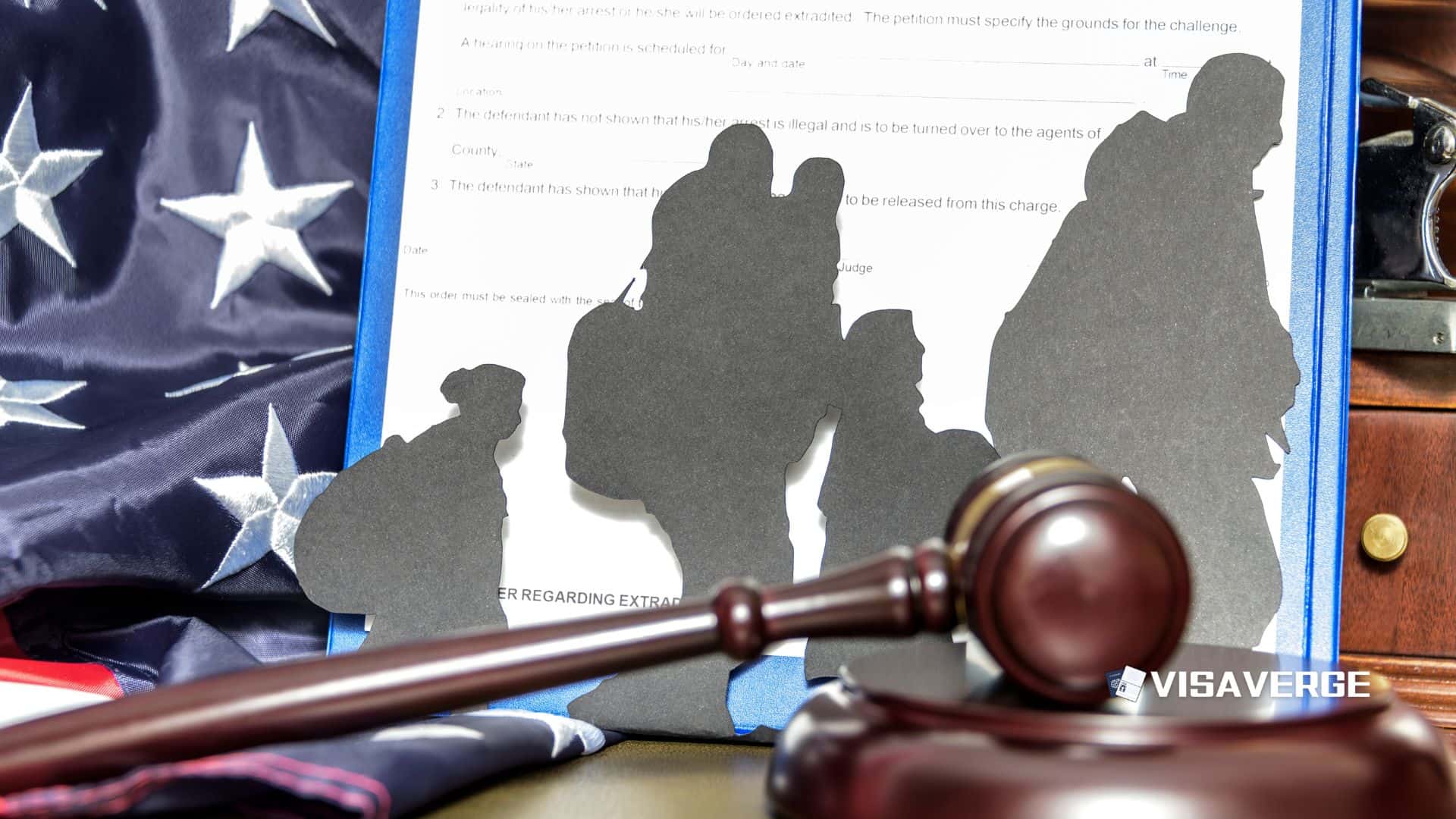
Navigating the Complexities of Illegal Immigrant Deportation on a Misdemeanor Charge
Understanding the legal intricacies surrounding the deportation of illegal immigrants, especially in the case of misdemeanor charges, is crucial for anyone navigating the United States immigration system. Misconceptions and uncertainties are rampant, and clarity on these matters is essential.
Free toolUSCIS Receipt Number Decoder
Can an Illegal Immigrant Be Deported for a Misdemeanor?
The short answer is yes, an illegal immigrant can face deportation for a misdemeanor charge, but the reality is much more nuanced. Deportation policy in the U.S. has seen shifts and changes, influenced by prevailing political climates and administrative priorities. Not every misdemeanor charge will automatically lead to deportation, but certain offenses are more likely to trigger these proceedings.
What Misdemeanor Charges Can Lead to Deportation?
While the law is complex, some misdemeanor offenses are more likely to result in deportation proceedings than others. These include, but are not limited to:
– Crimes of moral turpitude (a category that encompasses crimes involving dishonesty or immoral behavior)
– Drug offenses, except for a single offense of simple possession of 30 grams or less of marijuana
– Domestic violence, stalking, violation of protection orders, and crimes against children.
It is essential to remember that each case is unique and the outcome can depend on various factors including the individual’s immigration status, criminal history, and ties to the U.S.
Prevention and Defense: What Can You Do?
For illegal immigrants or their loved ones facing possible deportation due to a misdemeanor charge, understanding the available legal defenses is critical. Here are some steps one might consider:
– Consult with an immigration attorney: Seeking advice from a legal professional who specializes in immigration law is perhaps the most critical step. They can provide guidance tailored to the specific details of your case.
– Explore relief options: Depending on your situation, there might be relief options available, such as asylum, adjustment of status, or cancellation of removal for non-permanent residents.
For detailed information on deportation processes and relief options, visiting the U.S. Citizenship and Immigration Services (USCIS) website is advisable. This platform offers authoritative and up-to-date information that can be invaluable to those facing the complexities of immigration law.
Maintaining Compliance to Avoid Deportation Risk
For illegal immigrants, staying informed about the laws and maintaining compliance with any visa conditions (if applicable) is essential. Engaging in community support networks and staying abreast of changes in immigration laws can also be beneficial.
Conclusion
The question of whether an illegal immigrant can be deported on a misdemeanor charge has a complex answer that depends on several factors. It’s a situation fraught with legal nuances, requiring professional guidance and informed decisions. Seeking expert advice and exploring all available legal avenues can make a significant difference in facing these challenging circumstances. Through understanding, preparation, and the right support, those affected can navigate the legal system more effectively.
This Article In A Nutshell:
Deportation risks for illegal immigrants on misdemeanor charges are real but nuanced. Crimes like moral turpitude, drug offenses, and domestic violence can trigger this process. Seeking legal advice and exploring relief options are key. Understanding laws, complying with visas, and staying updated can help prevent deportation. Navigating these complexities demands informed decisions.
Read more:
-
Illegal Immigrants in New York and Denver Purchase Fake Social Security Cards – Explore the intricate network of fake social security card purchases among illegal immigrants.
-
Oklahoma’s New Bill on Illegal Immigration: A Comprehensive Overview – Understand the implications of Oklahoma’s latest legislative effort to curb illegal immigration.
-
21 Indians Detained in Sri Lanka for Visa Violations and Illegal Business Activities – Discover the details behind the detention of 21 Indians in Sri Lanka over tourist visa violations and unauthorized business endeavors.