

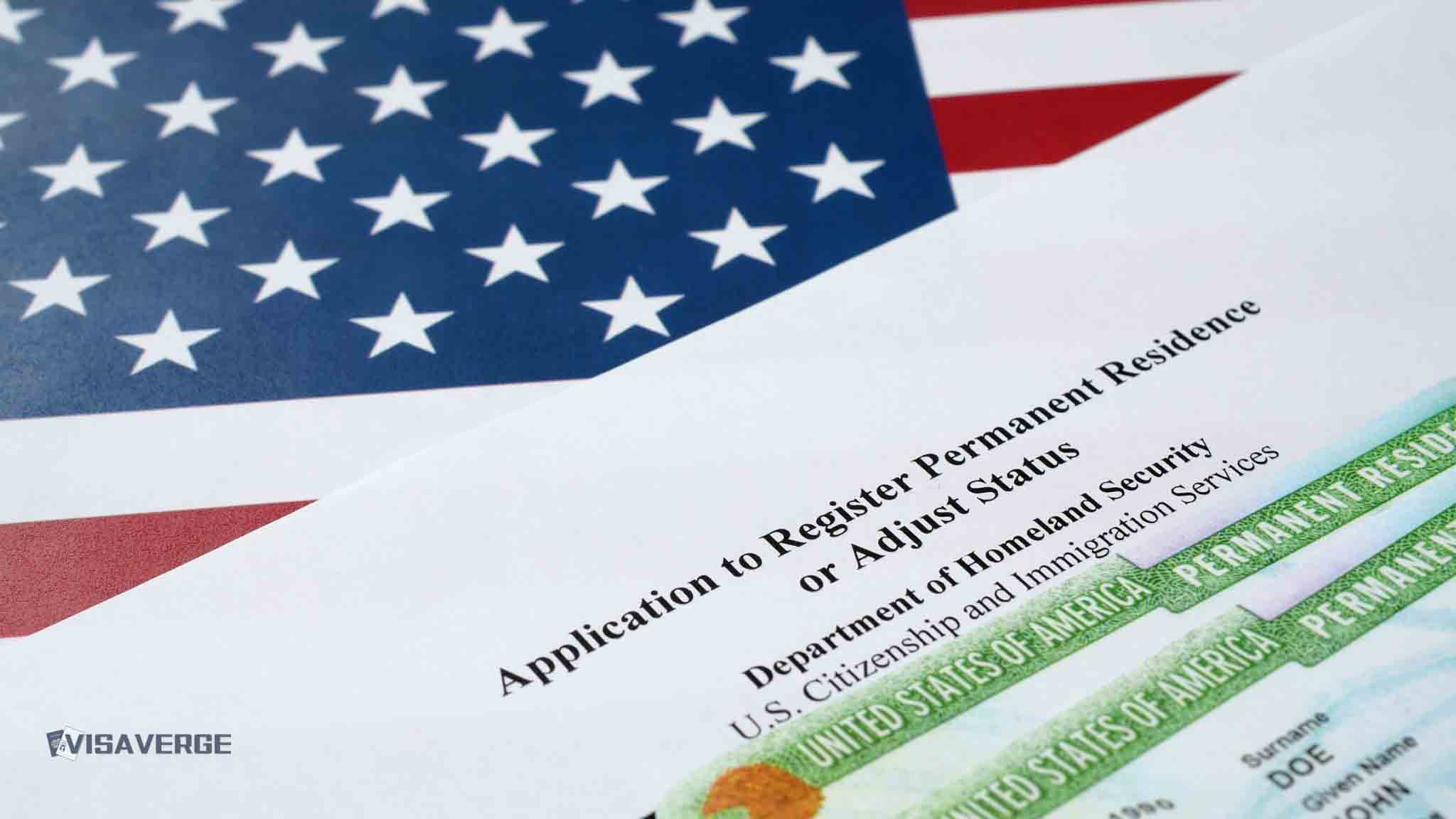
December 2025 Visa Bulletin: EB Chooses Up, Family Faces Delays
December’s bulletin favors employment categories with forward movement in Final Action Dates, notably for China and India, while…

Future of OPT: International Students and U.S. Universities Must Do
OPT and its STEM-OPT extension face possible elimination or restriction via H.R. 2315 and DHS rulemaking. Ending FICA…

U.S. Tax Residency: Resident vs Nonresident Aliens Explained
IRS residency rules use the Green Card Test and Substantial Presence Test to classify taxpayers. Exemptions exist for…

From F-1 to H-1B: A Practical Guide for U.S. Employment
New rules add a $100,000 fee for new H-1B petitions starting September 21, 2025, and shift selection toward…

H-1B Payroll and Tax Deductions: Real-World Case Studies Explained
H-1B hires often see lower take-home pay because mandatory federal, state, FICA taxes, and benefit elections reduce gross…

F-1 FICA Tax Refund: Exemption Rules and How to Claim
F-1 students are generally exempt from FICA during their first five calendar years as nonresident aliens. If payroll…
Understanding the SSA, SSN, and Employee Benefits in the U.S.
The SSA issues SSNs that link wages to retirement, disability, and survivor benefits and support immigration checks. F-1…

Applying for an SSN as an F-1 Student or H-1B Worker
F-1 students (with CPT/OPT or on-campus jobs) and H-1B employees must apply in person with Form SS-5 and…

Air Traffic Controller Pay in 2025: Realistic Salaries and Overtime
Controller pay varies by facility, experience, and shift premiums. Federal median was $144,580 in May 2024; base bands…

Indian Tax Residency 2025: 182/60-Day Rules and Update Implications
Greater 2025 coordination among India, Canada and the U.S. is increasing automated cross‑border tax notices. Migrants must file…
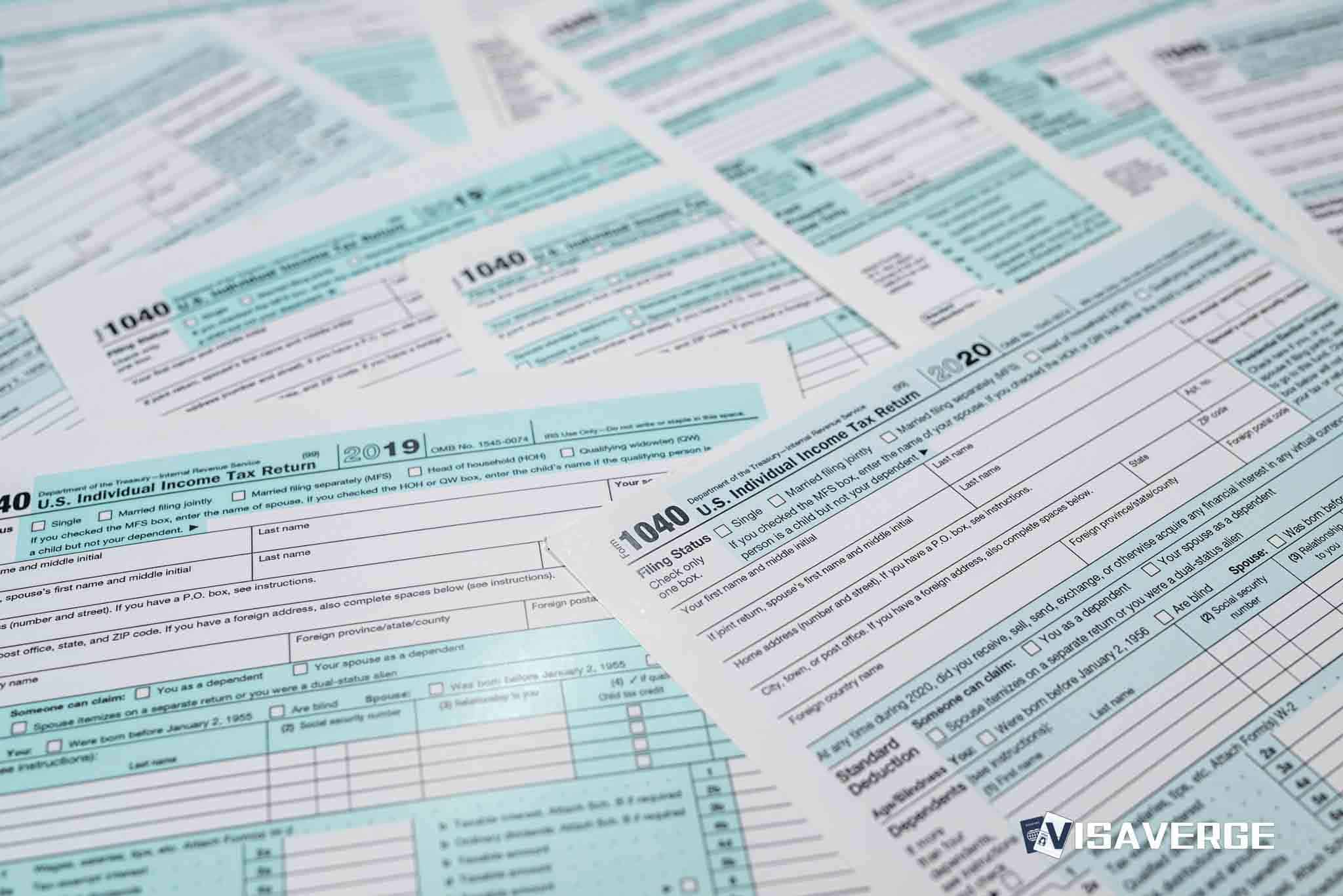
Overview of the U.S.–Canada Tax Convention for Cross-Border Workers
The U.S.–Canada tax treaty (1980/2007) prevents double taxation for cross-border workers, investors, and retirees by assigning taxing rights,…

Tri-Country Tax Filing for Indians: Canada, U.S., and India
Treaties prevent double taxation for India–U.S.–Canada filers when filings are sequenced and documented. File Canadian departure returns, report…
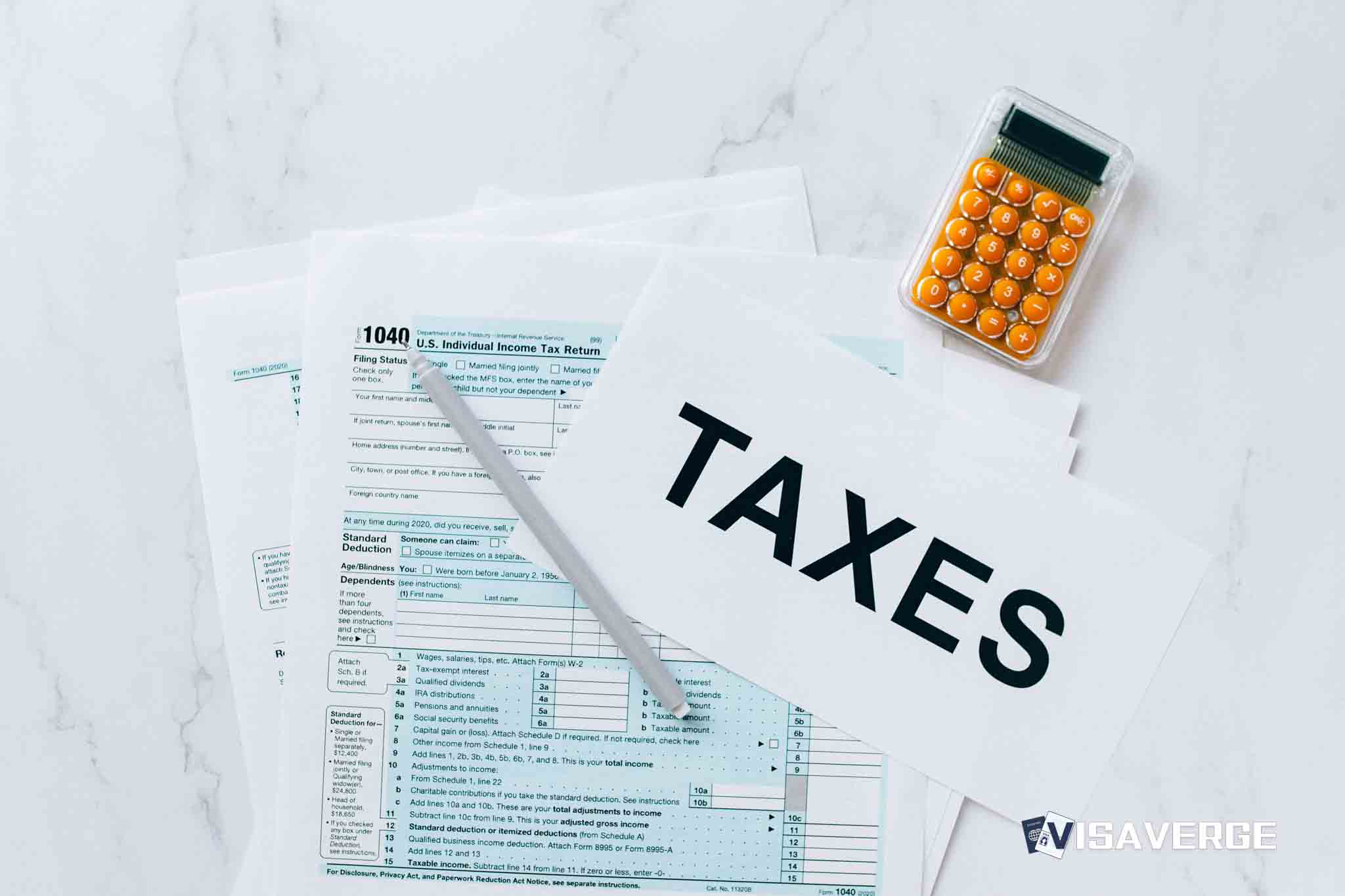
DTAA Article 23: How Australia and India Avoid Double Tax
The India–Australia DTAA prevents double taxation: Article 15 taxes employment income where earned, and Article 23 gives tax…

Missing TRC Renewal? How DTAA Benefits Are Denied and Restored
Tax authorities now require a current annual TRC to grant DTAA benefits; missing certificates trigger domestic withholding (20–30%),…