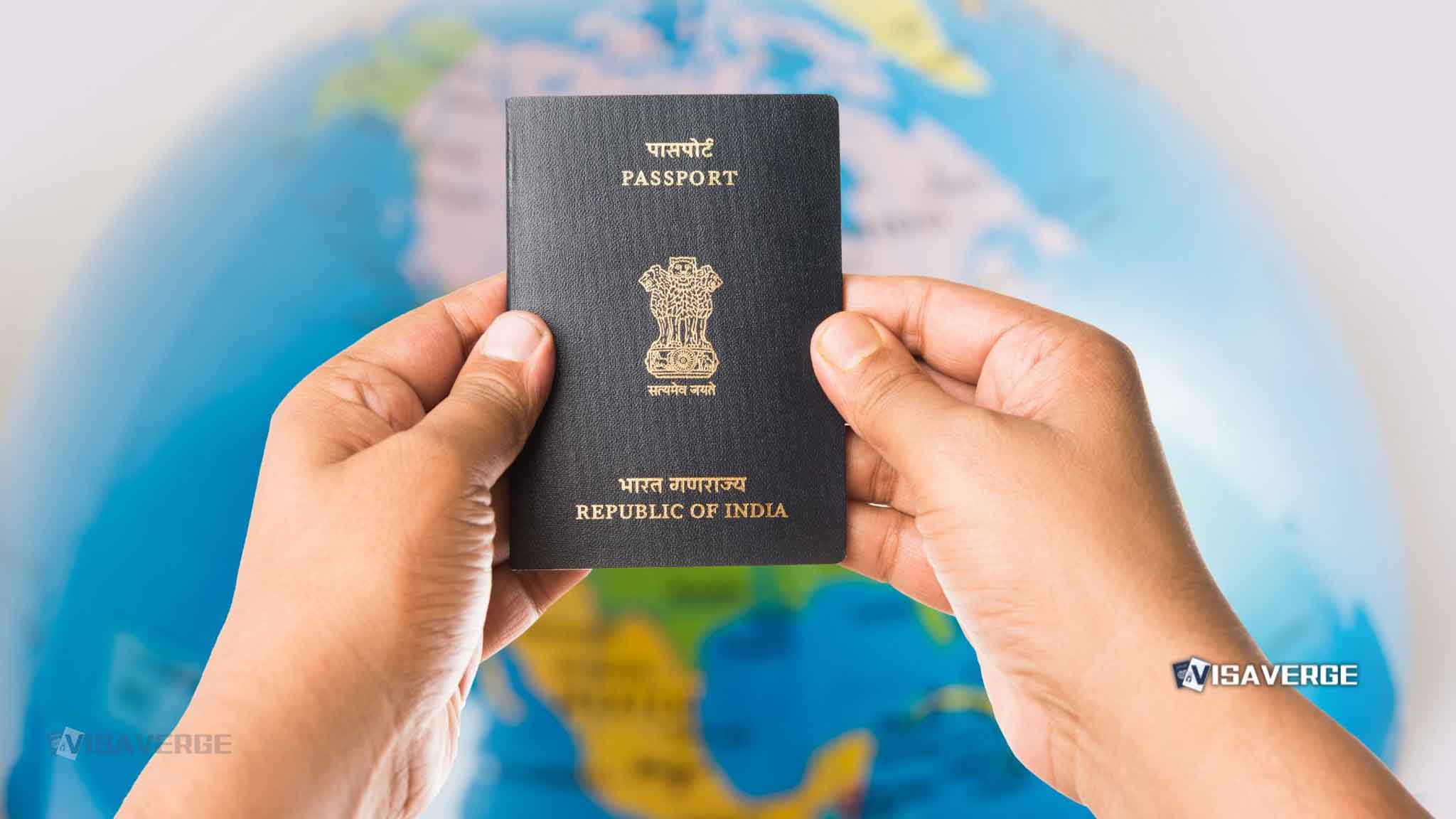
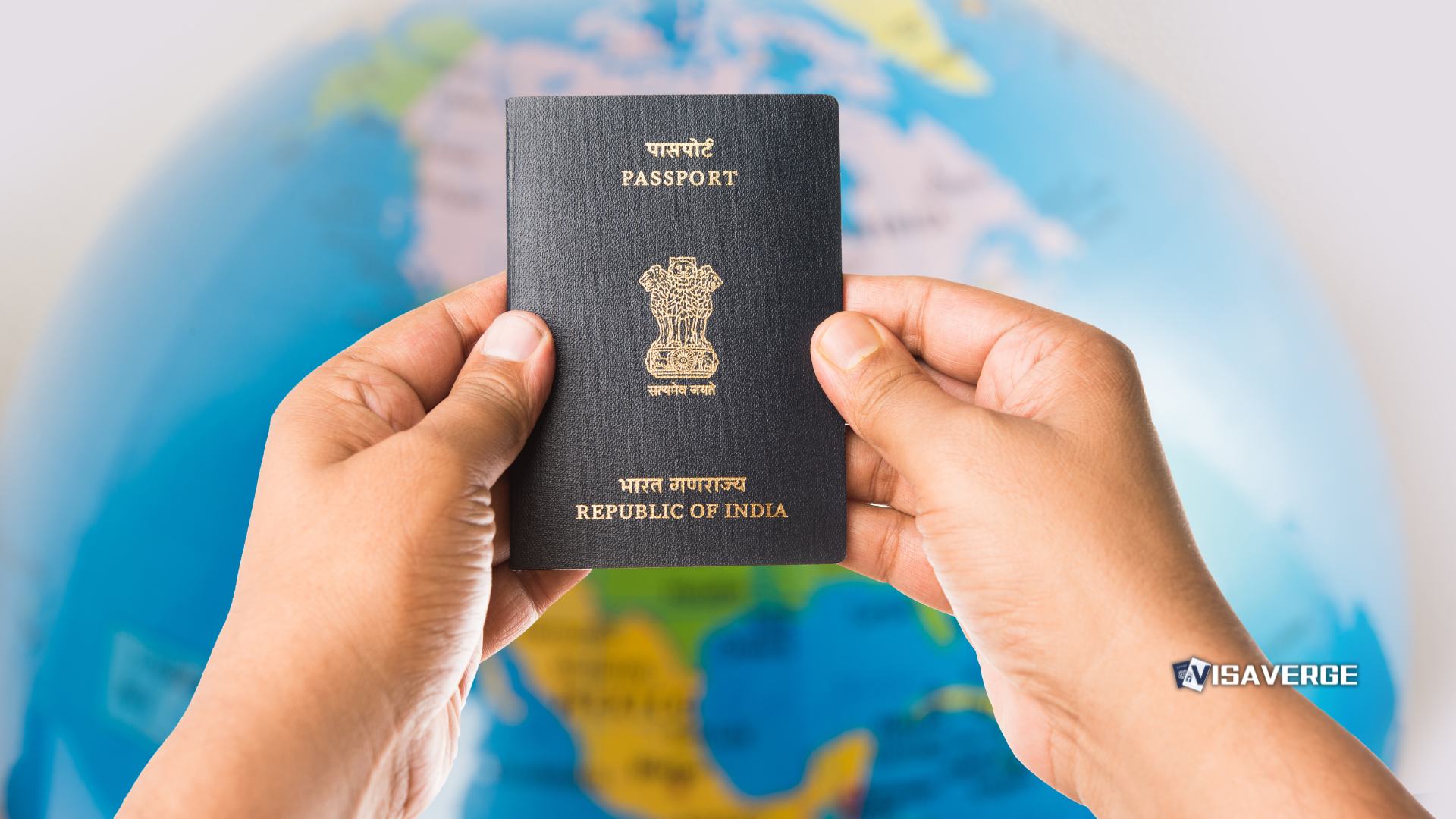
- Indian passport renewals keep the same passport number, whereas reissues typically assign a completely new number.
- Passport Seva Program 2.0 launched on February 15, 2026, shifting the application process to a digital-first system.
- New 2026 passports omit physical address details from the booklet, storing sensitive personal data in embedded e-chips.
(INDIA) Indian passport holders need one rule clear before they apply: renewal keeps the same passport number, while reissue usually gives you a new one. That difference matters for travel bookings, visa records, and any file that still carries your old passport details.

The Ministry of External Affairs has pushed that process further into a digital system through Passport Seva Program 2.0, which took effect on February 15, 2026. The upgraded system cuts paperwork, accepts more document uploads online, and makes the line between renewal and reissue easier to follow for millions of applicants.
Renewal keeps the old number alive
A renewal is the simpler route. It applies when your passport is nearing expiry and you want more validity on the same document record. Your passport booklet is replaced, but the passport number remains unchanged. That point matters for people with active visas, flight records, bank files, school applications, or employer databases tied to that number.
Renewal usually means less paperwork than a reissue. Applicants submit the old passport, proof of identity, and updated address papers if anything has changed. Under Passport Seva Program 2.0, the process is now handled online from start to finish, with uploaded documents replacing most physical copies. The official Passport Seva portal is the main route for applicants: Passport Seva official portal.
The new rules also favor Aadhaar and other government-issued IDs as primary proof. That change reduces the need to collect several supporting papers. It also speeds up file checks, because the system can match details more easily when names, dates of birth, and addresses align across documents.
Reissue gives you a fresh booklet and usually a new number
A reissue is different. It is used when the passport is expired, lost, stolen, damaged, soiled, or full of pages. It is also used when personal information changes, except for simple validity extension. In a reissue case, applicants receive a new passport booklet with a different passport number.
That distinction is the heart of the problem many travelers face. If your passport is only being extended, keep the same number in your records. If your booklet has been replaced for damage, loss, or name change, treat the new document as a fresh identity record for travel and administration.
VisaVerge.com reports that many applicants still confuse renewal with reissue because both end with a new booklet in hand. The difference is in the number printed on the new passport and the reason the passport office issued it.
What Passport Seva Program 2.0 changed on February 15, 2026
The 2026 rollout did more than update software. It changed how applicants submit records and how officials verify them. The system now allows online document upload, removes the need for most physical file drops, and supports a more transparent process from the first form field to final delivery.
A second major change is privacy. Residential addresses and parents’ or legal guardians’ names are no longer printed on Indian passports. That information remains stored digitally and is available only to authorized systems. Travelers do not need to carry extra address proof just because those details are hidden from the passport page.
The government also made e-passports the default for new applications and renewals. These passports contain embedded security features and biometric data. For applicants, that means a more modern travel document and fewer concerns about tampering or manual reading errors at checkpoints.
The renewal journey from form to delivery
The process begins with online registration on the Passport Seva portal. After logging in, the applicant chooses the correct service. If the passport is expiring, renewal is the right path. If the booklet is damaged, lost, or changed for another reason, reissue is the proper choice.
Next comes the application form. Every field needs to match supporting records exactly. Full name, date of birth, and address must be consistent. The system rejects files with missing information, unclear uploads, or mismatched details. That strictness matters because a small spelling error can delay the whole case.
After the form, applicants upload documents digitally and pay the fee online. The system accepts payment through UPI, debit cards, credit cards, and net banking. Then the applicant chooses a Passport Seva Kendra (PSK) or Post Office Passport Seva Kendra (POPSK) appointment slot, prints the receipt, and keeps the Application Reference Number (ARN) ready.
At the appointment, officers verify the originals, capture biometrics, and review the record. If the address has changed, police verification may follow. If the renewal was filed before expiry, verification may not be needed. Once the file clears those checks, the passport is sent by post.
Documents that slow files down when they do not match
For most renewals in 2026, applicants usually need the Aadhaar card, old passport, proof of date of birth, recent passport-sized photographs, and updated address proof if the address changed. NRIs applying in India also need proof of Indian address if relevant, plus a valid visa or residence permit abroad.
The MEA has made one message very clear: accuracy matters more than volume of papers. If the address on one document does not match another, the file can stall. If scans are blurry or pages are missing, the application can be rejected. If the name differs between Aadhaar and passport records, the applicant often has to reapply with corrected details.
For applicants with active visas, the old passport still matters. Existing visas on the old passport remain valid in the new one. That is helpful, but it does not erase the need to keep both passports together during travel until border systems and airline records reflect the change.
After the new passport arrives, records still need updating
Once the passport arrives, the work is not finished. Travelers should update passport details with airlines, banks, insurers, employers, and any agency that stores the old number. Travel insurance files need the current number, because a mismatch can create problems during a claim review.
People with long-term visas should also inform the relevant embassy or consulate. Some countries still expect the new passport number to be linked to their records, even when the visa itself remains valid. That step is especially important for NRIs, frequent flyers, and anyone with a pending immigration matter tied to the old document.
Applicants abroad usually rely on VFS Global for the filing process. The flow is similar: complete the online passport form, note the ARN, print the application, and create the required profile through the visa services channel used in that country.
What the new system means for families, workers, and students
For families, the biggest benefit is fewer paper visits and less confusion over which document is current. For workers, the issue is continuity. Employers often store passport numbers in HR, payroll, or travel systems, so a reissue means those records need attention. For students, especially those studying abroad, the old passport often remains part of visa history, university records, and residence permit checks.
According to analysis by VisaVerge.com, the 2026 changes are most useful for applicants who keep their documents consistent from the start. The upgraded portal rewards careful filing and punishes sloppy data entry. That is why applicants are being urged to apply 6 to 12 months before expiry, even when travel plans feel distant. Early filing leaves room for police checks, document corrections, and postal delivery without creating emergency pressure.
The rule itself is simple. Renewal keeps your passport number. Reissue usually changes it. The process around that rule is now more digital, more private, and more demanding about accuracy than before.