Damaged U.S. and Mexican Passports Can Disrupt International Travel, Report Says
Severe tears, missing pages and alterations can put an international trip at risk, while ordinary wear does not invalidate a U.S. passport.
At a glance
- A bent page, small crease or lightly frayed edges do not invalidate a U.S. passport.
- Mexico’s listed defects include alterations and a missing cover.
- Mexico’s consular guidance calls for validity throughout the trip; an Indianapolis page also refers to six months in Spanish.
Reviewed November 16, 2026
U.S. and Mexican authorities identify damage and alterations that can make passports unusable for international travel, even before expiration. The standards differ. Travelers with affected documents may need a replacement or renewal before they can travel.
The standards concern passport conditions under U.S. guidance and Mexican rules. The U.S. State Department identifies serious physical damage, while Mexican regulatory standards also cover changes to the document and missing parts. These are existing standards, not a newly announced policy.
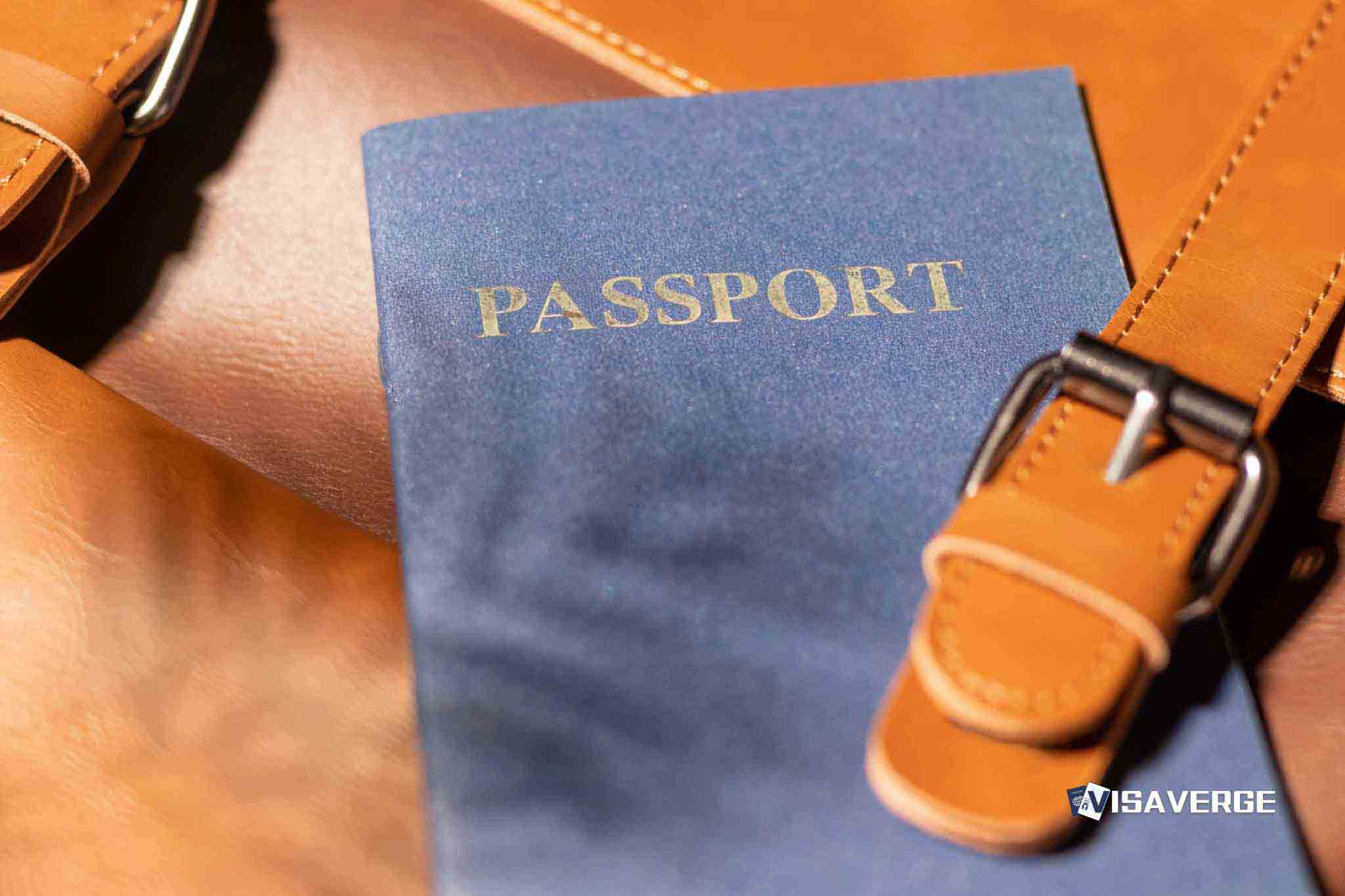
A damaged document can cause trouble before a traveler reaches a destination. A passport that cannot be used may prevent travel until it is renewed or replaced.
It is not clear which airlines treat passport damage as a reason to deny boarding. The guidance urges travelers to check their documents before immigration control.
Damaged passports can force replacement or renewal
The department says a significantly damaged U.S. passport cannot be used for travel and must be replaced. The listed conditions include:
- Water stains, moisture or mold that make key information on the passport unrecognizable.
- Major tears or rips, including significant cuts that compromise the document.
- Torn or missing pages, including a visa page torn out of the passport.
Not every mark qualifies as invalidating damage. A bent page, small crease or lightly frayed edges count as ordinary wear and do not invalidate a U.S. passport for departure.
Mexican rules also flag alterations and missing covers
The Mexican standards cover damage as well as changes to a passport. Article 6 of the Regulations on Passports and Identity and Travel Documents is cited for the following defects:
- Cuts, tears or other damage amounting to mutilation.
- Changes or amendments affecting the document.
- Missing pages or a missing cover, and damage that makes it harder to identify the holder.
A passport with these irregularities may not be accepted for travel. The traveler may be prevented from departing until renewing the document.
The described standards do not settle every boarding check
The U.S. and Mexican categories address their respective passport rules. They do not specify which airlines apply the damage categories at check-in, and the account does not clarify whether every nationality departing either country faces the same checks.
Separate U.S. entry checks described by CBP include a passport in good condition, legible personal information and a photograph that identifies its holder. A machine-readable zone is required where applicable. Certain temporary or emergency passports used under the Visa Waiver Program need an electronic chip. Security features must remain unaltered, and each traveler must have an individual document where the program requires one.
Those entry checks are separate from damage rules at departure. A passport may also need to meet destination-specific validity requirements. Check both before traveling.
Check condition, expiry and airline rules before flying
Inspect the passport before immigration control. If a U.S. passport has significant damage, replace it; if a Mexican passport has an invalidating defect, renew it. Make sure the holder’s identifying information remains readable.
Expiry requirements are a separate question. The general U.S. rule calls for six months of validity beyond the period of admission, with exceptions for countries covered by agreements. CBP generally does not admit foreign nationals beyond the passport’s expiry date, even if an approval notice runs longer. Mexico appears on the exemption list last published December 18, 2025, but travelers still need a passport valid for their intended U.S. stay.
Foreign visitors need an unexpired passport or travel document valid for the entire trip. The San Francisco consulate’s guidance for foreign visitors also advises travelers to check boarding requirements with their airline. An Indianapolis consulate page says in English that the passport must cover the trip, while its Spanish text separately refers to at least six months.
U.S. citizens flying to Mexico need a passport book, not a passport card. A passport card is not valid for international air travel.
The San Francisco consulate advises travelers to confirm boarding requirements with their carrier:
“Please contact the airline(s) you will be flying on to ensure that they let you board the plane as the United States does have a six months validity rule for passports that may apply.”
Keep reading
More in Legal → Immigration · Nov 16
Trinidadian and Haitian Nationals Arrested as ICE Escalates Immigration Crackdown
U.S.
 Immigration · Nov 16
New Orleans Family Given Four Days’ Notice as Government Lawyer Proposed Skipping Asylum Hearing
 H1B · Nov 16
D’esposito Signals More Suspensions in H-1B Fraud Probe, Targeting PERM Programs
 DACA · Nov 16
American Oversight Sues DHS Over Unlawful Voter Initiative as Markwayne Mullin Faces Scrutiny
What to do now
- Inspect the passport before immigration control and check that identifying details remain readable.
- Replace a significantly damaged U.S. passport or renew an invalid Mexican passport.
- Check destination validity rules separately from passport-condition rules.
- Contact the airline about its boarding requirements.
Who this affects