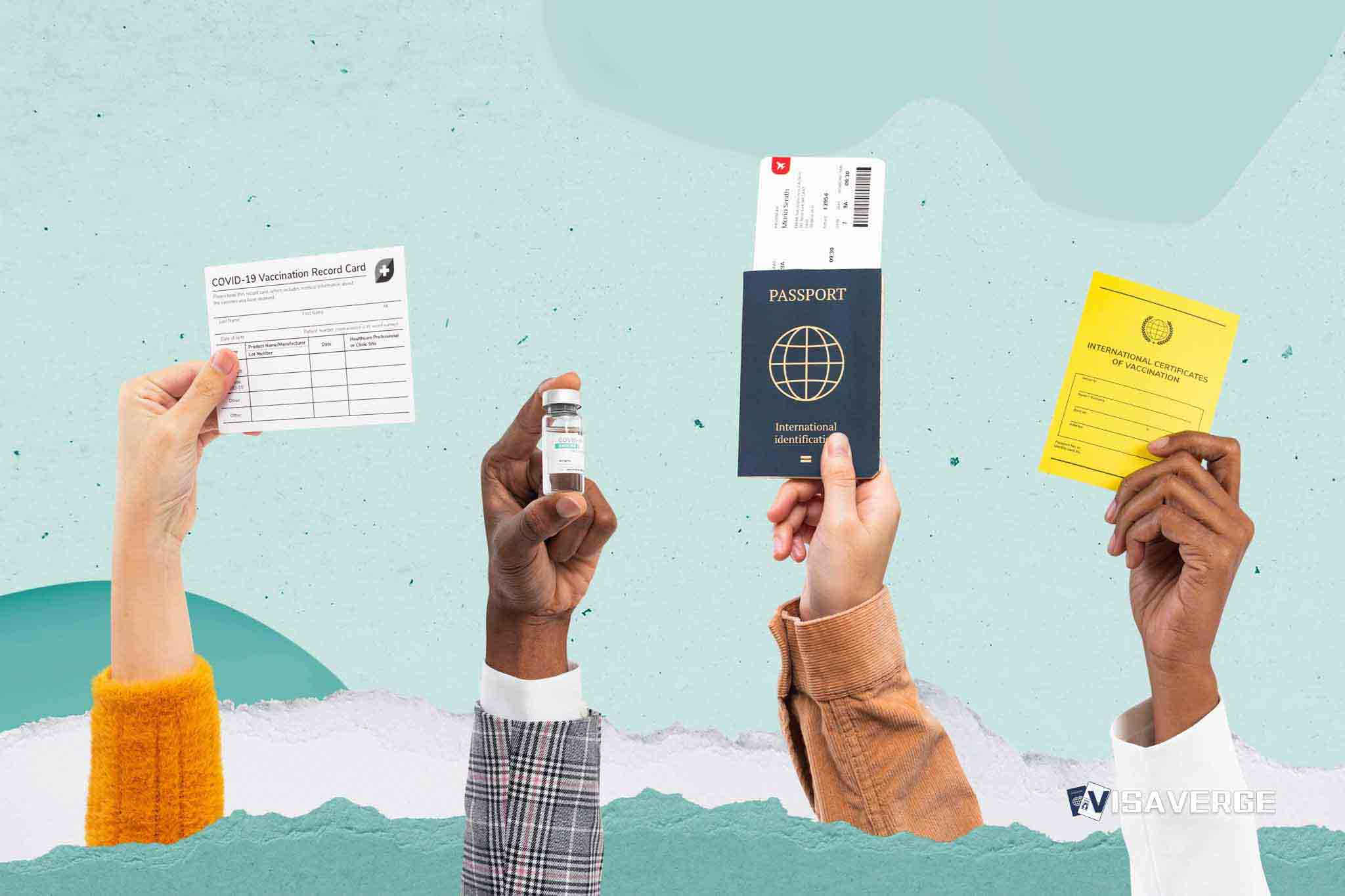
Understanding the Passport Rules for Cruising
If you are planning to set sail on a cruise, understanding the passport requirements is essential. A common question many travelers ask is, “Do you need a passport for a cruise?” The answer can vary, depending on the type of cruise you are embarking on, as well as your destinations.
Closed-Loop Cruise Passport Requirements
For “closed-loop” cruises—those that start and end at the same U.S. port—you may not need a passport. However, you will need to provide other forms of identification and citizenship proof, such as:
- A government-issued photo ID (e.g., driver’s license)
- An original or copy of your birth certificate
It’s important to note that while these documents might be sufficient to re-enter the United States, they may not be accepted by the countries you will visit. Checking with the cruise line and embassy websites of the destinations in advance is critical.
Open-Loop Cruise Travel Documentation
For “open-loop” cruises—those that begin and end in different ports—cruise passport requirements are more stringent. A valid passport book is typically required for these types of voyages. Even if traveling to countries within the Western Hemisphere, a passport book is necessary because you will be entering various international borders.
The Benefits of Carrying a Passport
Carrying a passport comes with several benefits, even if it’s not required for your cruise:
- Travel Flexibility: A passport allows for unplanned international travel, such as if you decide to extend your trip in a foreign country.
- Emergencies: If you need to fly back to the U.S. because of an emergency, having a passport is crucial, as a birth certificate will not suffice.
- Ease of Mind: Many countries require visitors to have a passport that is valid for six months beyond the dates of the trip. Therefore, having a passport can eliminate potential entry or exit issues.
Special Considerations for International Cruises
When your cruise itinerary includes international destinations, there are additional considerations:
- Visas: Some countries may require a visa. It’s best to research specific visa requirements well in advance.
- Vaccinations: Depending on your ports of call, you may need certain vaccinations or health screenings.
Staying Informed on Passport Rules for Cruising
Always stay updated on the latest immigration laws and policies as they can change. Here are some resources to consider:
- The official U.S. Department of State – Bureau of Consular Affairs website provides detailed information about passport requirements.
- Your cruise line will offer guidance on the necessary travel documentation.
By being well-prepared with the correct travel documentation, your cruise experience can be smooth sailing. Remember, when in doubt, having a passport is almost always the safest bet for international travel.
So there you have it, mateys! Ahoy, passport rules for cruising! Remember, closed-loop cruises might let you slide without a passport, but don’t be surprised if other countries put their foot down. For open-loop cruises, it’s safer to ride the waves with a passport book in hand. And hey, even if it’s not required, having a passport means more travel flexibility, emergency escape plans, and peace of mind. Just remember, always check the U.S. Department of State and visaverge.com for the latest info. Smooth sailing, adventurers!
This Article in a Nutshell:
Understanding passport rules for cruising is vital. Closed-loop cruises may not require a passport, but check destination requirements. Open-loop cruises typically need a valid passport. Benefits of carrying a passport include travel flexibility, emergency situations, and peace of mind. Research visas and vaccinations when cruising internationally. Stay informed via the U.S. Department of State and your cruise line.