


Determining India Tax Residency After Return: NRI, RNOR, and ROR
Residency depends on days in India: 182+ days or 60+365 over prior four years makes you resident; otherwise…

US-India Tax Treaty: Implications for Avoiding Double Taxation
The US‑India treaty assigns taxing rights by income type and prevents double taxation via credits or exemptions. Residence…

US Tax Filing: Partial-Year Departure and Future Years with FBAR
Moving abroad does not suspend U.S. tax filing: file Form 1040 reporting worldwide income. Consider FEIE (Form 2555)…

Cross-Border Tax Planning for a Transition Year with Dual Income
To reduce transition-year double taxation, prove precise residency dates, check treaties for your income types, and document foreign…

No Verified Reports on Paramjit Singh Detention Amid 2025 ICE Policies
Unverified reports say Paramjit Singh may be in ICE custody over an old pay-phone incident. In 2025 enforcement…

H-1B Real Estate Ownership: What’s Allowed and What’s Risky
Owning U.S. real estate is allowed for H-1B holders, but active landlord activities can constitute unauthorized employment. Use…

ECI mulls NRIs postal ballots as Kerala braces for SIR
ECI plans postal ballots for NRIs, targeting Kerala as a 2026 pilot while seeking legal amendments. Postal voting…
India Articulates Diaspora Concerns After Global Migration Rallies
In response to migration rallies and rising risks abroad, India announced measures on September 10, 2025, including a…
Karnataka Introduces 15% NRI Quota in Government Medical Colleges
Karnataka will reserve 15% of seats in certain government medical colleges for NRIs from 2025–26, charging ₹25 lakh…

Bank of Baroda bob Aspire Lets NRIs Open NRE Accounts Pre-Departure
bob Aspire NRE lets Indians open an NRE account in India before moving abroad; it activates after submitting…

India’s Low-Cost Healthcare Spurs NRI Medical Tourism with Insurance
Heal in India propelled a 150% rise in NRI medical travel in FY 2024-25, aided by e-visas, lower…
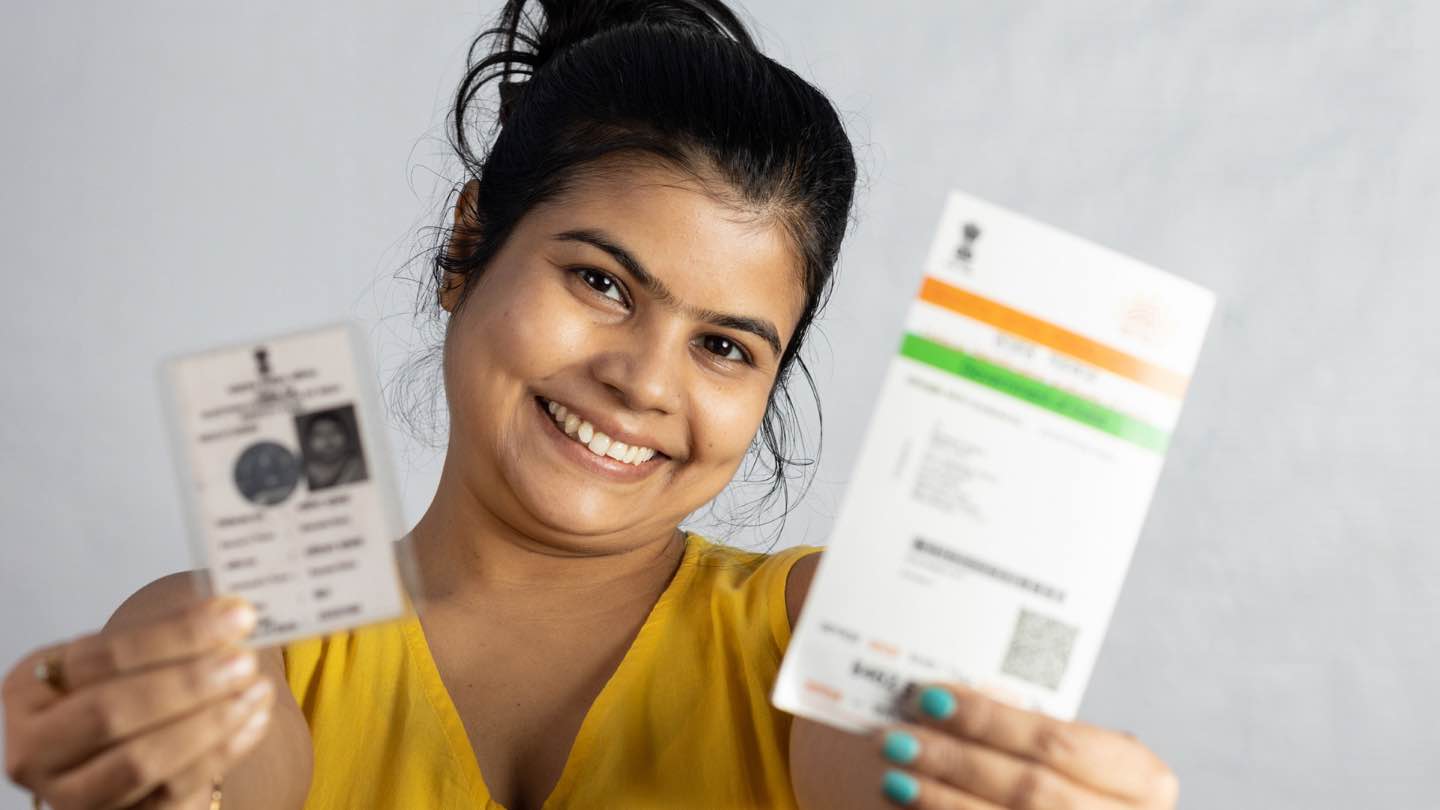
NRIs with foreign Aadhaar address: will the letter reach overseas?
Physical Aadhaar letters are mailed only to Indian addresses; NRIs abroad should use e-Aadhaar. Aadhaar issuance can take…
Half of Overseas Indians Live in Just 10 Countries Worldwide
India’s diaspora totals 34.3 million (2025); remittances reached $135.46 billion in 2024–25 (up 14%). Key priorities: modernize emigration…

MEA Says India- Australia Tying Up With Diaspora Over Anti-Immigration Protests in 2025
After August–September 2025 March for Australia rallies targeted Indian migrants, India and Australia opened direct talks. Officials condemned…