


H-1B and H-4 Interviews Delayed to 2026: Protect Your Job
Consulates in India pushed H-1B and H-4 interviews into 2026 due to a mandatory online presence review starting…

How U.S. Tax Residency Shapes Immigration Decisions for Global Movers
Tax residency, set by the IRS, is separate from immigration status and can require reporting worldwide income. The…
Guidelines for Indian Nationals Attending U.S. Visa Interviews
Verify your immigration status before any USCIS or consular appointment. Overstays and unauthorized work can prompt detention if…

The Silent Epidemic: Cardiac Arrest Deaths Among Indian Nationals in the United States
Health Crisis Alert • Investigation Report • December 2025 Urgent Research Analysis Updated: December 14, 2025 Young Indian…
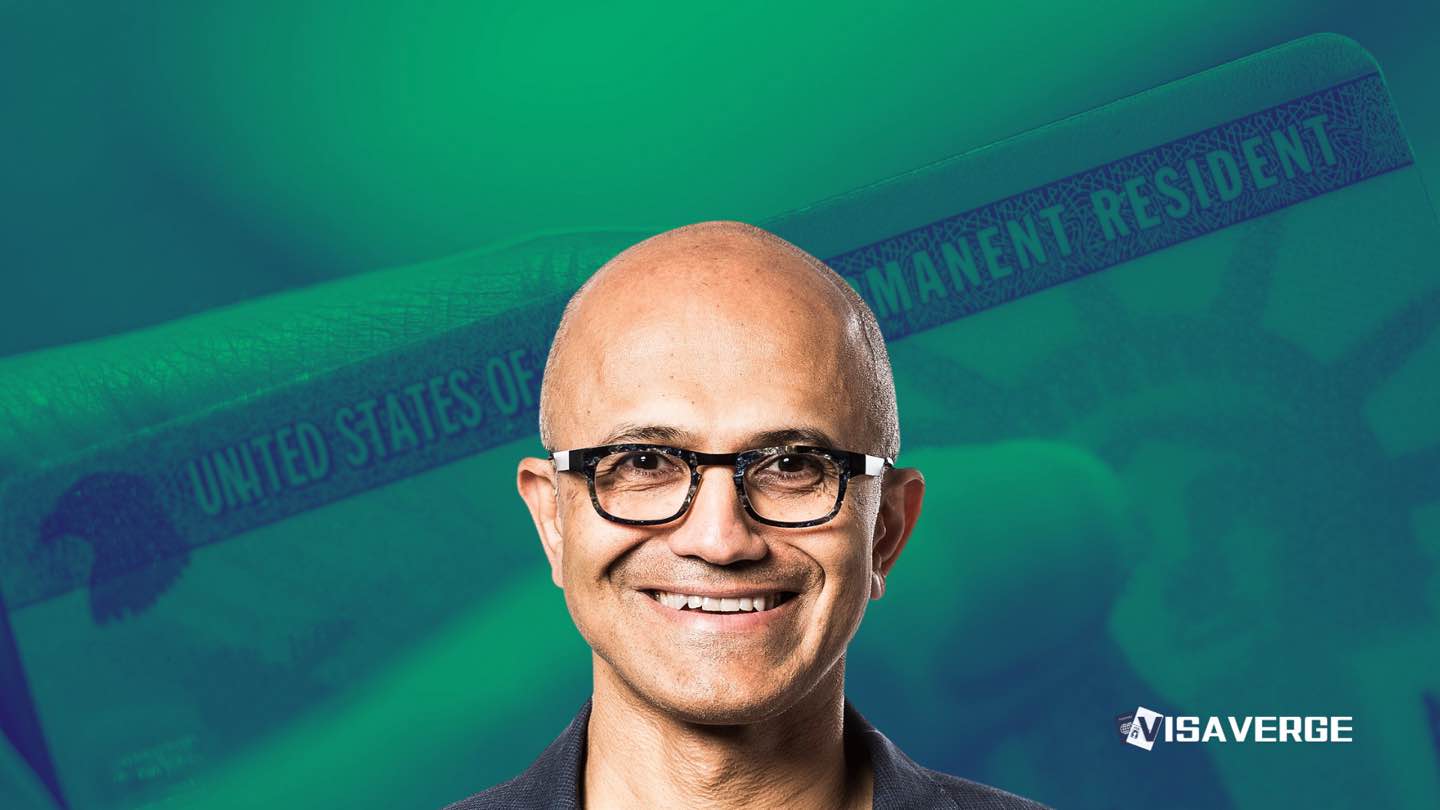
Nadella Unveils 200k+ Copilot Licenses With Indian IT Giants
Microsoft and four Indian IT giants will scale Microsoft Copilot and agentic AI across functions, potentially deploying over…
Tariffs and Immigration Policy Threaten India–US Ties for Immigrants
Steep tariffs and tighter visa rules are increasing costs and visa delays for Indian students, H-1B workers, and…
2026 USCIS Fees & Processing Times: What Immigrants Should Plan
On January 1, 2026 USCIS applies H.R. 1 inflation adjustments, increasing fees like I-765 to $560 and the…
Implications of the 2025 NSS for Immigration, India, and NRIs
The 2025 NSS centers immigration on national security, tightening border control and vetting for work, student, and family…

Viral Lawyer’s Call to Leave India Sparks Debate on Citizenship
Pranay Maheshwari’s viral call to “Leave India, Give Up Citizenship” provoked nationwide debate about emigration, identity, and policy.…

MCC Notice: NRI Nationality Conversion for NEET PG Counselling 2025
MCC requires candidates changing from Indian to NRI for NEET PG 2025 Round 2 to email all documents…

IndUS Canada Forum Urges Dual Citizenship for Overseas Indians
IndUS Canada Forum urged New Delhi to adopt dual citizenship for overseas Indians, citing over eight million people…

Israel Launches Largest Immigration Drive to Bring Bnei Menashe Home
Israel will resettle about 5,800 Bnei Menashe from India by 2030, with 1,200 arriving by 2026. The Jewish…

H-1B visa pressures push NRI couple with ₹6 crore net worth home
A financially secure NRI couple on H-1B visas plans to return to India within four years, prioritizing family…
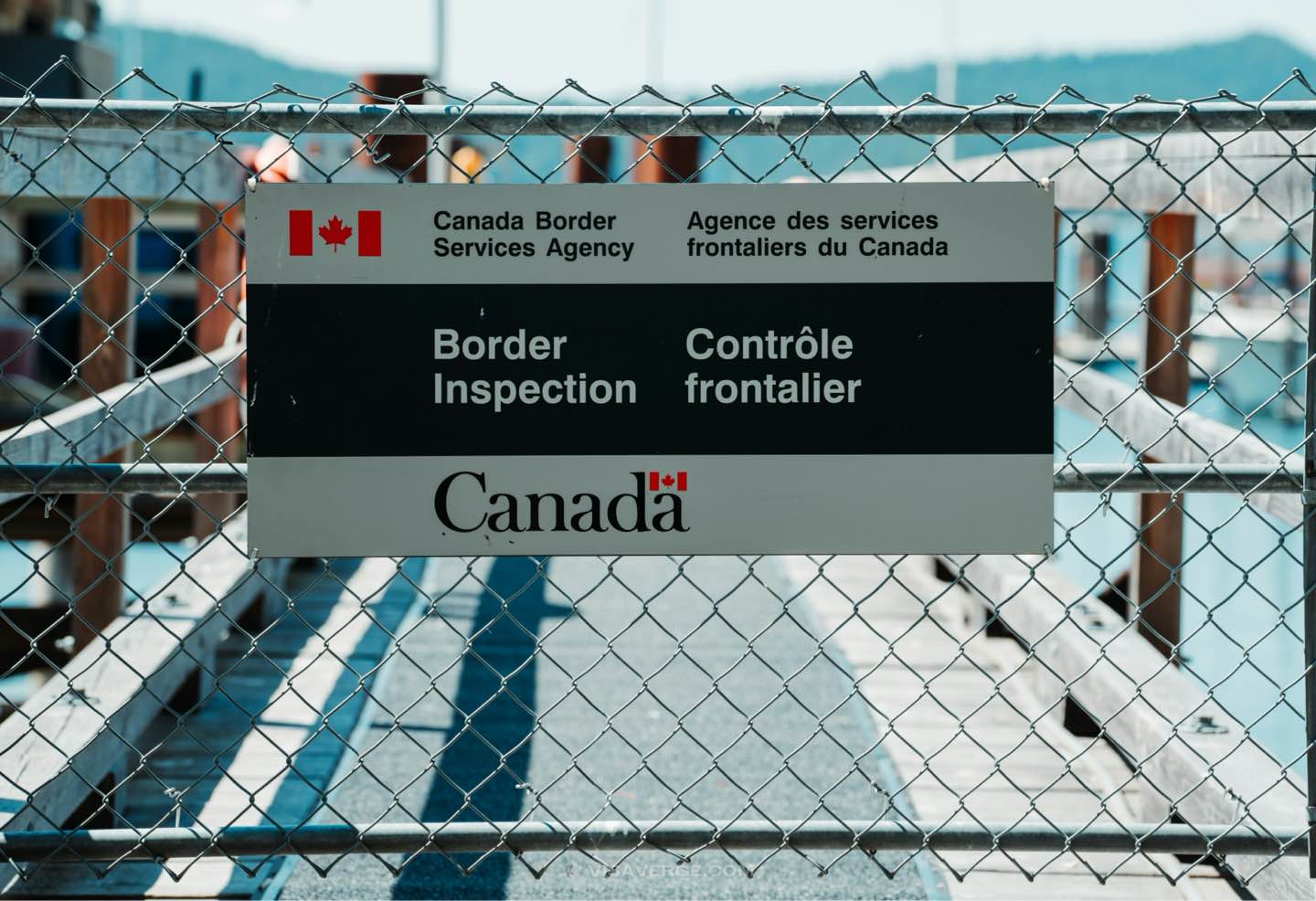
Canada Expands Citizenship Rules for Indian Diaspora to Children Abroad
Canada’s Bill C-3 removes the first-generation cut-off and uses a 1,095-day substantial-connection test to allow many parents born…