Key Takeaways
01
Travelers from India to the U.S. may face stricter immigration controls under the potential 2025 Trump administration.
02
Past policies under Trump led to increased visa vetting, secondary inspections, and work visa suspensions for Indian nationals.
03
Travelers should prepare thoroughly, stay informed on policy changes, and anticipate possible delays at U.S. entry points.
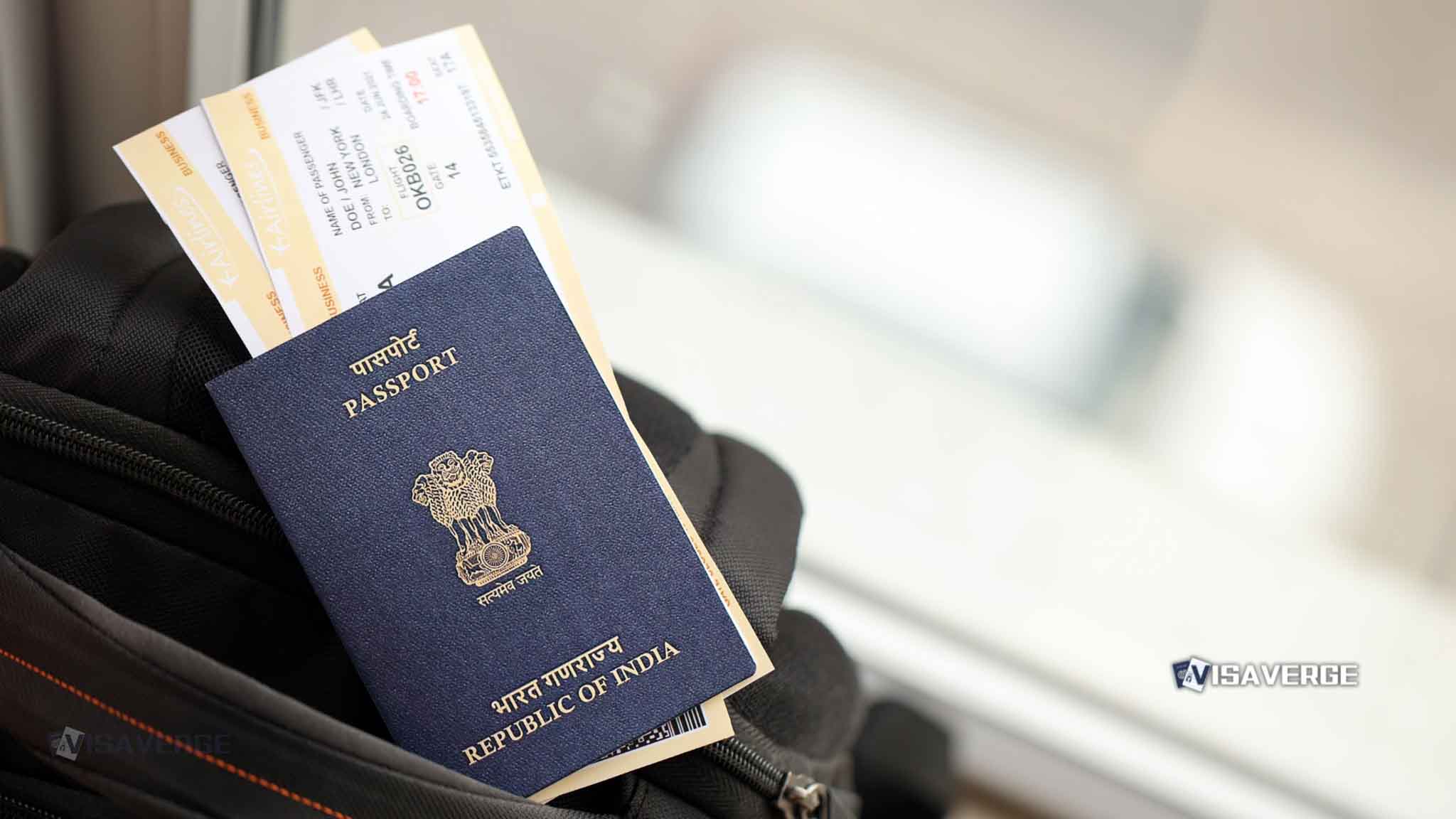
Traveling from the U.S. ?? to India ??, especially in January 2025 when the Trump administration might come back to power, involves considerations beyond packing your bags and booking flights. Historical precedents from Trump’s previous term highlight potential travel challenges at U.S. ports of entry. These impacts stem mainly from potential shifts in immigration and travel policies, which can cause significant delays and stress for travelers. Here, we delve into how those factors might affect your plans.
Free toolB1/B2 Tourist Visa Stay Calculator onlineStringent Port of Entry Measures: A Look Back
During Trump’s first presidential term, national security became a prominent theme. His administration implemented various policies that tightened border controls and altered immigration processes, notably affecting Indian travelers.
- Enhanced Vetting for Visa Holders: During Trump’s earlier term, visa applicants underwent thorough investigations. This included checks on their social media, work history, and other background details. Such scrutiny wasn’t limited to countries on specific travel bans. Indian citizens traveling to the U.S. found themselves tangled in these additional layers, leading to unforeseen delays.
-
Travel Bans and Entry Restrictions: While India wasn’t directly implicated in the so-called “Muslim Ban,” the heightened awareness around immigration led to trickle-down effects. Many Indian nationals, irrespective of their purpose—be it study, work, or tourism—faced increased questioning and longer wait times at the U.S. Customs and Border Protection (CBP) checkpoints.
-
Work Visa Suspensions: The swift move to suspend H-1B visas aimed at curtailing legal immigration left many Indian professionals stranded. As a large portion of the H-1B visa holders in the U.S. were Indians, such policies created disruptions in their professional and personal lives.
-
Strict Port of Entry Protocols: CBP officers were known for conducting rigorous interviews under the Trump administration. Indian travelers often found themselves in secondary inspections, adding pressure and stress to their travel experiences.
Foreseeable Policy Adjustments Under Trump Administration 2025
As January 2025 approaches, potential policy shifts under a new Trump administration may echo past measures, reiterating the emphasis on an “America First” philosophy.
- Restoration of Strict Immigration Controls: The campaign voice suggests a return to tightened national and immigration policies. Hence, travelers from India may face stricter screenings at U.S. airports, extending their travel time and complexity.
-
Extended Travel Restrictions: New travel restrictions could sprout overnight, aimed at travelers from regions perceived as security risks. Indian citizens, especially those with links to such regions, could experience heightened scrutiny.
-
Heightened Immigration Status Checks: Discrepancies in travelers’ documentation, such as expired visas or incomplete paperwork, might lead to entry denials and prolonged questioning. This is particularly concerning for Indian nationals traveling for work or family commitments.
-
Non-Immigrant and Work Visa Constraints: The focus on reducing non-immigrant visas, particularly the H-1B and L-1 categories, could lead businesses and individuals to rethink their travel strategies, potentially hampering leisure and business trips to the U.S.
Implications for Travelers to India
Even for those heading to India, actions taken by the Trump administration may indirectly pose challenges:
- Return Hurdles: Once in India, returning to the U.S. might become tricky due to stricter port of entry protocols. An unexpected change in policy during your stay could mean calls for added documentation or procedures before returning.
-
Increased Paperwork: Preparing additional documents to affirm your travel purpose and U.S. ties could become necessary. Anticipate administrative frustrations and potential holdups.
-
Uncertainty Around Policy Announcements: As policy regulations may change rapidly during transitional phases, travelers must stay adaptable and informed to avoid disruptions.
Data from the Past: An Insight into Potential Future Trends
Unpacking past data gives us a glimpse of what might transpire:
- Increased Secondary Inspections: A 2019 study noted an 18% rise in secondary inspections for Indian travelers since 2017. This number could spike again under renewed screening protocols.
-
Visa Delays: The average processing times for H-1B and student visas soared from 60 days in 2016 to over 120 days in 2019 during Trump’s previous tenure. Similar delays could affect future applicants.
-
Travel Confusion During Policy Implementations: The controversial travel ban in 2017 led to widespread confusion even among unaffected international travelers. Indian travelers should prepare for a possible occurrence of these disruptions.
Prudent Recommendations for Travelers
For those looking to travel under these evolving circumstances, careful preparation becomes paramount:
- Thorough Documentation Check: Ensure all travel documents, such as visas, itineraries, and U.S. employment proofs, are accurately prepared.
-
Regular Policy Monitoring: Keep abreast of policy changes through official government websites. Consultation with legal experts is advised if uncertainties arise.
-
Prepare for Delays: At the port of entry, anticipate possible delays and secondary inspections. Consider allowing extra time in your travel plans to absorb these uncertainties.
-
Rethink Non-Essential Travel: If feasible, defer discretionary trips to India until stability returns.
In closing, although travel to India won’t be expressly restricted in January 2025, stricter controls at U.S. ports of entry might be a reality under the Trump administration. As such, thoughtful planning and staying informed remain crucial. The lessons from prior policies emphasize the importance of remaining vigilant during such political transitions. For consistent updates, consider checking resources like VisaVerge.com and official government channels. Meanwhile, ongoing vigilance and adaptability will ensure smoother travel experiences during these fluid times.
Learn Today
Stringent Port of Entry Measures: Tighter regulations and security checks at border entry points impacting travelers entering a country.
Enhanced Vetting: Comprehensive investigations into visa applicants’ backgrounds, including social media and employment history, for security assessment.
Travel Bans: Government-imposed restrictions preventing nationals from specific countries from entering another country due to security reasons.
H-1B Visas: U.S. visas allowing foreign professionals to work in specialty occupations, significantly impacting Indian professionals’ migration.
Secondary Inspections: Additional questioning and checks performed on travelers upon entry to a country, often causing delays.
This Article in a Nutshell
Navigating U.S.-India Travel in Potential Trump 2025
Anticipating Trump’s potential 2025 return, U.S.-India travelers should brace for stringent entry protocols reminiscent of his previous term. Heightened visa scrutiny and possible travel bans may return, invoking longer customs processes. Proactive document checks and policy monitoring will be crucial to manage potential delays and ensure smoother voyages.
— By VisaVerge.com
Read more:
• Canada Flags Thousands of Fake Student Acceptance Letters from India
• Indian Student Aryan Reddy Accidentally Dies in Gun Misfire During Birthday in US
• Israel Aims for 10,000 Indian Tourists in 2024 with E-Visa Introduction
• Dubai Visa Updates for Indian Travelers
• Telugu Students Dominate US Visa Approvals in India