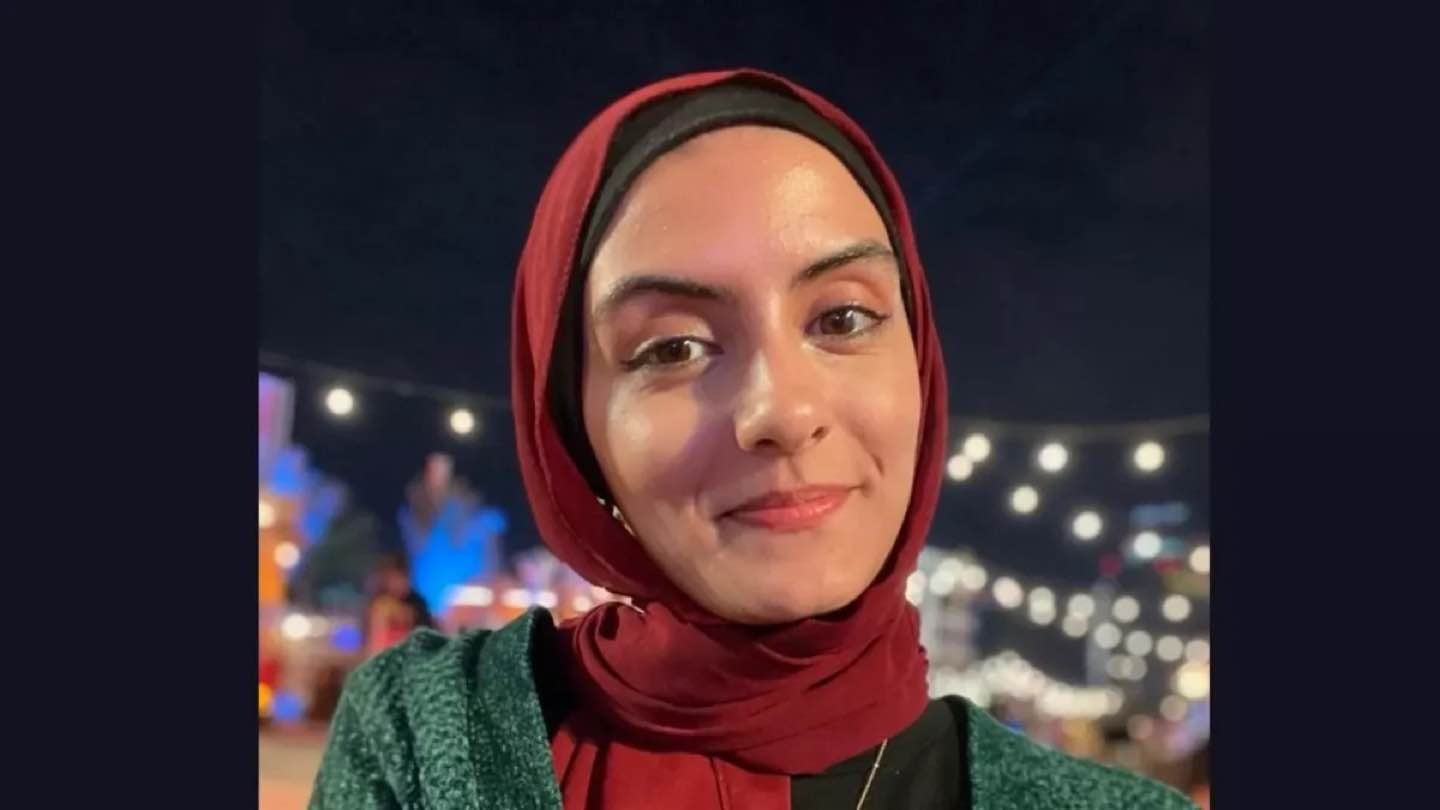
In a striking case that has caught the attention of the international community, the Home Office’s handling of a Palestinian refugee’s visa case has resulted in an unprecedented apology from the home secretary. The individual at the center of this situation, Amena El Ashkar, found herself ensnared in a tangled web of bureaucratic errors that has highlighted significant Home Office visa errors and raised questions surrounding the Chevening scholarship visa issues.
The Struggle of Amena El Ashkar
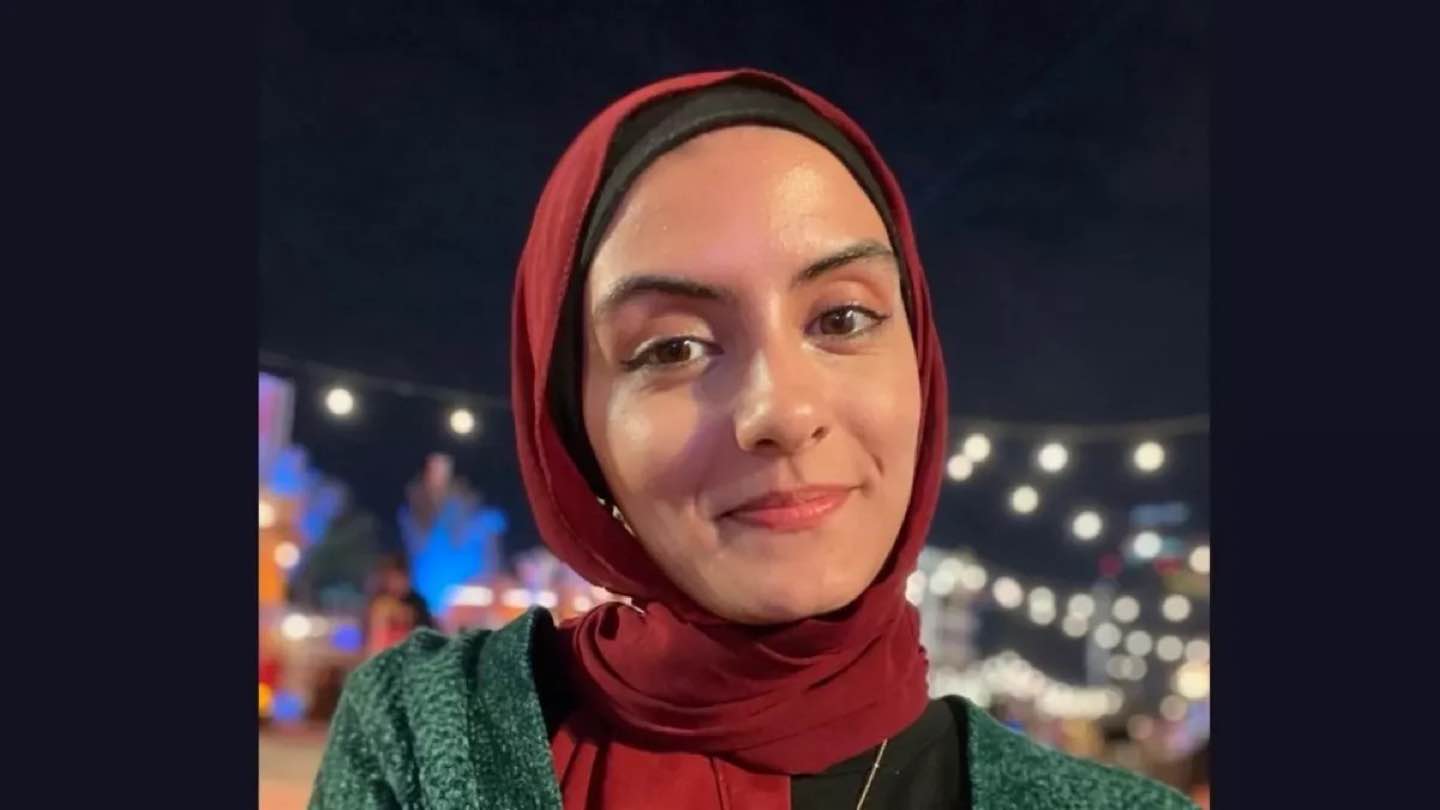
Amena El Ashkar, a stateless Palestinian and a Chevening scholarship alumnus, dreamed of pursuing her PhD at the prestigious London School of Economics (LSE). However, her aspirations were dashed when the Home Office denied her student visa application, claiming that her presence in the UK was not “conducive to the public good.”
Free toolUSCIS Receipt Number DecoderEl Ashkar, who was born and raised in a Palestinian refugee camp in Lebanon, previously secured the coveted Chevening scholarship from the Foreign Office in August 2019. This scholarship allowed her to complete a master’s degree at the School of Oriental and African Studies (SOAS). With high hopes, she applied for a visa in August 2022 to embark on her PhD journey at LSE but was met with rejection from the Home Office.
Judicial Response and Official Apology
The visa refusal led to a legal battle, shedding light on the Home Office’s “shockingly poor” and “seriously flawed” decision-making processes. The upper tribunal criticised the Home Office for a “litany of errors,” including the failure to inform El Ashkar that her visa refusal had been personally certified by the then Home Secretary, Suella Braverman. This pivotal misstep meant that the legal challenge was erroneously directed to the wrong court.
The current Home Secretary, James Cleverly, subsequently issued an “unreserved and unqualified apology” to El Ashkar for the “serious errors” committed. This remarkable apology underscores the gravity of the Home Office visa errors and marks a rare acknowledgment of fault by the government body.
“I felt that my life was falling apart,” El Ashkar shared, expressing her distress over the ordeal. Her case has brought to light the challenges faced by individuals with complex immigration and nationality backgrounds when navigating the UK visa system.
Contradictions and Challenges
El Ashkar’s lawyer, Alexander Hogg of Gold Jennings Solicitors, pointed out a “central contradiction” in the Home Office’s decision-making process. While the Foreign, Commonwealth and Development Office (FCDO) recognized El Ashkar as an “emerging leader” by awarding her the Chevening scholarship, the Home Office contradicted this stance by refusing her visa without providing a clear justification.
“On the one hand you have the FCDO awarding Amena a Chevening scholarship…Then, on the other hand, you have the Home Office refusing Amena a visa on the basis that her presence in the UK will not be conducive for the public good and not providing any reason,” Hogg elucidated.
Despite this setback, James Cleverly has indicated his willingness to make a fresh decision on El Ashkar’s visa application, offering a glimmer of hope for the resolution of the Palestinian refugee student visa apology case.
The Road Ahead
The incident involving Amena El Ashkar highlights the complex interplay between immigration policies, refugee rights, and educational opportunities in the UK. It serves as a poignant reminder of the need for transparency, fairness, and sensitivity in handling visa applications, especially those involving vulnerable individuals and refugees.
As El Ashkar awaits a decision on her visa, her case stands as a testament to the resilience of individuals who navigate formidable bureaucratic obstacles in pursuit of their academic and professional dreams. It also raises critical questions about the alignment between the UK’s immigration policies and its commitment to fostering global leadership through initiatives like the Chevening scholarship program.
For individuals navigating similar challenges, it’s crucial to stay informed about your rights and the processes involved in visa applications. Authoritative immigration sources such as the UK Visas and Immigration (https://www.gov.uk/government/organisations/uk-visas-and-immigration) provide essential information and guidance for applicants.
Amena El Ashkar’s case is a powerful reminder of the human stories behind immigration statistics and the profound impact of policy decisions on individual lives. It underscores the importance of diligence, fairness, and compassion in the administration of immigration laws and policies.
Learn Today:
Glossary of Immigration Terminology
- Home Office: The government department responsible for immigration control, security, and law and order in the UK.
-
Palestinian Refugee: An individual of Palestinian descent who has been forced to flee their homeland due to conflict or persecution, often leading to statelessness and challenges in obtaining legal documentation.
-
Visa Application: A formal request submitted by an individual to enter a country for a specified purpose, such as studying, working, or visiting.
-
Public Good: A legal concept referring to actions or decisions that benefit the general public or society as a whole.
-
Chevening Scholarship: A prestigious scholarship program funded by the UK government that enables outstanding students and professionals from around the world to study in the UK.
-
Stateless: Refers to a person who is not considered a national by any country, which can present challenges in accessing rights and services available to citizens.
-
Legal Battle: A dispute or conflict that is resolved through legal proceedings in court.
-
Upper Tribunal: An independent judicial body in the UK that hears appeals on immigration, asylum, and other legal matters.
-
Home Secretary: The UK government minister in charge of the Home Office and responsible for immigration policy and security.
-
Official Apology: A formal expression of regret or acknowledgment of wrongdoing by a government or organization.
-
Judicial Response: Actions taken by the court system in response to legal challenges or disputes.
-
Bureaucratic Errors: Mistakes or faults within administrative processes or governmental procedures.
-
Visa Refusal: The denial of a visa application by immigration authorities, often citing reasons related to eligibility, security, or public interest.
-
Immigration Policies: Laws and regulations related to the entry, stay, and rights of foreign nationals in a country.
-
FCDO (Foreign, Commonwealth and Development Office): The UK government department responsible for foreign affairs, international development, and diplomacy.
-
Emerging Leader: An individual recognized for their potential to become a future leader in their field, often through prestigious awards or scholarships.
-
Legal Challenge: A process where a person disputes a decision or action through legal avenues, such as courts or tribunals.
-
Human Stories: Personal narratives and experiences that highlight the real-life impacts of immigration policies and decisions.
-
Resilience: The ability to overcome challenges or adversity, often demonstrated in the face of obstacles in the immigration process.
-
Bureaucratic Obstacles: Hurdles and complexities within governmental systems and procedures that individuals must navigate to achieve their immigration goals.
In the whirlwind of visa complexities, Amena El Ashkar’s tumultuous journey underscores the need for transparency and compassion. For further insights on navigating immigration waters, dive into visaverge.com. Stay informed, stay empowered!
This Article In A Nutshell:
Amena El Ashkar, a Palestinian refugee and Chevening scholar, faced visa issues for her PhD in the UK, sparking an international debate. The Home Office admitted grave errors and extended a rare apology, highlighting flaws in the system. This case sheds light on the challenges immigrants face. Fairness and clarity are imperative in visa procedures.