A Comprehensive Analysis of the Differential Impact of Immigration on Socioeconomic Classes
Introduction

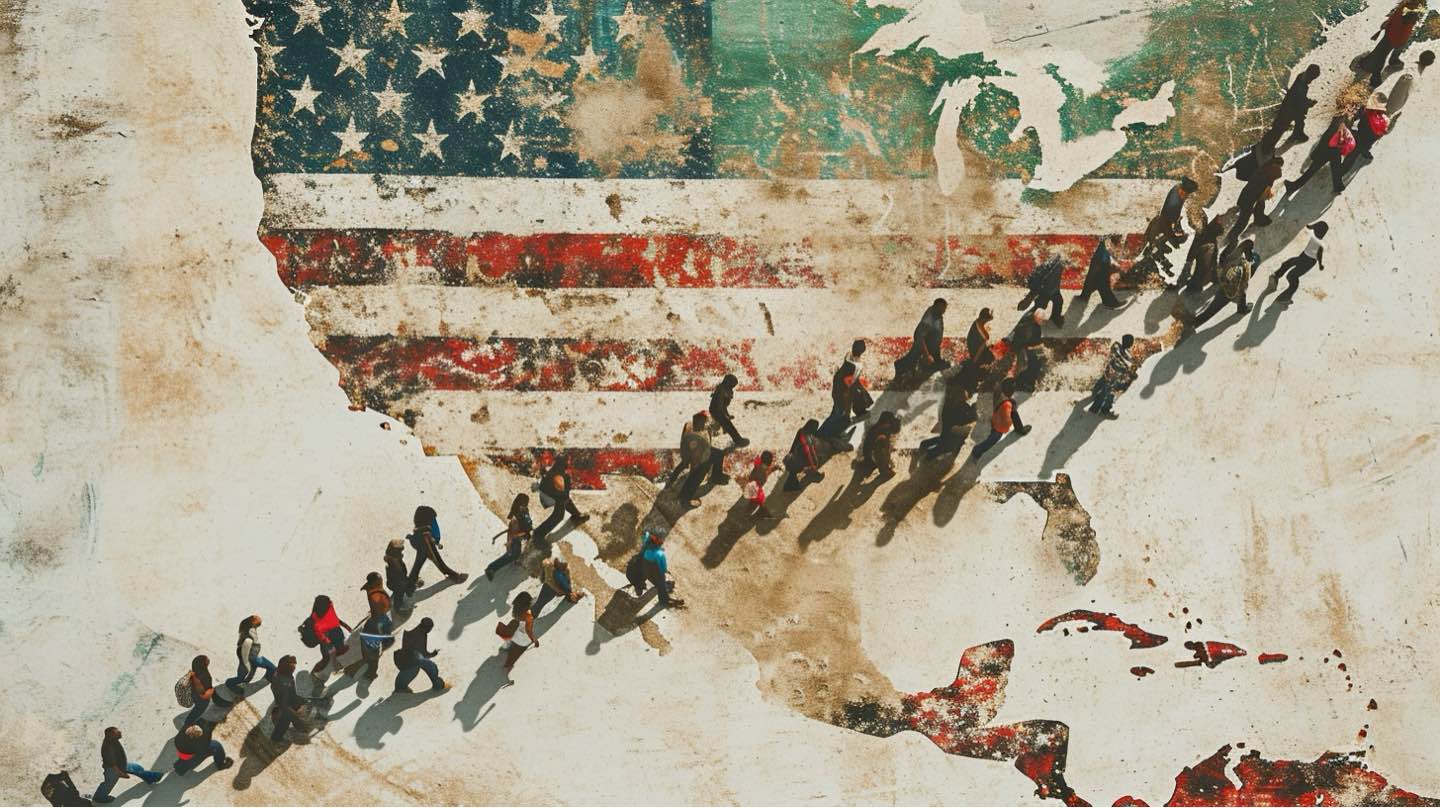
Immigration has been a contentious topic for decades, with proponents and opponents often engaging in heated debates over its myriad social, economic, and political implications. While some argue that immigration brings innumerable benefits to the host country, others contend that it poses significant challenges, particularly for the middle class and lower-income segments of the population. This blog post delves into the complex relationship between immigration and socioeconomic classes, exploring the divergent effects it can have on different segments of society.
Immigration and the Middle Class: A Double-Edged Sword
The middle class, often considered the backbone of a stable and prosperous society, can be both positively and negatively impacted by immigration. On the one hand, an influx of immigrants can introduce new skills, perspectives, and entrepreneurial spirit, leading to economic growth and innovation. Studies have shown that immigrants are more likely to start businesses than native-born citizens, creating jobs and contributing to the overall GDP. However, on the other hand, immigration can also intensify competition for jobs, particularly in sectors where immigrant labor is concentrated. This can lead to downward pressure on wages and job displacement, especially for low-skilled workers.
Free toolUSCIS Receipt Number DecoderThe Wealthy: Disproportionate Beneficiaries of Immigration
The wealthy, possessing ample resources and opportunities, often reap the most significant benefits from immigration. They can take advantage of the increased labor force to grow their businesses, invest in new ventures, and access a wider pool of talent. The influx of immigrants can also lead to a rise in demand for luxury goods and services, further enriching the affluent. Moreover, the wealthy can leverage their political influence to shape immigration policies that favor their interests, perpetuating the cycle of advantage.
Policy Implications: Striking a Balance
Navigating the complex interplay between immigration and socioeconomic classes requires a delicate balance between maximizing the benefits and mitigating the potential drawbacks. Governments must recognize the multifaceted nature of immigration’s impact and develop policies that address the concerns of all societal groups. This may involve investing in education and training programs to enhance the skills of native-born workers, promoting job creation in sectors that are less susceptible to competition from immigrant labor, and implementing policies that ensure equitable distribution of resources and opportunities.
Conclusion
The impact of immigration on socioeconomic classes is a multifaceted issue with no easy answers. While immigration can bring economic vitality and innovation, it can also exacerbate existing inequalities. To harness the benefits of immigration while minimizing its negative consequences, policymakers must carefully consider the differential impacts and strive to create a fair and just society that benefits all its members.
External Resources:
- US Citizenship and Immigration Services
- International Organization for Migration
- Migration Policy Institute
Learn Today:
Glossary of Immigration Terminology
1. Immigration:
The process of individuals moving from one country to another to establish residence, typically with the intent of staying for an extended period. Immigration can occur for various reasons, such as seeking better economic opportunities, reuniting with family members, or fleeing persecution in their home country.
2. Socioeconomic Classes:
Different strata or categories of society based on a combination of economic and social factors, including income, education, occupation, and social status. Socioeconomic classes often determine individuals’ access to resources, opportunities, and quality of life.
3. Middle Class:
A socio-economic group positioned between the wealthy or upper class and the lower-income or working class. The middle class typically represents a significant portion of the population and plays a crucial role in maintaining economic stability and social cohesion within a society.
4. Downward Pressure on Wages:
A phenomenon where increased competition for jobs, often due to factors like immigration, can lead to a decrease in average wages or inhibit wage growth. Downward pressure on wages can particularly affect lower-skilled or low-income workers.
5. GDP (Gross Domestic Product):
The total value of goods and services produced within a country’s borders within a specific period. GDP is a key indicator of a country’s economic health and productivity.
6. Displacement (in the context of job displacement):
The situation where workers lose their jobs due to various factors such as automation, outsourcing, or increased competition, including from immigrant workers. Job displacement can have negative economic and social consequences for individuals and communities.
7. Policy Implications:
The potential consequences and effects of implementing specific laws, regulations, or government actions. Policy implications related to immigration consider how decisions made by policymakers can impact different segments of society and address social, economic, and political concerns.
8. Multifaceted:
Describing a situation or issue that has many different aspects, complexities, or dimensions. Immigration’s impact on socioeconomic classes is often multifaceted, meaning it involves various factors, perspectives, and consequences that need to be carefully considered.
9. Equitable Distribution:
The fair and just allocation or sharing of resources, opportunities, or benefits among different groups in society. Achieving equitable distribution is a key consideration in immigration policies to ensure that the advantages and disadvantages of immigration are distributed fairly across all socioeconomic classes.
10. Political Influence:
The ability of individuals or groups to shape government policies and decisions by lobbying, campaigning, or leveraging their influence within political systems. Political influence can impact immigration policies, determining how migration is regulated and who benefits most from immigration.
In conclusion, navigating the impacts of immigration on socioeconomic classes is a nuanced challenge. While immigration can spark innovation and economic growth, it can also intensify inequalities. For a deeper dive into immigration topics, check out more insights on visaverge.com. Happy exploring!
This Article In A Nutshell:
Understanding how immigration affects various socioeconomic classes is crucial. It can boost economies through innovation but also create job competition. Wealthy individuals benefit most, influencing policies in their favor. Striking a balance is key; policies need to ensure fair opportunities for all members of society.