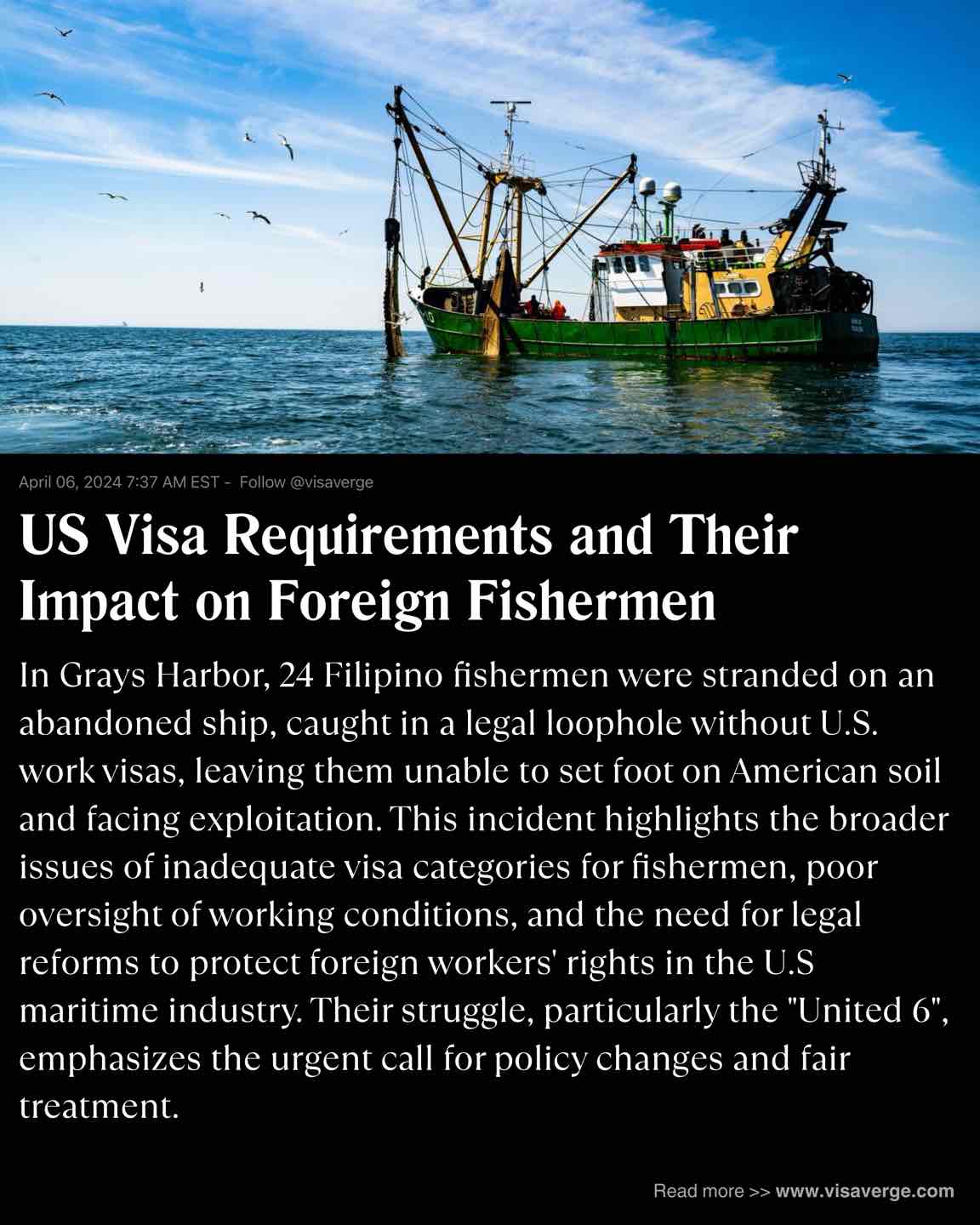
In the serene waters of Grays Harbor, west of Olympia, a gripping saga unfolded that quietly echoed across the maritime world. At the heart of this story were 24 Filipino fishermen, marooned on a ship that destiny had cruelly marked as abandoned, starting from the fall of the last year. Their predicament sheds light on a broader issue involving US visa requirements and the rights, or the lack thereof, for foreign fishermen working under the American flag.
What Happened to the Filipino Fishermen at Grays Harbor?
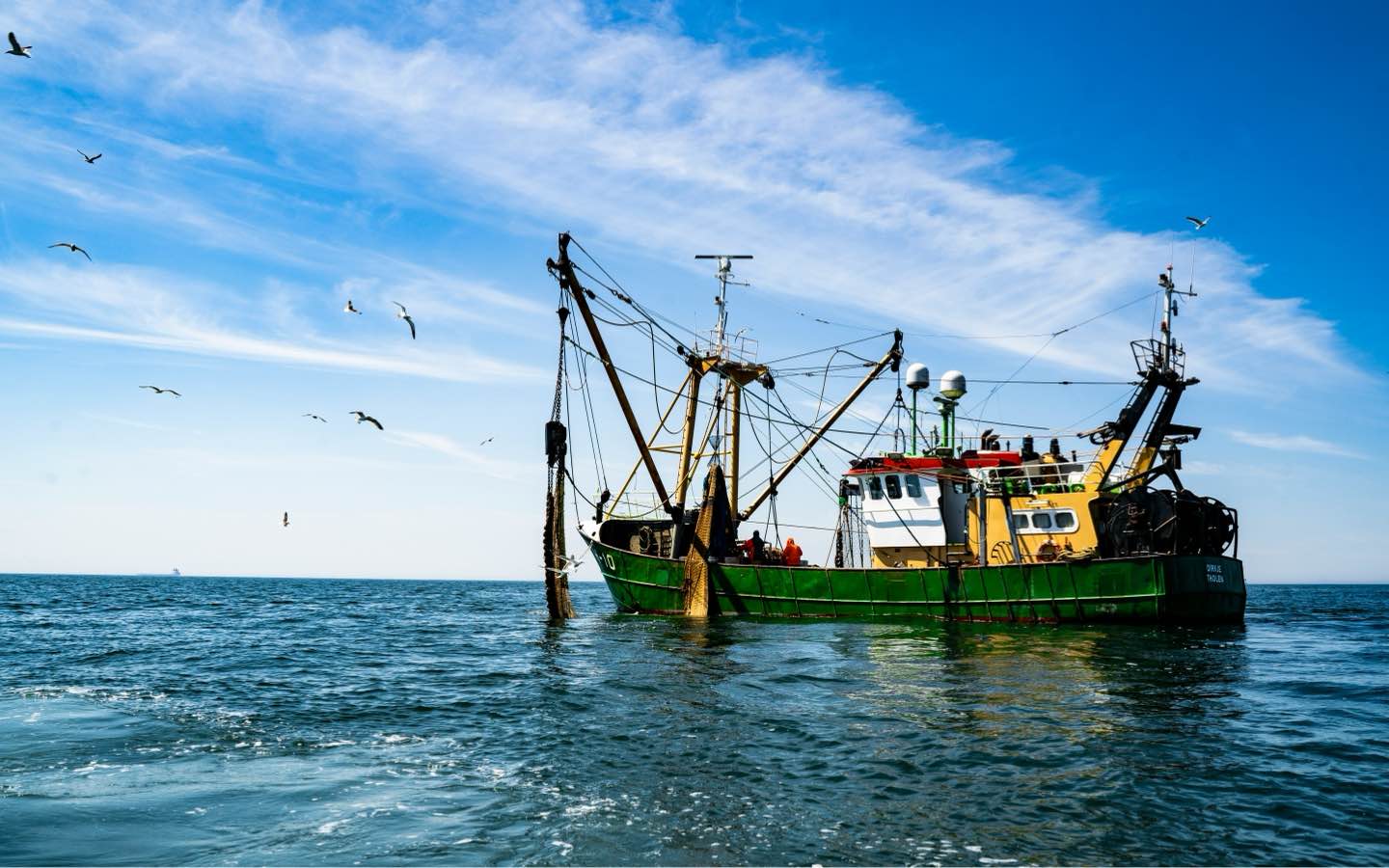
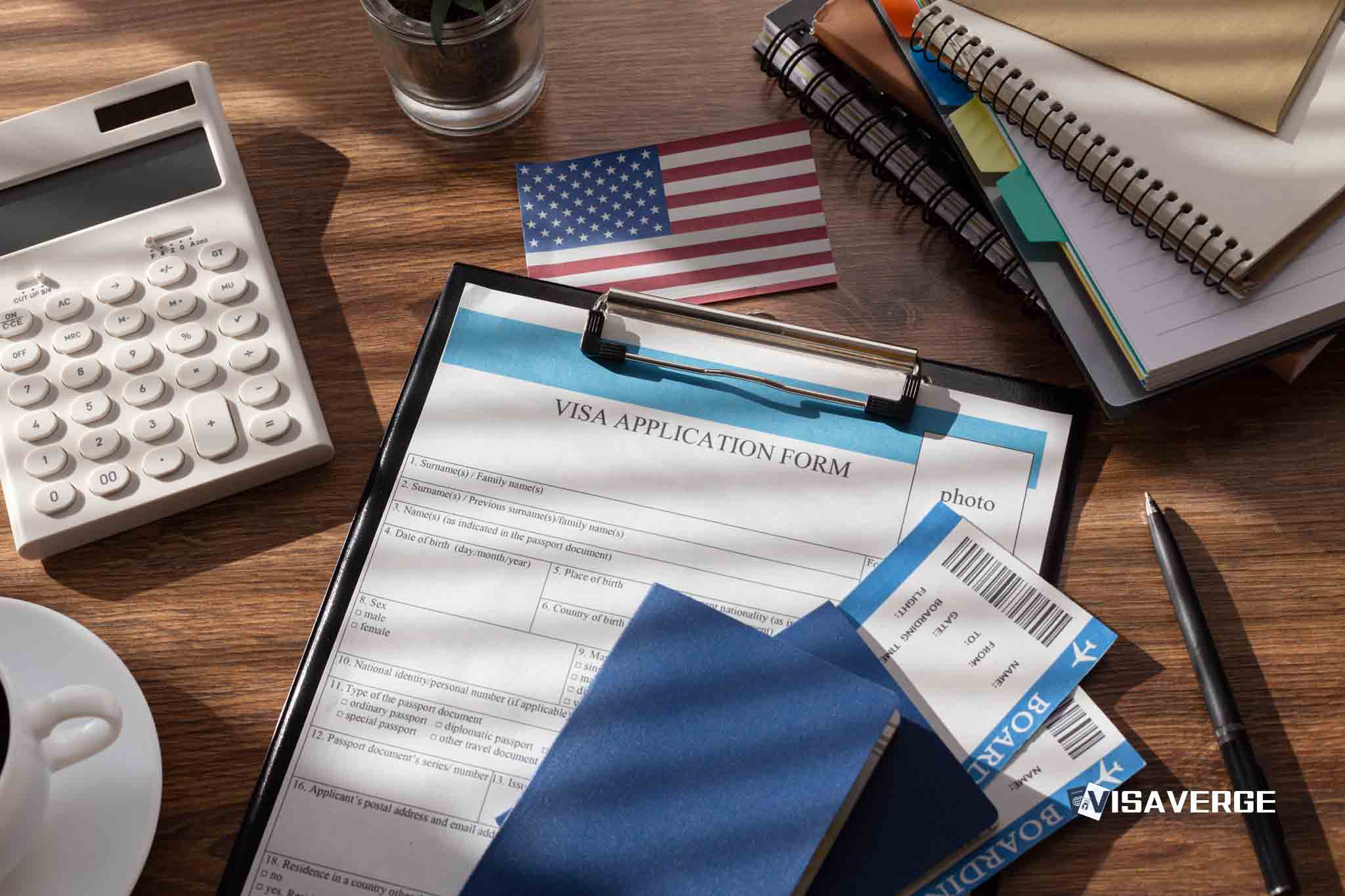
The fishermen’s ordeal began when they were employed by an American company, expecting to earn their livelihoods on the vast expanse of the sea. However, reality soon turned bleak. Despite their tireless effort in catching and preparing seafood, a fundamental piece of their employment puzzle was missing – a U.S. work visa. Without it, setting foot on U.S. soil could result in fines up to $5,000, effectively chaining them to the only world they knew, the sea.
Why Didn’t The Fishermen Have US Visas?
The root of this dilemma lies in the structure of US visa requirements. “There’s not actually a visa category for fishermen,” explained Farah Eltohamy, one of the investigative reporters who unearthed this story. This legal loophole meant that the fishermen were caught in a no-man’s-land, deprived of the opportunity to land on U.S. soil despite serving an American company. The lack of a work visa also meant that their working conditions went unmonitored, leaving them vulnerable to exploitation.
The Plight of Overseas Workers’ Rights
The situation of these fishermen vividly illustrates the gaps in worker rights for foreign nationals. Lizz Giordano, another reporter who brought this issue to light, noted the absence of oversight on working conditions for those without a work visa. This oversight is critical, as it directly impacts the well-being and fair treatment of workers.
Who Are the “United 6”?
While most of the Filipino crew has since returned to their homeland, a group referred to as the “United 6” chose to remain in Seattle. Their mission? To fight for the full wages they had earned but were not given. Their struggle emphasizes the dire need for legal and institutional reforms to safeguard the rights of foreign workers in similar predicaments.
Calling for Change
“The definition of forced labor is that you’re working under some sort of threat. For example, in this case, the men were under the threat of, if we get off the boats, we’re gonna be charged $5,000,” Eltohamy poignantly remarked. This scenario underscores the broader issues of forced labor and the absence of visa protections for fishermen, despite the inherent risks of their job.
Seeking Solutions and Legal Reforms
The plight of these Filipino fishermen is a clarion call for reevaluating US visa policies and labor laws, especially pertaining to foreign workers in the maritime industry. Ensuring fair treatment, proper wages, and humane working conditions for all workers, regardless of their origin, is a fundamental step toward a more equitable and just system.
For those seeking more information on US visa policies and rights for foreign workers, the U.S. Department of State’s Bureau of Consular Affairs offers comprehensive resources and guidelines.
This compelling story from the docks of Westport Marina serves as a somber reminder of the challenges faced by foreign fishermen and the pressing need for policy reform. It highlights the importance of legal protection and proper visa categorization to safeguard the rights and well-being of workers globally, ensuring that no one is left adrift in a sea of legal ambiguity.
This Article In A Nutshell:
Filipino fishermen stranded at Grays Harbor faced visa challenges working for a US company. Dubbed the “United 6,” their fight for rightful pay spotlights gaps in labor laws. Legal reforms are needed to ensure fair treatment of foreign maritime workers. The tale prompts introspection on visa regulations to protect global labor rights.
— By VisaVerge.com