GRATEFUL Act Aims to Improve US Immigrant Visa Program
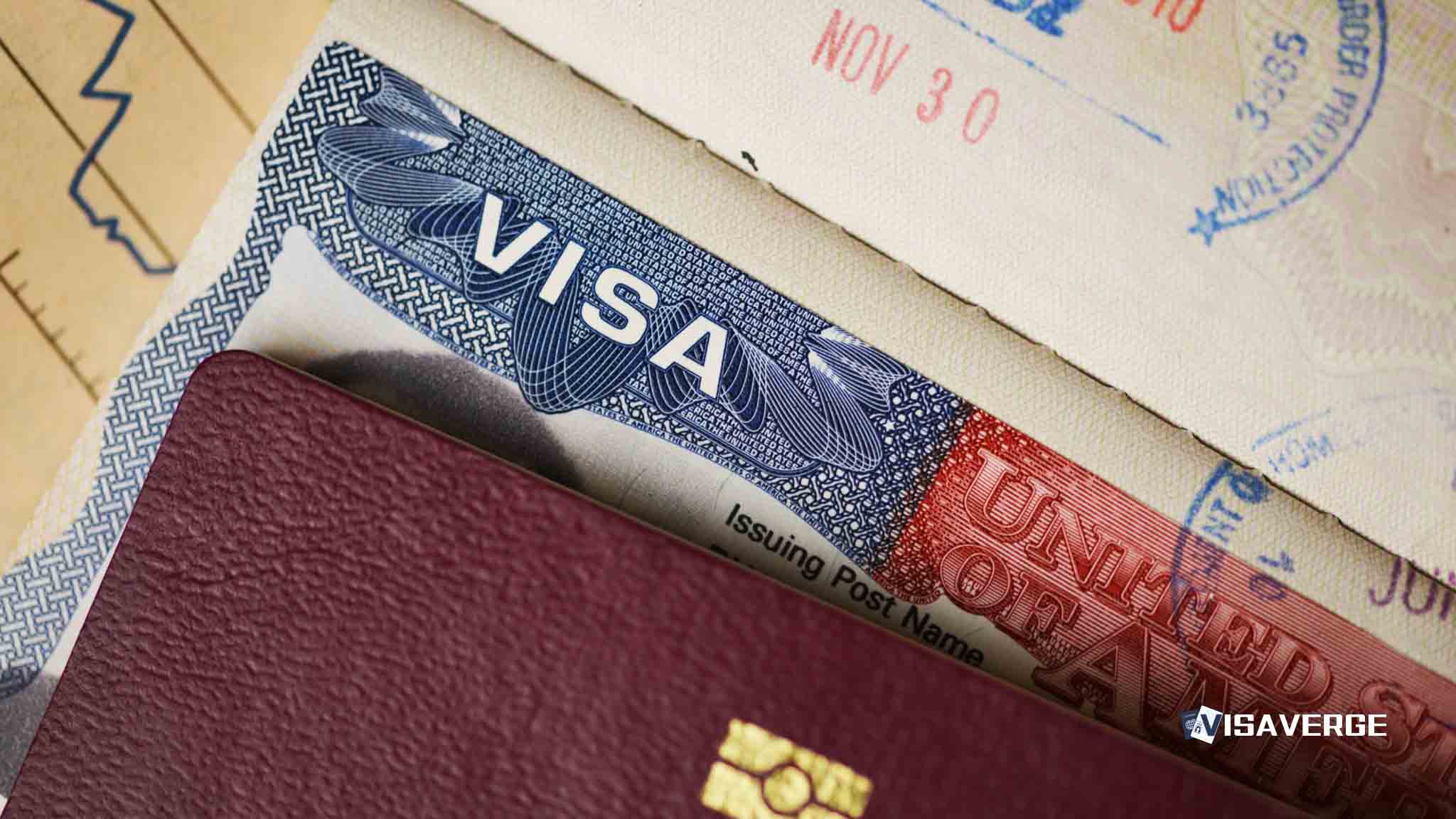
In a recent move to expedite the immigration process for dedicated overseas employees and their families, the United States Senate has approved the GRATEFUL Act as a part of the broader FY 2024 National Defense Authorization Act (NDAA). Senators Chris Van Hollen (D-Md.) and Thom Tillis (R-N.C.) are at the forefront of this bipartisan immigration legislation, pushing for a system that allows these employees to immigrate more efficiently.

Reducing Visa Wait Times for Exceptional Service
“The GRATEFUL Act will help ensure that the US honors its commitment to those who bravely took great risks in order to help advance US missions abroad,” said Senator Van Hollen, highlighting the essential roles these individuals play. The legislation targets the years-long backlog currently plaguing applicants, some of whom are facing an estimated 14-year wait to receive their visas.
Honoring Commitment to US Government Employees Abroad
Senator Tillis emphasized the importance of maintaining the loyalty of foreign nationals who serve US interests abroad.
“We are able to keep our commitment to exceptional employees who serve the US and to keep our nation safer,” he stated. The act recognizes the invaluable contribution of these workers, who often put themselves at risk in volatile environments to support US policy objectives.
What is the US Immigrant Visa Program for Government Employees?
Implemented in 1990, certain US government employees overseas qualify under the Employment-Based Fourth Preference (EB4) immigrant visa category. However, due to the cap of 7.1 percent of the total visas, or about 9,940 visas annually, this category has become overburdened, leading to significant wait times.
The GRATEFUL Act addresses this by reallocating visas from the NACARA offset, a component of the Diversity Visa (DV) program, thus preserving visa availability for US government employees abroad. This move aims to keep essential talent within the fold and ensure that America remains a welcoming place for those who have served it loyally.
Seeking More Information?
For individuals seeking to understand the complexities of the US immigrant visa program or the specifics of the GRATEFUL Act, it can be beneficial to consult official immigration resources:
- U.S. Department of State – Bureau of Consular Affairs provides detailed information on various visa categories and application procedures.
- U.S. Citizenship and Immigration Services (USCIS) is the government agency that oversees lawful immigration to the United States and can offer guidance on policy changes.
The bipartisan effort to pass the GRATEFUL Act represents a commitment to valuing and safeguarding the rights of those who play a vital part in furthering the nation’s interests internationally.
So there you have it, folks! The GRATEFUL Act is like a fast lane pass for dedicated overseas employees looking to immigrate to the US. No more waiting in visa limbo! Props to Senators Van Hollen and Tillis for pushing this bipartisan legislation. If you want to dive deeper into the nitty-gritty of the US immigrant visa program, head on over to visaverge.com. Happy exploring, my fellow immigration enthusiasts!
This Article in a Nutshell:
The US Senate has passed the GRATEFUL Act to expedite the immigration process for dedicated overseas employees and their families. The legislation aims to reduce the backlog currently facing applicants, who can wait up to 14 years for a visa. It recognizes the important role these employees play in advancing US missions abroad. For more information, consult the Department of State and USCIS websites.