(UNITED STATES) The United States Department of Homeland Security has placed 15 Kenyans on a high‑profile deportation list labeled the “Worst of the Worst”, naming non‑citizens convicted of serious crimes across several states and placing them at the center of President Donald Trump’s sharpened removal drive during his second term.
The list, released publicly on December 10, 2025, is part of a new online database that DHS says is meant to show the public which immigrants it considers priorities for removal. Under the leadership of DHS Secretary Kristi Noem, the department has framed the list as a direct answer to President Trump’s order to focus on, in her words, “the worst of the worst criminal aliens.” According to analysis by VisaVerge.com, the move marks one of the most visible efforts so far to show how the administration is carrying out that directive.
Where and how the arrests happened
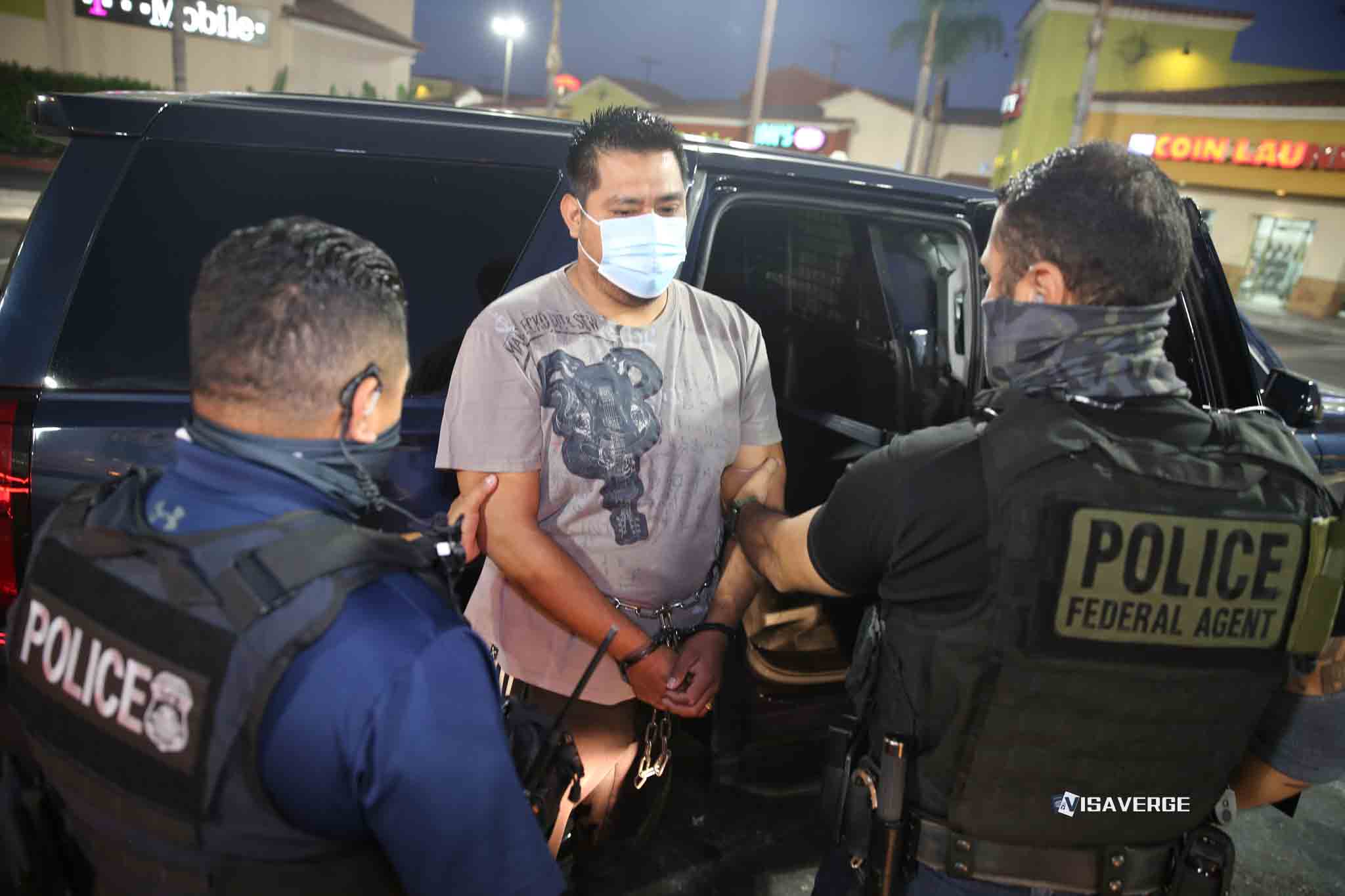
The 15 Kenyans, both men and women, were arrested in coordinated operations in Texas, California, Arizona, Tennessee, Utah, Minnesota, Pennsylvania, and other states. Officials say the group includes people with convictions ranging from drunk driving and drug offenses to kidnapping and aggravated assault, and they are now flagged in the DHS deportation list as top‑tier removal cases.
While DHS has often prioritized people with serious criminal records, formally branding a subset of them as the Worst of the Worst underscores how the administration wants to spotlight individual immigrants as examples.
Named individuals and alleged offenses
Each name in the database includes the person’s conviction history, location, and immigration status, placing them in view of both immigration agents and the public. The article lists several of the 15 by name and alleged conviction:
| Name | Location | Alleged conviction(s) |
|---|---|---|
| Daniel Kathii | Conroe, Texas | Driving under the influence |
| Moffat Muriithi | Seguin, Texas | Drug‑related offenses |
| Kevin Gunyanyi | Lancaster, Pennsylvania | Assault, threats, and terroristic offenses |
| Collins Keanche | Saint Cloud, Minnesota | Check forgery and money laundering |
| Mohamed Chekchekani | San Pedro, California | Kidnapping a minor and RICO violations |
| Isaac Githinji | Apache Junction, Arizona | Flight to avoid prosecution |
| Moses Okoth | Nashville, Tennessee | Aggravated assault with a weapon |
| Clement Mulovi | Houston, Texas | Fraud |
| Naserian Montet | Spanish Fork, Utah | Assault and violation of court orders (the only woman named) |
Note: The DHS database contains 15 Kenyans in total; the table above lists the individuals named in the article and their cited charges.
The new DHS database and its stated purpose
The launch of the database, which DHS says holds hundreds of thousands of immigration cases, fits directly into the broader enforcement strategy that began when President Trump took office again on January 20, 2025. The administration has promised to raise arrests and deportations of undocumented immigrants with serious criminal records, arguing that this approach will increase public safety.
The public‑facing system, housed on the U.S. Department of Homeland Security website, is presented as a tool for transparency and enforcement visibility, allowing anyone to:
- search for cases,
- review criminal histories, and
- see which immigrants federal authorities are tracking most closely.
Community impact — Kenyan diaspora and remittances
For the Kenyan diaspora in the United States, the appearance of 15 community members on a national deportation list has been painful.
- Families who depend on money sent home from relatives in the 🇺🇸 now fear the loss of income if those relatives are deported.
- There is also fear of public stigma tied to the “Worst of the Worst” label, which community leaders warn risks feeding stereotypes about African immigrants.
Remittances from the United States form a lifeline for many households in Kenya, covering school fees, medical bills, and daily living costs. When a breadwinner is detained or deported, families often lose that support overnight. Relatives of those now on the list face the real possibility that financial help could stop if deportation orders are carried out, adding an economic layer to an already deeply emotional crisis.
Reactions: supporters, critics, and legal advocates
Supporters and some victims’ advocates say the focus on serious offenders is overdue. Their main points:
- Immigrants who commit violent crimes, large‑scale fraud, or offenses against children should be removed quickly.
- They welcome a system that highlights such cases in one place.
- For them, the Worst of the Worst label emphasizes the seriousness of the crimes rather than the nationality of those named.
Legal and civil‑rights advocates raise other concerns:
- Public lists can blur the line between someone’s past crime and their current danger to society.
- All 15 Kenyans have already been through criminal courts and served sentences or are in custody; immigration removal is a separate civil process layered on top of criminal punishment.
- Being on a DHS list does not remove the right to seek protection if a person faces harm in their home country, though such relief is often difficult to obtain for those with serious convictions.
The new DHS platform does not change the basic legal framework that governs deportation, but it does change how cases are presented to the public.
Practical effects on enforcement and public perception
By grouping people into categories like Worst of the Worst, the system sends a clear signal about who the administration wants to remove first. That ranking can influence:
- how quickly Immigration and Customs Enforcement officers act on a case,
- how detention resources are allocated, and
- how field offices set daily priorities.
For many ordinary immigrants, the visibility of this list increases fear—even if they have no criminal record. Community groups report that some people now worry any contact with local police, even for a traffic stop, could lead to their names appearing in a federal database. Although the current list focuses on individuals with serious convictions, the publicity around the tool feeds a wider sense of being watched.
International and diplomatic considerations
Officials in Nairobi are watching closely. While Kenya has long accepted deported nationals from the 🇺🇸, high‑profile cases can strain diplomatic ties—especially when families contest facts or claim return would place relatives in danger. Though the current DHS list focuses on crime rather than politics, each high‑profile removal has the potential to become a bilateral issue, particularly when it involves people who have lived abroad for many years.
Broader trend and final considerations
The DHS move reflects a broader trend in immigration policy: the use of large public databases as both enforcement tools and political signals. By naming real people, including these 15 Kenyans, and linking them to a Worst of the Worst label, the administration is:
- signaling a tough stance on crime to supporters, and
- prompting critics to warn about harm to immigrant communities and families on both sides of the ocean.
Key takeaways:
- The list publicly highlights certain non‑citizens as enforcement priorities.
- It does not alter the underlying legal framework for deportation.
- It raises both enforcement efficiencies and significant social, legal, and diplomatic concerns.
DHS published a public database and named 15 Kenyans on a high‑profile “Worst of the Worst” deportation list, citing convictions from DUI to kidnapping. Arrests occurred in multiple states as part of coordinated operations. The platform, which DHS says contains hundreds of thousands of cases, is intended to show enforcement priorities under Secretary Kristi Noem and President Trump’s second‑term directive. Critics warn of stigma, legal complexity, family economic harm from lost remittances, and potential diplomatic strain with Kenya.