- United Airlines has extended its flight suspension between Newark and Tel Aviv until at least mid-June 2026.
- Security concerns and damage at Ben Gurion Airport have forced numerous international carriers to delay their return.
- Passengers are entitled to full refunds or rebooking under U.S. Department of Transportation regulations for canceled flights.
(TEL AVIV) — United Airlines has extended its suspension of direct Newark–Tel Aviv flights until at least mid-June 2026, keeping the route grounded as Israeli airspace restrictions and security concerns continue to disrupt service at Ben Gurion Airport.
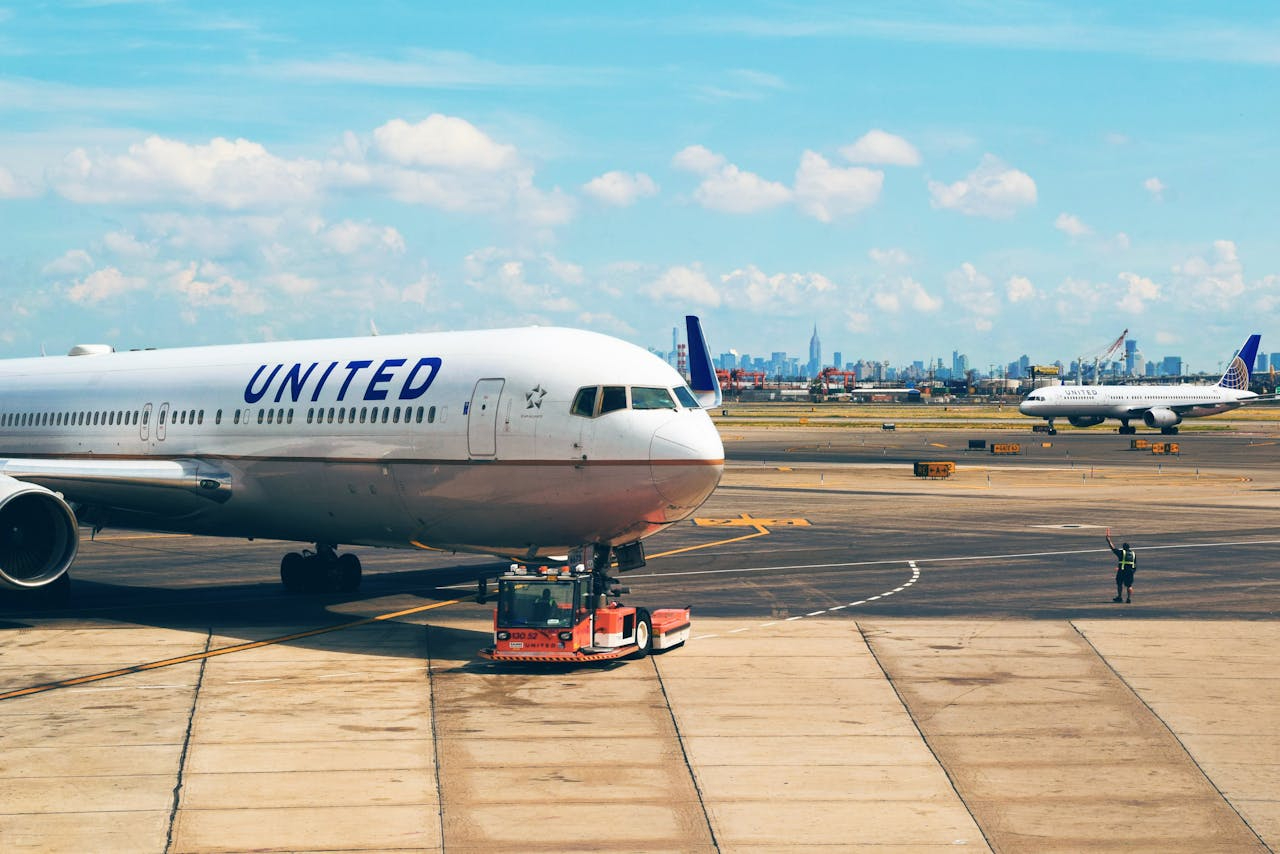
The carrier has suspended all direct flights between Newark Liberty International Airport and Ben Gurion Airport as of March 2026. It has not announced a firm date for restarting the route, but it has indicated that service will not resume before mid-June 2026.
That makes the United Airlines pause one of the longest among major U.S. carriers serving Israel. The decision leaves travelers, business passengers and immigrants with time-sensitive commitments searching for alternatives as flight options remain constrained.
Airspace Restrictions and Airport Damage
Restrictions on Israeli airspace sit at the center of the disruption. The Israel Civil Aviation Authority has issued a Notice to Airmen, or NOTAM, restricting activity in Israel’s airspace, while the EU Aviation Safety Agency and the U.S. Federal Aviation Administration have issued instructions against flying in the region.
Recent damage to three private aircraft at Ben Gurion Airport has tightened those restrictions further. Limits on airport operations have reduced its ability to handle international traffic and prompted airlines to keep reviewing whether conditions are safe enough to resume service.
United has framed the decision as a safety measure. “We will make decisions on resuming service with a focus on the safety of our customers and crews.”
The airline has tied its review process to official guidance from the U.S. Department of State, the FAA, Israeli authorities and airport security teams. Until those agencies signal that conditions have improved, the Newark–Tel Aviv route will remain suspended.
Other Airlines and Their Timelines
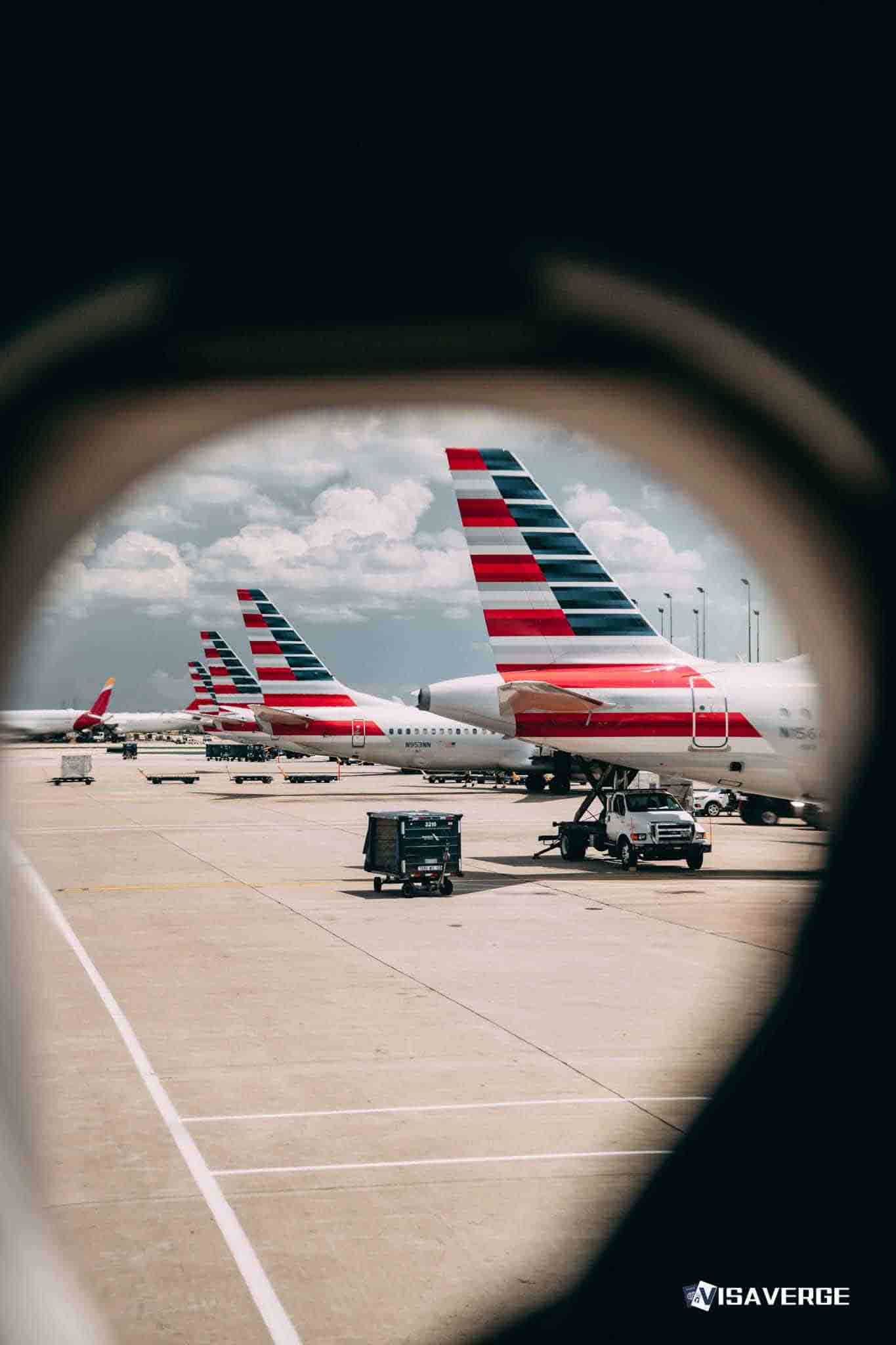
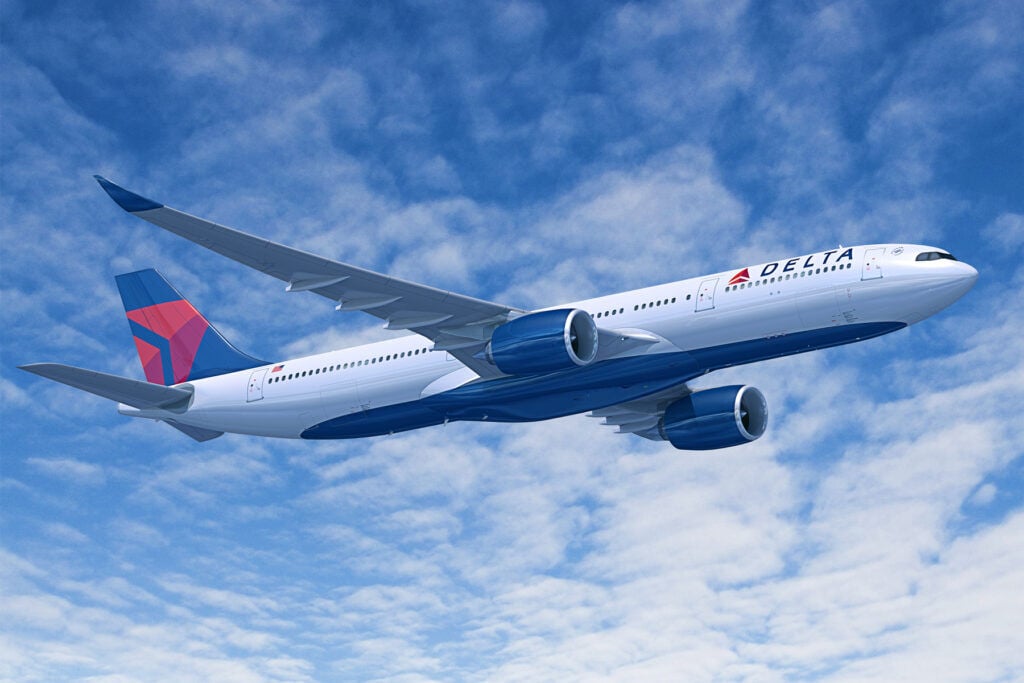
Other carriers have set different timelines, though many have also delayed returning to Israel. Delta Airlines is scheduled to resume Israel flights on April 1, 2026, and American Airlines is scheduled to resume flights on March 23, 2026.
Several foreign carriers have adopted longer suspensions. Wizz Air has extended cancellations until April 7, 2026, while flyDubai canceled all flights until April 30, 2026.
Lufthansa Group, including Lufthansa, Swiss, Austrian Airlines, Brussels Airlines and EuroWings, has canceled all Tel Aviv flights until April 2, 2026. easyJet has taken the longest view among the airlines listed, saying it will not resume flights for the entire summer season and plans to return in October.
Impact on Israeli Airlines
The disruption has spread well beyond foreign carriers. Israeli airlines have also cut schedules as restrictions at Ben Gurion Airport affect both incoming and outgoing operations.
El Al has canceled flights scheduled for March 21-27 to numerous European and North American destinations, including Boston, Fort Lauderdale and multiple European cities. Israir has canceled all scheduled flights until April 12, while Arkia is not selling tickets for flights before April 5 and has canceled scheduled flights through March 28.
Those cuts reflect more than caution by the airlines. Airport damage has also limited the number of passengers allowed on outbound flights, and Israeli airlines are operating only rescue flights under restrictions on scope and passenger capacity.
Passenger Rights and Airline Guidance
For passengers booked on canceled United Airlines service, U.S. Department of Transportation rules offer two basic protections. Travelers whose flights are canceled because of security concerns or government directives are generally entitled to either a full refund or rebooking on a later flight without additional charges.
United has said affected customers should monitor airline communications, review booking options and contact customer service for assistance. The airline has also said it will provide information on refund and rebooking options as conditions evolve.
Broader Effects on Travelers
The prolonged shutdown of the Newark–Tel Aviv route has created problems that go beyond missed vacations. Business travelers face disrupted meetings, delayed projects and higher travel costs when they try to reroute through connecting flights.
Students and workers can face deadline pressure if they cannot arrive on time for academic or job commitments. Immigrants and dual citizens handling visa renewals, green card applications or other paperwork also face added risk if they miss scheduled interviews or appointments.
Family travel has become harder as well. Weddings, funerals, religious holidays and family emergencies now require passengers to weigh the cost and uncertainty of indirect routes against the chance of missing important events altogether.
Some travelers may try to reach Israel through nearby countries and continue overland. But that option brings longer journeys, added visa complications, higher costs and fewer available seats, especially as many airlines have reduced or suspended Tel Aviv service.
Fares, Market Conditions and United’s Pattern
Current fare listings underscore how limited travel has become and how quickly costs can mount. Roundtrip economy fares from Tel Aviv currently include Miami from $908, Fort Lauderdale from $908, Las Vegas from $969, Newark/New York from $974, Los Angeles from $1,003 and San Francisco from $988.
Those fares reflect current market conditions and may change with availability and demand. Some may be for Basic Economy, with additional restrictions and possible baggage charges.
United’s approach follows a pattern it used during earlier regional security disruptions, including previous suspensions in October 2023. The airline has said it will continue to monitor the situation closely with government and aviation authorities before restoring the route.
The airspace restrictions also show how quickly operational decisions can shift when airports face physical damage and regulators issue flight guidance. Even when one carrier sets a restart date, airport limits and official instructions can force schedule changes with little notice.
For Tel Aviv, the damage at Ben Gurion Airport has had a direct effect on the pace of recovery. Carriers weighing a return must consider not only broader regional security concerns but also whether the airport can safely manage international traffic under current restrictions.
That has left United Airlines passengers without a direct Newark–Tel Aviv option for months, at a time when the corridor has high demand from tourists, business travelers, families and people managing immigration or legal deadlines. The continued suspension also places added pressure on connecting routes, where seats are more limited and travel times are longer.
The route’s absence is especially felt on the U.S.-Israel market because Newark has long served as one of the main gateways for nonstop service to Tel Aviv. As other carriers delay or trim their own schedules, the lack of a United option narrows the field further.
Travelers now face a planning environment shaped by official notices, airport operating limits and airline-by-airline decisions. Even where flights remain on sale, the broader restrictions around Ben Gurion Airport have made scheduling more fragile.
For now, United has given passengers one clear marker: no return before mid-June 2026. Until security conditions and aviation guidance shift, the airline’s Newark–Tel Aviv service will remain off the board, leaving one of the busiest links between the United States and Israel waiting for a safer moment to resume.