- Acting TSA head warns that airports may shut down as the federal government shutdown continues.
- Nationwide staffing shortages have seen call-out rates exceed 21% at major international travel hubs.
- Travelers are urged to arrive 3-4 hours early due to three-hour security wait times.
(UNITED STATES) — Adam Stahl, acting deputy administrator of the Transportation Security Administration, warned on March 17, 2026 that some U.S. airports may close if the partial government shutdown continues, with smaller airports facing the greatest risk as the agency runs short of staff to keep checkpoints open.
“Frankly, there’s not much else we can do. As the weeks continue, if this continues, it’s not hyperbole to suggest that we may have to quite literally shut down airports, particularly smaller ones,” Stahl said.
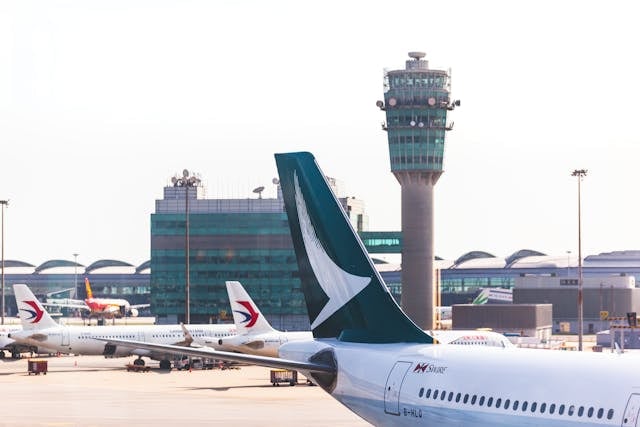
His warning pushed the shutdown beyond a budget fight in Washington and into daily airport operations across the country. TSA officers screen passengers, staff checkpoints and help determine whether terminals can keep moving, making their availability central to whether airports can function normally.
The partial shutdown affecting the Department of Homeland Security began on February 14, 2026, during a funding dispute between Democrats demanding changes to immigration enforcement and the Trump administration. By March 17, 2026, it had entered its fifth week.
More than 50,000 TSA agents at roughly 450 airports are deemed essential and have continued working without full pay. They received only one partial payment since the lapse, and many received $0 paychecks over the March 14-15 weekend.
That workforce strain has spread quickly through the national airport system. What began as a pay dispute is now shaping checkpoint capacity, wait times and the ability of TSA to move officers where they are needed most.
Call-out rates have climbed sharply during the shutdown. Nationwide rates exceeded 21% at airports including Hartsfield-Jackson Atlanta International, New York-JFK and Houston Hobby, compared with under 2% before the shutdown.
Resignations also rose. 366 TSA officers resigned between February 14 and March 16.
At the same time, the National Deployment Office, which sends relief staff to airports under pressure, is fully depleted. That leaves TSA with fewer options to plug staffing gaps when call-outs rise or passenger surges hit.
The combined effect has already shown up in passenger lines. Security waits stretched beyond 3 hours at some major hubs, with lines spilling into parking lots and garages.
Louis Armstrong New Orleans International advised travelers to arrive 3-4 hour early. Other airports have also pushed passengers to build extra time into their trips as staffing pressure collides with heavy spring demand.
Atlanta illustrates the scale of that collision. Hartsfield-Jackson expects more than 250,000 travelers from March 17-23, one of the busiest spring break periods in the country.
National demand remains high beyond one airport and one week. Airlines project 171 million U.S. flyers in March-April, raising the stakes for any further loss of screening capacity as the shutdown drags on.
Airline leaders have begun pressing Washington more openly as the effects reach travelers. CEOs from Delta, Southwest, FedEx, American, United and JetBlue issued a joint letter on March 15 urging Congress to fund aviation workers during shutdowns.
They pointed to a March 2026 AlphaROC poll showing 93% of Americans support funding aviation workers even during shutdown standoffs. Their intervention signaled that the issue had moved from employee strain to visible disruption in the travel system.
Lauren Bis, a DHS deputy assistant secretary, described the delays as the “severe fallout” of the “Democrat shutdown,” saying it was forcing “patriotic TSA officers” to work unpaid. Her comments underscored how the administration has framed the airport pressure as a direct result of the funding lapse.
Travelers have also lost some tools and services that normally help them track conditions. TSA paused its website and app functions on February 17, leaving no real-time wait times available nationally during the disruption.
That means passengers cannot rely on a national TSA wait-time view while conditions shift from airport to airport. During a period of long lines and fluctuating staffing, that loss has made planning harder for travelers trying to gauge how early they need to arrive.
Some programs have been restored, but others remain suspended. TSA PreCheck returned after a brief suspension, while Global Entry has remained suspended nationwide since February 22 as a cost-saving measure.
Other lower-priority services have also been cut back. Courtesy escorts for Congress members have been suspended.
For passengers, the practical effect is uneven service across the system. Some airports are still moving travelers through with delays, while others are warning of longer waits and thinner staffing, especially where managers have less room to shift personnel.
Smaller airports stand out because they have less flexibility than larger hubs. A single staffing shortage can carry more weight when fewer officers are available to cover a checkpoint or replace absent colleagues.
No airports had been publicly named for possible closure as of March 17. DHS has urged immediate restoration of funding, but the standoff remained unresolved as the day unfolded.
Senate Democrats sent a counteroffer to the White House on March 17, a sign that negotiations were continuing without a deal. Until funding resumes, airport managers and TSA officials face the prospect of more absences, more burnout and fewer options to stabilize operations.
Travelers with flights in coming days are left to monitor local conditions rather than count on one national picture. They should check individual airport sites or apps like MyTSA, FlightAware for updates, and arrive 3+ hours early at affected hubs like Atlanta, Austin-Bergstrom, Fort Lauderdale-Hollywood, and Miami.
Stahl’s warning captured how quickly the situation has shifted. If the shutdown extends deeper into the spring travel rush, the strain on TSA staffing could move from long lines and curtailed services to the possibility that some airports, particularly smaller airports, cannot stay open at all.
Live Government Data
State Dept • CBPBusiest Border Crossings
- Nogales 150 min
- Nogales 120 min
- Calexico 105 min