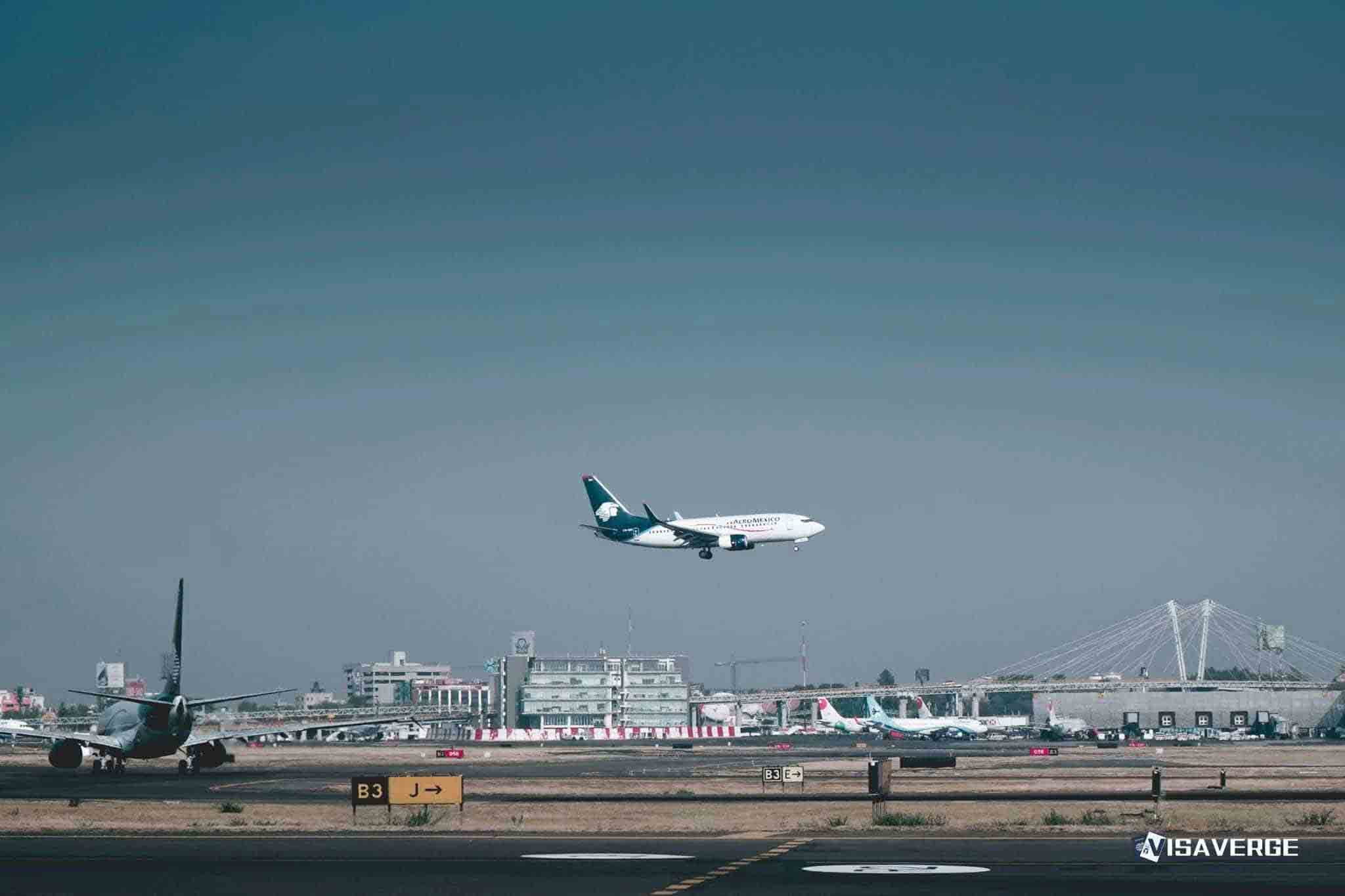
(SALEM, OREGON) — Travelers flying in or out of Salem-Willamette Valley Airport will no longer see the TSA on site, after the agency told city officials it would stop regulating the airport. If you use McNary Field (SLE) for charter, private, or cargo-related travel, your pre-flight routine may change quickly.
City officials were informed Tuesday that the TSA would no longer regulate the airport, according to Jason Roberts, spokesman for the City of Salem’s Public Works Department. The change took effect immediately after the notification.
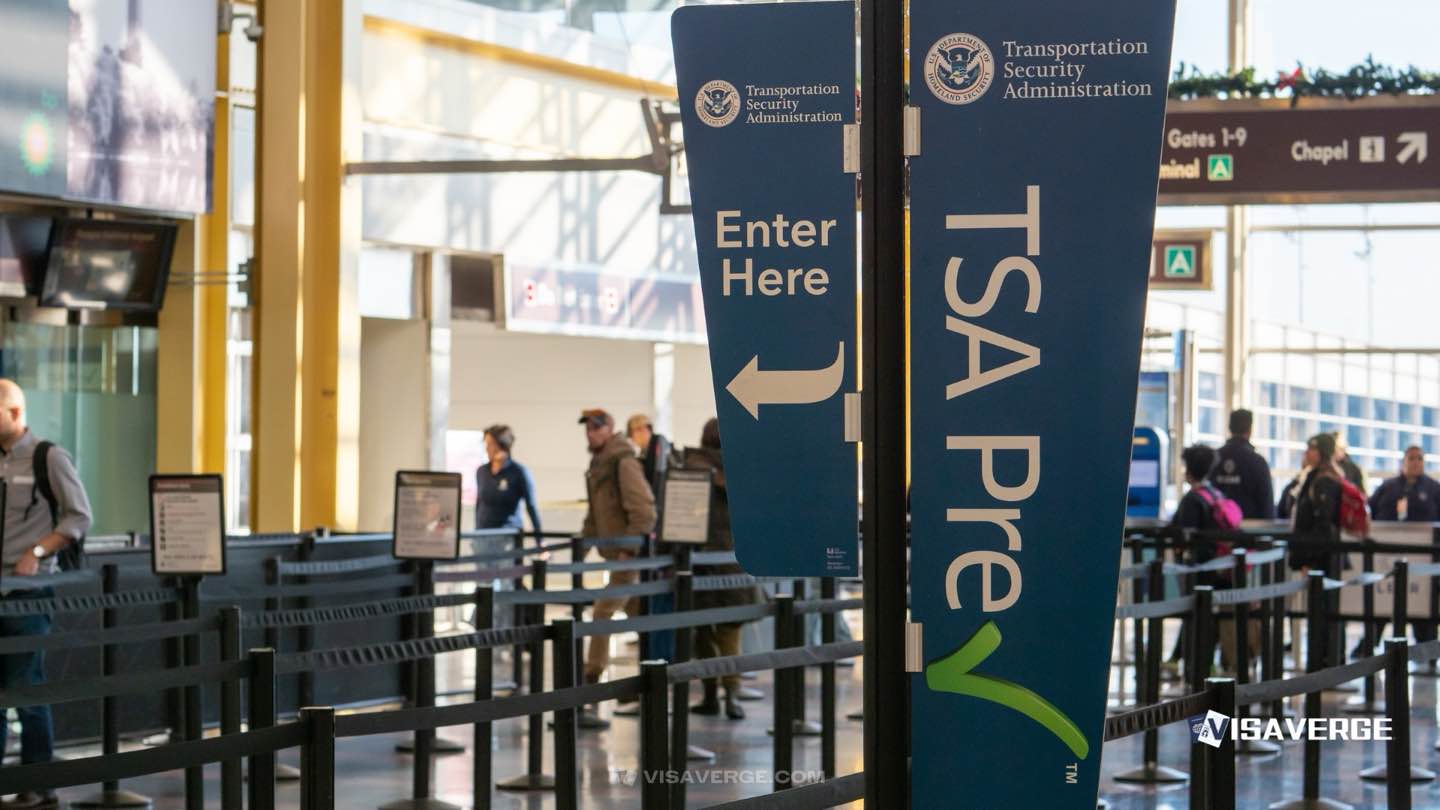
What changes for passengers
For most flyers, the practical impact is that McNary Field will not have TSA-style passenger screening. That means:
Free toolB1/B2 Tourist Visa Stay Calculator online- No TSA document checks and no standard checkpoint lanes.
- Any security presence going forward will be set by the airport, local law enforcement, and individual operators.
McNary Field is a small, city-managed airport. It functions primarily as a general aviation and reliever facility, with limited commercial activity. That’s an important context point, because many travelers assume “TSA” automatically equals the security experience you get at Portland International Airport (PDX).
Here’s the simplest way to think about it: if you’re not flying a TSA-screened airline departure, you shouldn’t expect TSA screening now.
If you’re using a charter or general aviation at SLE, confirm with your operator which security checks apply and plan to arrive with ample time for paperwork and baggage handling.
Quick comparison: before and after
| Security item | Before (with TSA oversight) | After (TSA no longer regulating) |
|---|---|---|
| TSA checkpoint screening | Limited federal oversight | No TSA checkpoint at SLE |
| ID check by TSA officer | Possible under prior procedures | Not applicable at SLE |
| Standard bag X-ray/body scanner | Not typical like major airports | Not applicable at SLE |
| Who sets security rules | TSA standards plus local protocols | Local airport, police, and operators |
This does not mean “no rules” or “no security.” It means the rules won’t be TSA-administered at this airport. Charter companies and corporate flight departments can still:
- Require ID checks
- Apply baggage limits
- Implement access controls
Timing and arrival recommendations
The biggest traveler-facing change may be how early you need to arrive. At a TSA airport, the routine is familiar and somewhat standardized. At an airport without TSA screening, timing depends on your operator:
- Some charters board in minutes.
- Others still want you there early for paperwork and baggage handling.
If your trip includes a TSA-screened airport later, you’ll still face TSA rules there, including ID requirements and checkpoint procedures.
⚠️ Heads Up: If your trip includes a TSA-screened airport later, you’ll still face TSA rules there, including ID requirements and checkpoint procedures.
Connections and competitive context
Nearby commercial airports like Portland (PDX) and Eugene (EUG) continue to operate with full TSA screening. If you’re deciding where to start a trip, Salem’s experience will now look more like other small general aviation fields, not like a scaled-down PDX.
That also affects how you plan connections:
- Salem-Willamette Valley Airport is not a typical connecting node for airline itineraries.
- If you’re positioning from Salem to catch a major-airline flight at PDX, your TSA screening will happen at PDX, not at McNary Field.
ID compliance and enforcement reminder
The reporting around early 2026 enforcement has centered on a Feb. 1, 2026 date. It has also highlighted a $45 non-refundable fee for a temporary TSA ID option valid for 10 days for non-compliant travelers.
Regardless of the fine print, the safe move is simple: if you plan to fly from PDX, SEA, SFO, or any other TSA-screened airport, get your ID situation squared away before you travel.
Some travelers will read “no TSA” and assume Real ID doesn’t matter anymore. It may not matter at Salem, but it can matter the moment you show up at a TSA checkpoint elsewhere.
Even with no TSA at McNary Field, Real ID rules still apply at TSA airports later in your trip; ensure your ID is compliant before Feb 1, 2026 to avoid delays.
Impact for points and miles collectors
McNary Field’s TSA change is mostly indirect. Because SLE isn’t a major scheduled airline airport, you’re not likely to see a new earning loophole or a sudden surge of award seats. Still, a few loyalty angles to know:
- If you’re flying charter, you typically won’t earn airline miles on the flight itself. Some operators may let you add a frequent-flyer number for certain contracted services, but it’s not standard.
- If you reposition by car to PDX for a paid airline ticket, your mileage earning is unchanged. What can change is your day-of-travel risk: a traffic delay plus a long TSA line at PDX can still blow up your itinerary.
- If you’re chasing airline elite status, positioning flights matter. Starting at SLE won’t help your flight segment or spend-based status metrics unless it’s ticketed on an airline program.
Airport access and sterile areas
Travelers who use Salem-Willamette Valley Airport for general aviation should watch for one immediate ripple effect: access rules inside the terminal area.
- TSA-regulated spaces tend to have clearer “sterile area” boundaries.
- Without TSA oversight, the airport and its tenants may redraw who can enter certain areas, and when.
The city has not announced new procedures yet. The airport continues operating under city management through the Public Works Department. Travelers should confirm day-of-departure expectations directly with their operator.
Call McNary Field at (503) 393-5252 before travel for the latest access rules and operator guidance, and verify if sterile areas differ from previous TSA-regulated experiences.
Contact and final reminders
- McNary Field phone: (503) 393-5252 for the latest local guidance.
- Prepare if your next flight touches a TSA-screened airport: arrive earlier than you think, and have a Real ID-compliant license or passport in hand before Feb. 1, 2026.
The TSA has officially withdrawn its regulatory oversight from Salem-Willamette Valley Airport, shifting security responsibilities to local management. Passengers using McNary Field for charter or private travel will no longer encounter federal screening checkpoints. This change primarily affects general aviation flyers, who must now verify security and boarding protocols directly with their specific flight operators or local airport authorities.