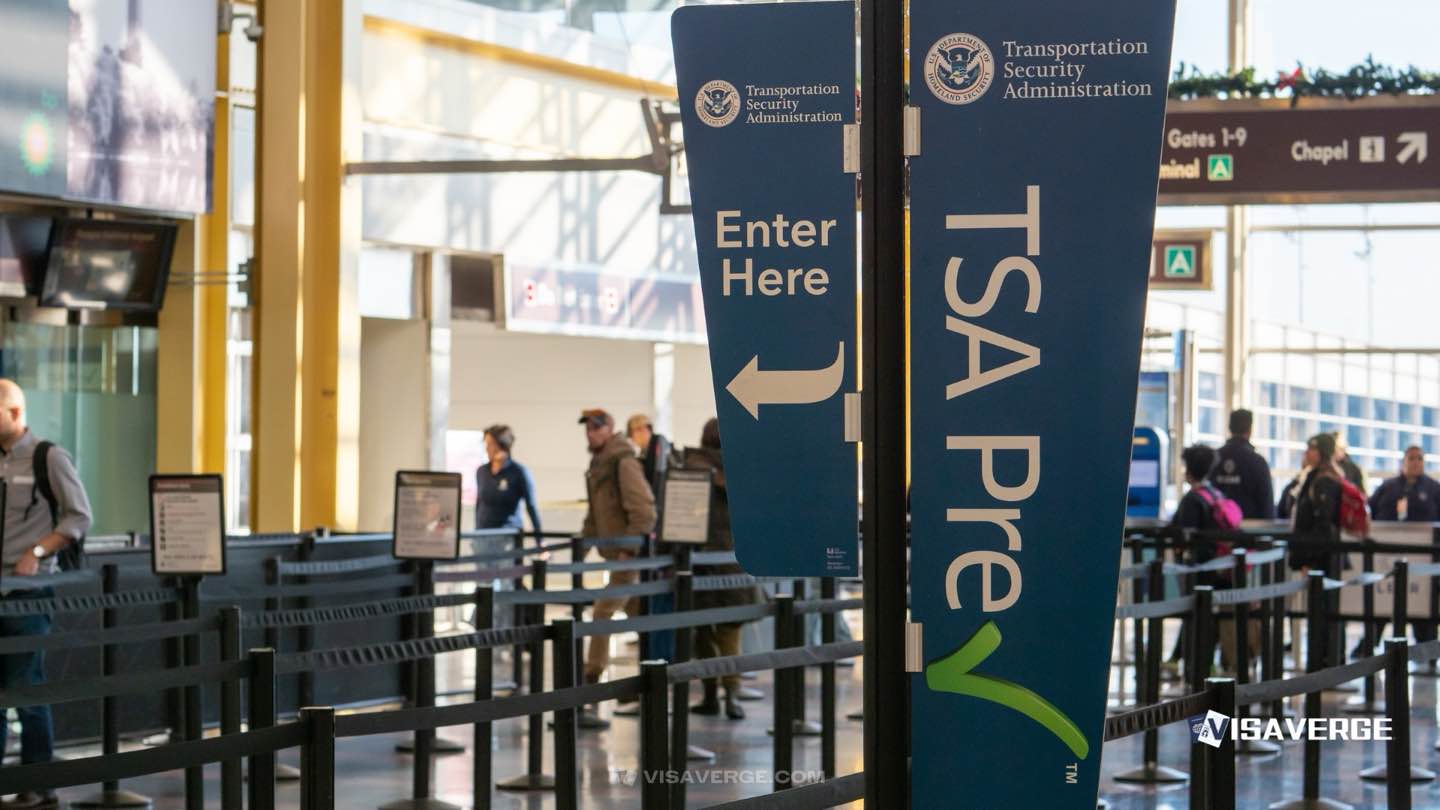
- TSA PreCheck and Global Entry still offer significant time savings despite a much stricter 2026 security climate.
- Most federal travel programs now cost 120 dollars for a five-year membership, maintaining steady pricing through April.
- Travelers face enhanced screening and vetting due to new centralized government oversight and social media review policies.
(UNITED STATES) Trusted Traveler Programs remain one of the fastest ways to move through airports and borders in 2026, but the rules around them sit inside a much tighter security system. TSA PreCheck, Global Entry, NEXUS, and SENTRI still save time, yet travelers now face broader vetting, longer waits in some channels, and more document checks before approval and renewal.

The biggest change is not the programs themselves. It is the environment around them. CBP and TSA have kept the system open for eligible travelers, while USCIS, the State Department, and other agencies have expanded screening across visa and immigration categories. VisaVerge.com reports that this wider vetting wave has changed how frequent flyers, cross-border commuters, and business travelers should plan trips in 2026.
For travelers who already hold membership, the main task is simple: keep every document current, expect more scrutiny, and build extra time into international plans. For new applicants, the application still offers a clear path to faster travel, but the approval journey now includes more checks than before.
Membership costs and the first step into faster travel
The fee structure is steady in April 2026. Global Entry, NEXUS, and SENTRI cost $120 for five years. TSA PreCheck costs $78 for five years, with renewals at $70. CLEAR Plus sits outside the federal Trusted Traveler Programs and costs $199 per year.
That price difference matters. TSA PreCheck suits domestic flyers who want faster screening inside the United States. Global Entry fits travelers who return from abroad and want quicker customs processing. NEXUS and SENTRI focus on border crossings.
Families also get one useful break: minors can receive free NEXUS membership when they apply with a parent or guardian. That makes the border program cheaper for parents who cross regularly with children.
TSA PreCheck and the airport checkpoint experience
TSA PreCheck still gives the most familiar airport benefit. Approved passengers can use faster lanes at more than 200 U.S. airports. They keep shoes, belts, and light jackets on. Laptops and compliant liquids stay in the bag.
That ease matters on busy mornings and tight connections. It also reduces stress for older travelers, parents with children, and people who fly often for work. The program remains a domestic convenience first, not a border pass.
The broader security climate is different. On December 4, 2025, USCIS announced enhanced screening measures across several benefit categories. That move did not change TSA PreCheck rules directly, but it showed the federal shift toward more detailed vetting across the immigration system.
Global Entry and faster returns to the United States
Global Entry remains the strongest option for international flyers who return often. It speeds up customs and immigration inspection after arrival in the United States. That saves time at the end of a long trip, when airport lines are often the worst part of travel.
CBP has widened access to the program in Argentina, Brazil, India, the Dominican Republic, Ecuador, Jamaica, and one additional country to be announced. The agency has also added Enrollment on Departure, which lets conditionally approved applicants finish interviews before leaving on international flights. That shortens the wait for full membership.
CBP has modernized its online services too. Travelers can update passports and driver’s licenses online without visiting an office. More in-person interviews are also available, which helps reduce appointment backlogs. Travelers can review official program details on the CBP Trusted Traveler Programs page, the main government reference for applications and renewals.
NEXUS and SENTRI at the land border
NEXUS serves people who cross between the United States and Canada or Mexico. SENTRI serves travelers at the U.S.-Mexico border. Both programs offer dedicated lanes and faster inspections at participating ports of entry.
For daily commuters, business travelers, and border families, those minutes add up fast. A shorter line on one crossing can change the rhythm of an entire week. The programs also work as trust signals, showing that the traveler has already passed a government review.
NEXUS is the better fit for frequent cross-border travel in the north and south. SENTRI is built for the southern border. Both cost $120 for five years, and both remain part of the core Trusted Traveler Programs system in 2026.
REAL ID, One Stop Security, and the airport before boarding
Domestic flyers still need REAL ID-compliant identification starting May 7, 2025. A REAL ID license, U.S. passport, passport card, military ID, or a Trusted Traveler Program card can satisfy the checkpoint rules. The point is simple: members should not assume program approval replaces ID checks.
TSA has also rolled out One Stop Security at participating airports. Travelers arriving from certain European Union airports can skip a second security screening if they stay inside a secure area. That change helps shorten connection times on long-haul routes and makes tight international transfers less punishing.
The new model reflects a broader pattern. Security stays firm, but the government keeps looking for ways to reduce friction where passengers have already been screened.
Vetting, delays, and the travel climate in 2026
The approval process for travel and immigration benefits is harder in 2026. On December 5, 2025, the government announced a new USCIS Vetting Center to centralize enhanced screening. The center screens terrorists, criminal aliens, and other foreign nationals tied to public safety or fraud concerns.
The State Department also expanded online presence screening to more nonimmigrant visa categories starting March 30, 2026. The list includes K-1 fiancé(e) visas, religious workers, trainees, domestic workers, T visas, U visas, and H-1B applicants. Those applicants must make social media accounts public for review.
On December 16, 2025, the Trump Administration issued a new Presidential Proclamation that took effect on January 1, 2026. Screening now looks at country of birth, dual nationality, prior long-term residence abroad, and recent travel history. A January 2026 move also suspended approval of immigrant visas for people from 75 countries.
Travelers should expect longer processing times, more secondary inspection, and less predictability at consular posts and ports of entry.
How applicants should move through the system in 2026
- Choose the right program based on how you travel. TSA PreCheck fits domestic flyers. Global Entry fits international return trips. NEXUS and SENTRI fit border crossings.
- Submit the application and pay the fee. Memberships last five years, so the cost is spread across many trips.
- Complete enrollment steps. That may include an interview, identity review, and border or airport vetting. Enrollment on Departure can shorten the Global Entry interview process.
- Keep your documents current. Passport, driver’s license, and membership records must match. Outdated documents slow down travel and can block use of the program.
- Add buffer time to every trip. Delays now show up more often, even for people with valid approvals.
Employers, too, need to plan ahead. Workers with international travel needs face more inspection, and companies with global staff should expect longer timelines for travel and return dates. According to analysis by VisaVerge.com, the practical value of Trusted Traveler Programs in 2026 lies not only in speed, but in certainty during a slower and stricter travel system.
What travelers are likely to feel at the border
At airports, the experience is still faster for members. At the same time, more travelers are being pulled into secondary review, asked for extra documents, or delayed while officers check records. That means the benefit of Trusted Traveler Programs has not disappeared. It has become more conditional on clean records, current documents, and calm planning.
For regular travelers, the message is clear. TSA PreCheck still saves time at the checkpoint. Global Entry still shortens the return trip home. NEXUS and SENTRI still matter for land borders. But all four programs now operate inside a more demanding security system, and the margin for error is thinner than it was a year ago.