Key Takeaways
• A 25% tariff on Mexican avocados has raised prices, affecting 90% of U.S. avocado imports and consumer accessibility.
• A 10% tariff on Chinese frozen fish increased costs, reducing affordability for middle- and low-income households and impacting restaurant prices.
• Additional tariffs on produce and specialty items like tequila have increased grocery costs by up to 3%, straining consumer budgets nationwide.
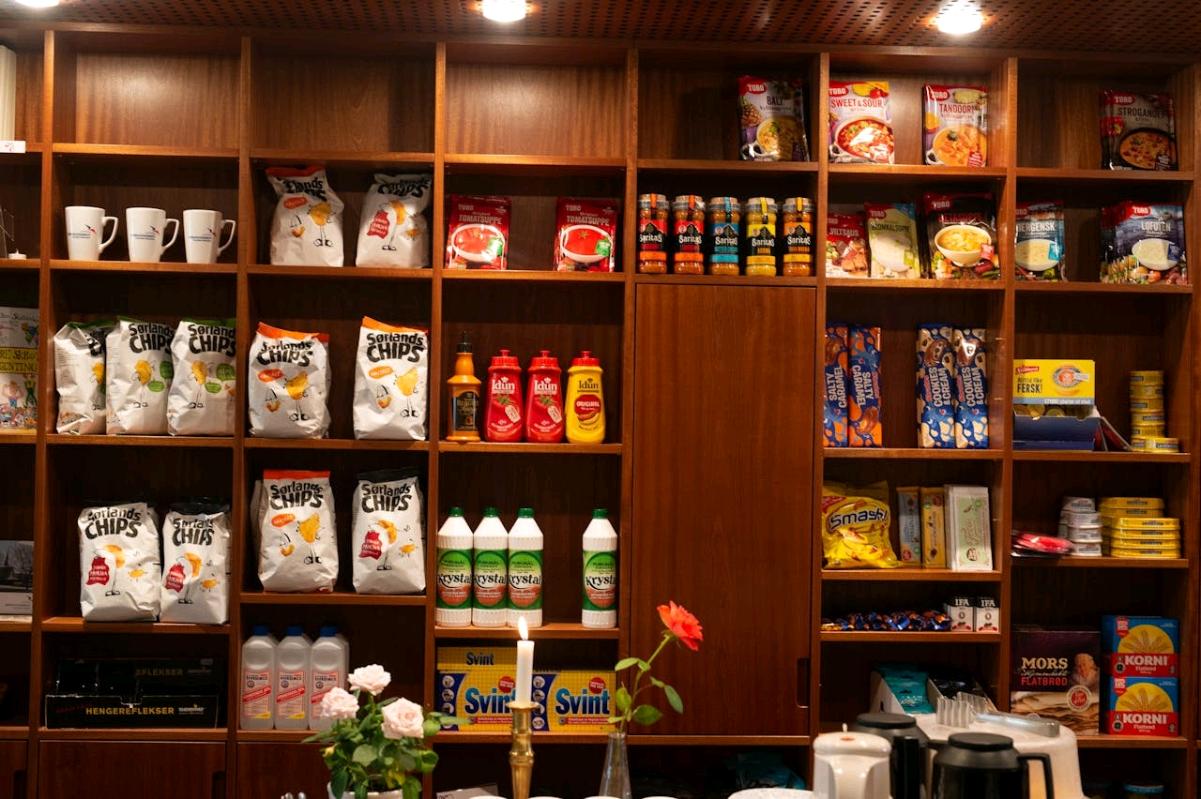
The use of tariff policies under President Trump brought many changes to various industries, but its impact on everyday grocery items stands out as an issue that directly affects American consumers. From Mexican avocados ? to frozen fish ? sourced from China ??, these changes have disrupted pricing, supply chains, and consumer habits. Shoppers across the country are experiencing higher prices on key items, leaving many wondering what the future holds for their weekly grocery budgets.
The Cost of Popular Staples: Mexican Avocados in Focus

One of the most evident impacts of President Trump’s tariffs has been on avocados. The U.S. relies heavily on Mexico ?? for its avocado supply, with nearly 90% of the avocados consumed stateside imported from Mexico. In this context, the imposition of a 25% tariff on Mexican imports caused immediate price increases. For consumers, this introduced a new level of strain, taking a previously affordable item and turning it into more of a luxury.
The demand for avocados in the United States has consistently grown over the past two decades, with consumption tripling during this period. Consider the omnipresence of guacamole at gatherings, avocado toast in breakfasts, or even its use in modern culinary trends – all of which highlight how deeply ingrained this fruit is in the diets of American households. Higher prices are now impacting consumers’ ability to enjoy what was once a readily available product. Restaurants are not spared either, as menu items that rely on avocados have become costlier to produce. Inevitably, diners are having to pay more, or in some cases, notice popular avocado dishes disappearing from menus altogether.
For Mexican avocado producers, the tariffs also create challenges, as they must decide whether to absorb the additional costs, pass them onto their U.S.-based buyers, or reduce exports. The resulting price adjustments ripple across the entire supply chain, leaving no stakeholder unaffected. The widespread use of Mexican avocados underscores just how intertwined the economies of both nations are, particularly when it comes to consumer goods.
Frozen Fish: Seafood and Trade Challenges
While avocados tell part of the tariff story, another affected industry is frozen fish—a staple present in many American homes. The bulk of frozen fish imports into the United States come from China ??, a country that has been heavily targeted by U.S. trade policies. A 10% tariff on Chinese goods directly affected this market, leading to increases in the cost of frozen fish products at grocery stores and restaurants.
For families opting for frozen fish as a quick, nutritious dinner option, these increases made what was once a reasonably priced protein choice considerably more expensive. Retailers now face a tough decision: accept reduced profit margins or transfer the additional costs directly to customers. Either way, the frozen fish market has become more contentious because of tariffs, with middle- and low-income households often bearing the brunt of these changes.
The restaurant industry, too, has felt this impact. Seafood-heavy dishes like fish tacos, grilled fish platters, or sushi rolls are often heavily dependent on frozen fish products. Restaurants must either raise their prices, reduce portion sizes, or limit their menu offerings to balance out skyrocketing costs. Each of these solutions comes with its own drawbacks – higher menu prices turn diners away, while reduced variety erodes customer satisfaction. The downstream effect of the frozen fish tariffs resembles that of other staple commodities: higher costs, fewer options, and long-term repercussions for everyone from wholesalers to individual consumers.
Broader Impacts: Fruits, Vegetables, and Specialty Items
Avocados and frozen fish are far from the only examples of food products affected by tariffs. Fresh fruits and vegetables imported from Mexico ?? and Canada ??—both heavily relied upon by American grocery stores—are also facing higher prices. With tariffs as high as 25% on many of these goods, costs are climbing, forcing many families to make tough choices when grocery shopping.
According to recent projections, the price of produce is expected to rise by almost 3% due to tariff-related costs. While this may not seem significant at first glance, millions of consumers, especially those living paycheck to paycheck, feel this increase acutely. Many are purchasing fewer fruits and vegetables, pivoting instead to cheaper, processed alternatives. This shift away from fresh produce puts a strain on public health, as diets lacking in fresh fruits and vegetables have been tied to chronic health problems like obesity, diabetes, and heart diseases.
Additionally, certain specialty items such as tequila, a cultural staple imported from Mexico ??, have become pricier. Tariffs have affected both liquor stores and restaurants, where customers now face inflated costs for their favorite beverages. The financial struggles caused by rising prices touch every level of the supply chain—farmers, distributors, retailers, and, of course, consumers.
The Ripple Effect of Retaliatory Tariffs
The impact of Trump’s tariffs didn’t just stop at the United States’ import policies. A significant fallout has been the retaliatory measures taken by other countries, most notably China ?? and Canada ??. These retaliatory tariffs have specifically targeted U.S. agricultural exports, including soybeans, pork, and dairy products. For American farmers, this poses substantial financial difficulties in terms of lost revenue and shrinking access to international markets.
To make matters worse, domestic consumers are indirectly paying for these disagreements on the global stage. The costs of food items affected by tariffs on both ends have ultimately added layers of strain for American families. With inflation exerting additional pressure, even regular grocery aisles have become sources of anxiety for shoppers.
These retaliatory measures have extended beyond food items, often targeting broader industries like manufacturing and technology—a testament to how international trade relationships impact individuals far removed from policy decisions.
A Look at the Policy’s Roots
Understanding the origins of these tariffs helps make sense of their current and future implications. President Trump began introducing tariffs in 2018 under the pretense of protecting key domestic industries like steel and aluminum, often citing national security as a justification. While it initially seemed targeted at specific materials, the initiative quickly expanded, encompassing goods ranging from automobiles to agricultural products.
A major focus of the tariff policy was aimed at China ??, a top U.S. trading partner accused of unfair trade practices, including intellectual property theft. The “trade war” that emerged led to mounting tariffs from both nations. While many of these policies were designed to create a more level playing field, critics argue that they also created unintended consequences for U.S. consumers.
A Balancing Act for Policymakers
For policymakers tasked with overseeing global trade, the events of recent years highlight the intricate balance needed between economic policies and affordability. Consumers, especially those in lower-income groups, often end up paying a disproportionate share of the cost when tariffs are levied.
Efforts to counter the consequences of tariffs include increasing domestic production of highly impacted goods. However, doing so requires significant time and investment, leaving consumers with few immediate solutions to offset price increases. Discussions about revisiting or renegotiating trade agreements have gained traction in recent months, though no concrete resolutions have emerged just yet.
Final Thoughts
The effects of President Trump’s tariffs illustrate the ripple effects one economic policy decision can have on households across the nation. American grocery shoppers are now facing steeper costs for items like Mexican avocados ? and frozen fish ?, along with countless other products impacted by trade disputes. As reported by VisaVerge.com, these higher prices highlight how interconnected international trade relationships are with the day-to-day experiences of families.
While many consumers hope for long-term fixes that restore affordability, the reality is that tariffs have created lasting complications for supply chains, pricing, and business practices. Policymakers have a chance to lessen the strain on households by revisiting specific components of trade policies, but until then, grocery trips will likely remain a stark reminder of the broader economic tensions shaping the world.
For more information about tariff policies and their widespread effects, readers can visit the U.S. Trade Representative website at ustr.gov.
Learn Today
Tariff → A tax imposed on imported or exported goods to regulate trade, often affecting prices for consumers and businesses.
Retaliatory Tariffs → Taxes imposed by a country in response to tariffs levied by another nation, often escalating trade disputes.
Supply Chain → A system of organizations, people, and activities involved in producing and delivering a product to consumers.
Trade War → An economic conflict where countries impose tariffs or restrictions on each other’s goods, impacting global trade.
Affordability → The ability to purchase goods or services within financial means, often affected by price increases like tariffs.
This Article in a Nutshell
The Real Cost of Tariffs: Your Grocery Bill
President Trump’s tariffs reshaped U.S. supply chains, but everyday groceries faced surprising fallout. From pricier Mexican avocados ? to costlier Chinese seafood ?, staples turned luxurious. As shoppers adjusted habits, restaurants and farmers struggled. Tariffs revealed how global trade policies ripple directly into America’s kitchens—impacting plates, wallets, and dinner tables nationwide.
— By VisaVerge.com
Read more:
• Donald Trump’s Tariffs May Raise Prices on Common Household Items
• Canada’s Tariffs on US Goods Begin Tuesday, Says PM Trudeau
• Mexico Prepares Backup Plans as Trump Pushes Tariff Threat
• Democrats Urge Trump to Drop 25% Tariffs on Canada and Mexico Ahead of Deadline
• Trump’s Tariffs on Countries Will Spike Prices for Everyday Americans