Key Takeaways
- Trump’s potential second term could increase H-1B costs and tighten eligibility, impacting Indian IT firms significantly.
- Potential impacts on H-4 and OPT might affect family incomes and discourage international students from studying in the U.S.
- Despite hurdles, Trump’s proposal for green cards for U.S. graduates presents a potential residency advantage for international students.
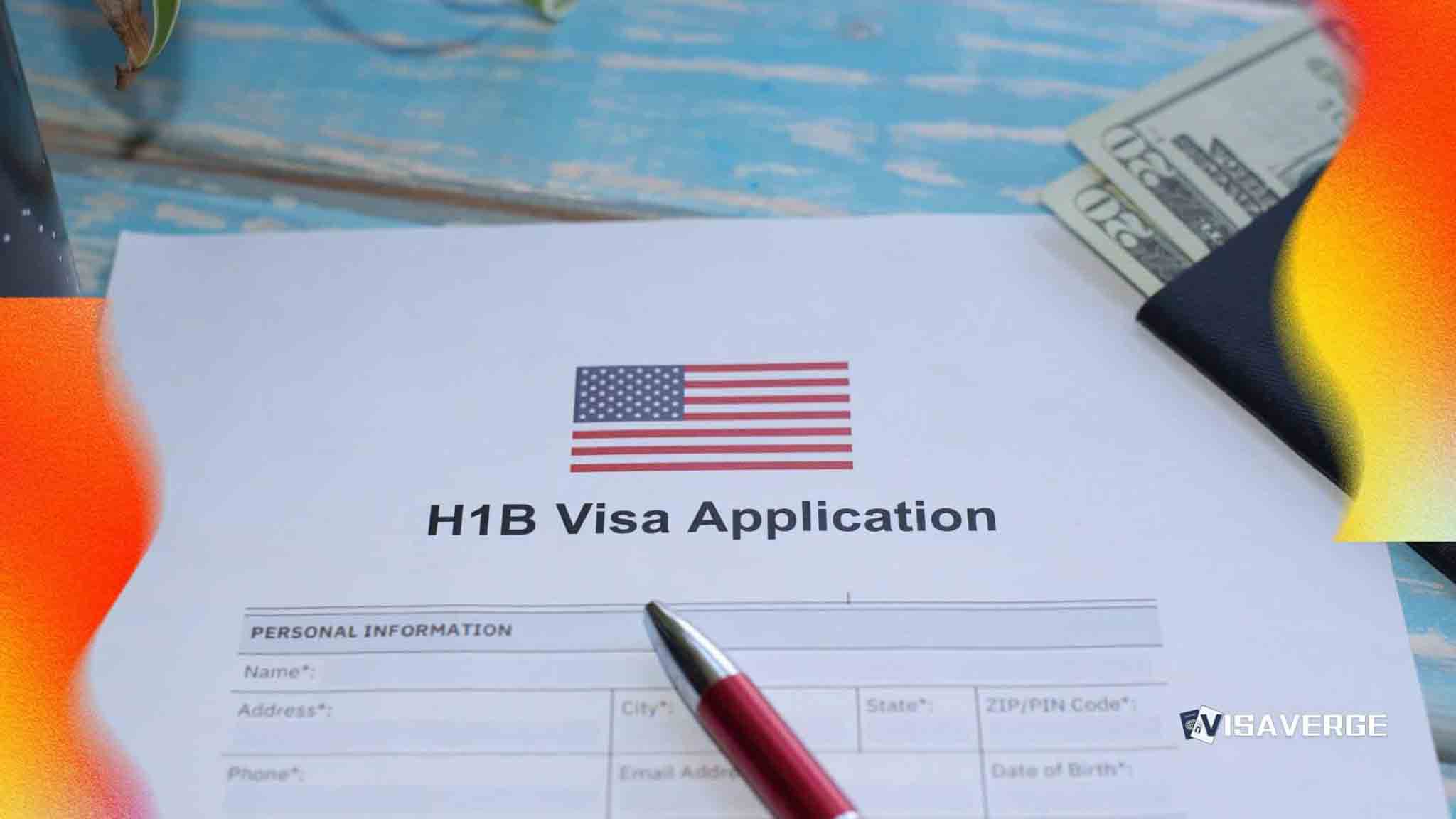
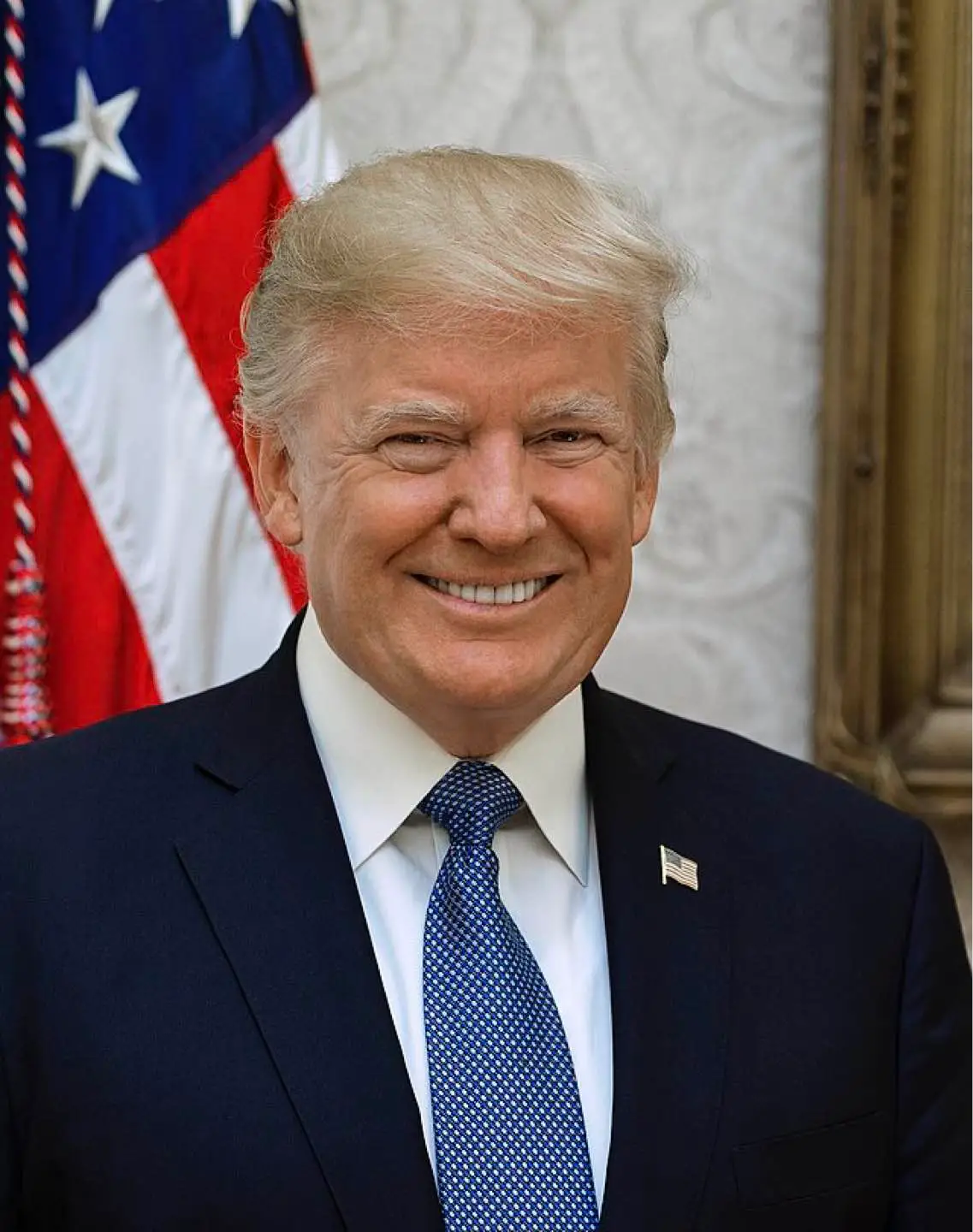
As Donald Trump gears up for a potential second term in the White House, the immigration landscape is poised for significant changes, particularly concerning the H-1B visa program. Trump’s “America First” agenda, which prioritizes the interests of American workers and businesses, could lead to stricter rules for the H-1B visa, a crucial pathway for skilled foreign workers, especially in the IT sector.
Impact on Indian IT Firms
Indian IT firms have long depended on the H-1B visa to send skilled professionals to the United States. Industry giants like Infosys, TCS (Tata Consultancy Services), and Wipro use this visa program to support their U.S.-based operations and aid short-term projects. However, the anticipated changes under Trump’s administration could pose significant hurdles.
Firstly, the costs associated with hiring foreign talent might increase dramatically. Trump has shown interest in raising the minimum salary for H-1B holders, which he believes is necessary to protect American workers. These salary hikes could make it much more expensive for Indian firms to employ skilled workers in the U.S., particularly in cities with high living expenses. For companies already strained by competitive pressures, these proposed salary boosts could significantly affect their operating budgets.
Free toolH-1B Cost Calculator OnlineSecondly, the eligibility criteria might become more stringent. Trump has long favored a merit-based immigration system, which means that applicants with higher qualifications or those working in critical sectors like STEM (science, technology, engineering, and mathematics) might stand a better chance. While these moves could help some highly skilled Indian professionals, they could also limit opportunities for those with less experience or without advanced degrees.
Another significant concern is the potential reduction of H-1B visa quotas. Currently, the annual cap is set at 85,000, which includes 20,000 for those with advanced degrees from U.S. institutions. Should Trump decide to lower this figure, competition for visas would increase, making it harder for Indian professionals to find opportunities in the U.S. This reduction would hit Indian IT firms particularly hard, given their heavy reliance on the H-1B visa for staffing.
Increased scrutiny and longer processing times could also return under Trump’s potential second term. These practices led to considerable uncertainty in his first term, with heightened scrutiny and additional requirements like Requests for Evidence (RFEs). If reinstated, these measures could prolong visa processing times, causing uncertainty for companies and workers alike.
Challenges for H-4 Visa Holders
The H-4 visa, often granted to spouses of H-1B visa holders, is another area of concern. During his first term, Trump’s administration sought to revoke work authorization for H-4 visa holders, many of whom rely on Employment Authorization Documents (EAD) to work in the U.S. Although these attempts were stalled legally, the possibility remains that Trump could reconsider this issue, potentially causing financial difficulties for families who would lose a vital source of income.
Effects on International Students
International students, particularly those in STEM programs, could also be impacted by the anticipated changes. The Optional Practical Training (OPT) program allows graduates to work in their field of study for up to 12 months, with an extra 24-month extension for STEM students. This program is often a stepping stone into the U.S. job market. Trump’s prior interest in limiting OPT opportunities could resurface, creating hurdles for students who wish to gain work experience after graduation.
For Indian students, any such changes to OPT could discourage pursuing higher education in the U.S. If the chances of securing employment after graduation diminish, these students might consider alternative countries with more favorable policies for international graduates.
Green Card Prospects: Shifting Opportunities
Despite these challenges, Trump’s immigration plans are not without potential advantages for foreign nationals. His proposal to automatically grant green cards (permanent residency) to all graduates from U.S. colleges could be a game-changer for international students seeking permanent residency. If implemented, this policy could offer a clear path to staying in the U.S., benefiting many Indian students.
However, uncertainties remain about this proposal’s implementation and whether it might come with additional restrictive measures, such as stringent wage requirements or reduced quotas for employment-based green cards.
Conclusion
The expectations for Trump’s second term herald various changes to the H-1B visa program. His “America First” policies aim to protect American jobs but could create obstacles for high-skilled workers, particularly those from India ??. Indian IT firms that depend heavily on this visa will likely contend with increased costs and more stringent criteria. Spouses and students connected to H-1B workers may also face new limitations on work and study opportunities in the U.S.
Even so, potential merits exist in Trump’s approach, such as offering a straightforward path to green cards for graduates from U.S. institutions. However, balancing these benefits against the anticipated constraints on visa programs will be crucial for those navigating this landscape. To stay informed about ongoing changes, both individuals and firms should regularly consult credible sources. For more detailed guidelines on upcoming immigration procedures, visitors are encouraged to check the official U.S. Citizenship and Immigration Services website.
In this evolving environment, stakeholders must be aware of the possible shifts and ready to adapt to the landscape that a Trump presidency could bring. As reported by VisaVerge.com, staying updated on regulatory changes can provide a strategic advantage in successfully managing immigration plans amidst this uncertain future.
Learn Today
H-1B Visa: A non-immigrant visa allowing U.S. companies to employ foreign workers in specialty occupations, crucial for Indian IT firms.
America First: An agenda prioritizing interests of American workers and businesses, potentially leading to stricter immigration policies.
Merit-Based Immigration: A system favoring immigrants with higher qualifications, such as advanced degrees or specialized skills, especially in STEM fields.
Employment Authorization Document (EAD): A work permit allowing eligible immigrants, such as H-4 visa holders, to work legally in the U.S.
Optional Practical Training (OPT): A program permitting international students to work in their field of study post-graduation, important for STEM fields.
This Article in a Nutshell
Donald Trump’s potential second term could transform U.S. immigration policies, notably tightening H-1B visa regulations. Indian IT firms, heavily reliant on this visa for skilled professionals, may face steeper costs and stricter criteria. Balancing these challenges against potential green card pathways will be crucial, urging firms to strategize effectively.
— By VisaVerge.com
Read more:
• Trump’s Victory: Benefits and Challenges for IT Sector
• Trump’s Immigration Plans: Impact on Students & Immigrants
• Elon Musk Criticizes U.S. Immigration, Suggests Trump Could Fix System
• Alien Enemies Act: Trump’s Deportation Plan Explained
• Survey Reveals 34% of Americans Echo Trump’s Immigrant Remarks