- An H-1B holder was handcuffed and fingerprinted at the Detroit-Windsor border due to a database name mismatch.
- U.S. Customs and Border Protection officers released the traveler after thirty minutes of questioning and identity verification.
- The incident occurred amid heightened scrutiny of Detroit border operations and the rollout of new bridge infrastructure.
A H-1B visa holder returning to Michigan from Canada was handcuffed, fingerprinted and questioned at the Detroit-Windsor border on July 26 after U.S. Customs and Border Protection officers reportedly confused the traveler with someone else in a mistaken identity incident. The traveler was released after approximately 30 minutes.
The unnamed traveler was driving home Sunday after a weekend trip to Canada. The traveler said they presented a passport containing a valid H-1B visa stamp with more than one month remaining before expiration.
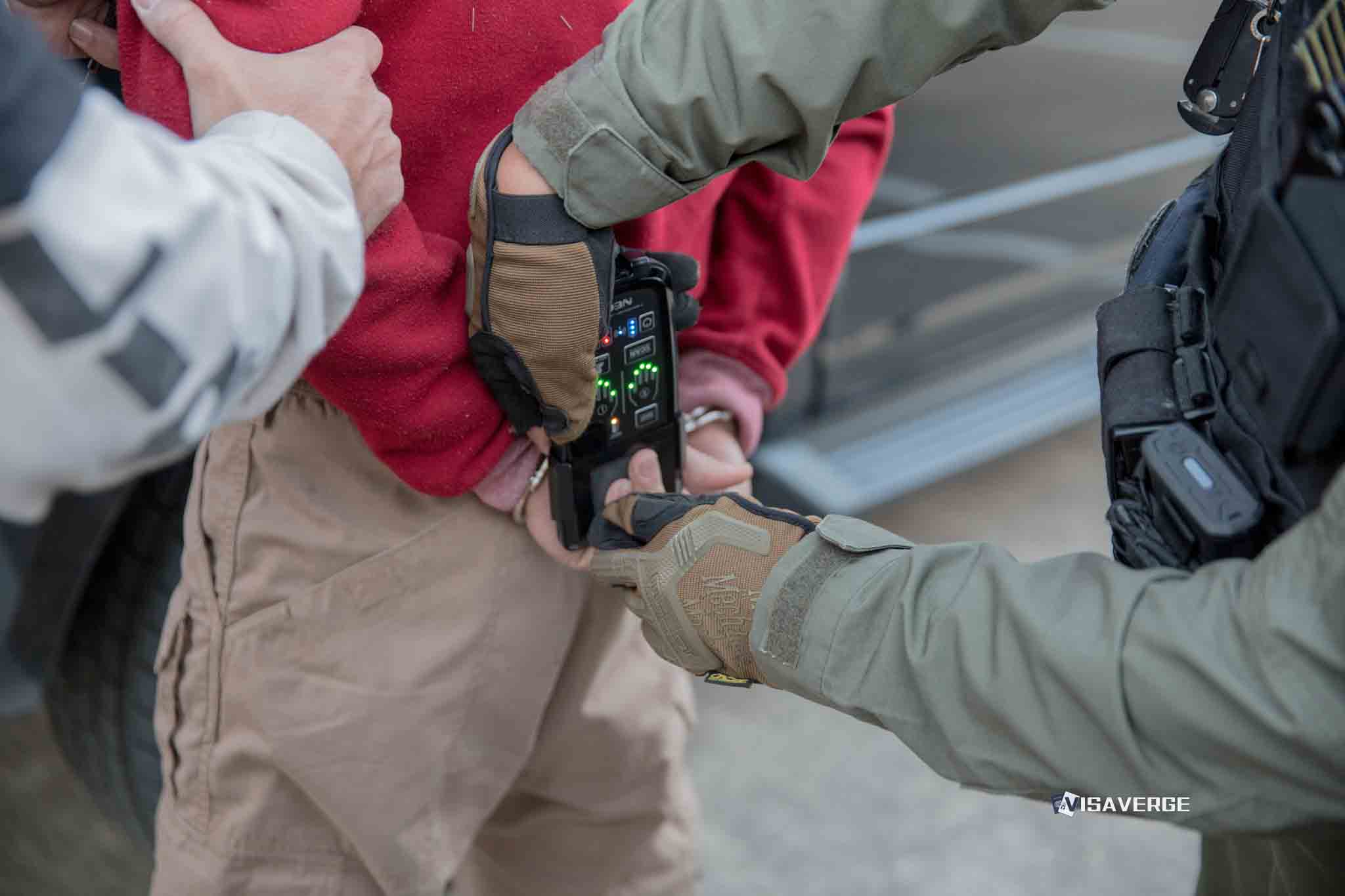
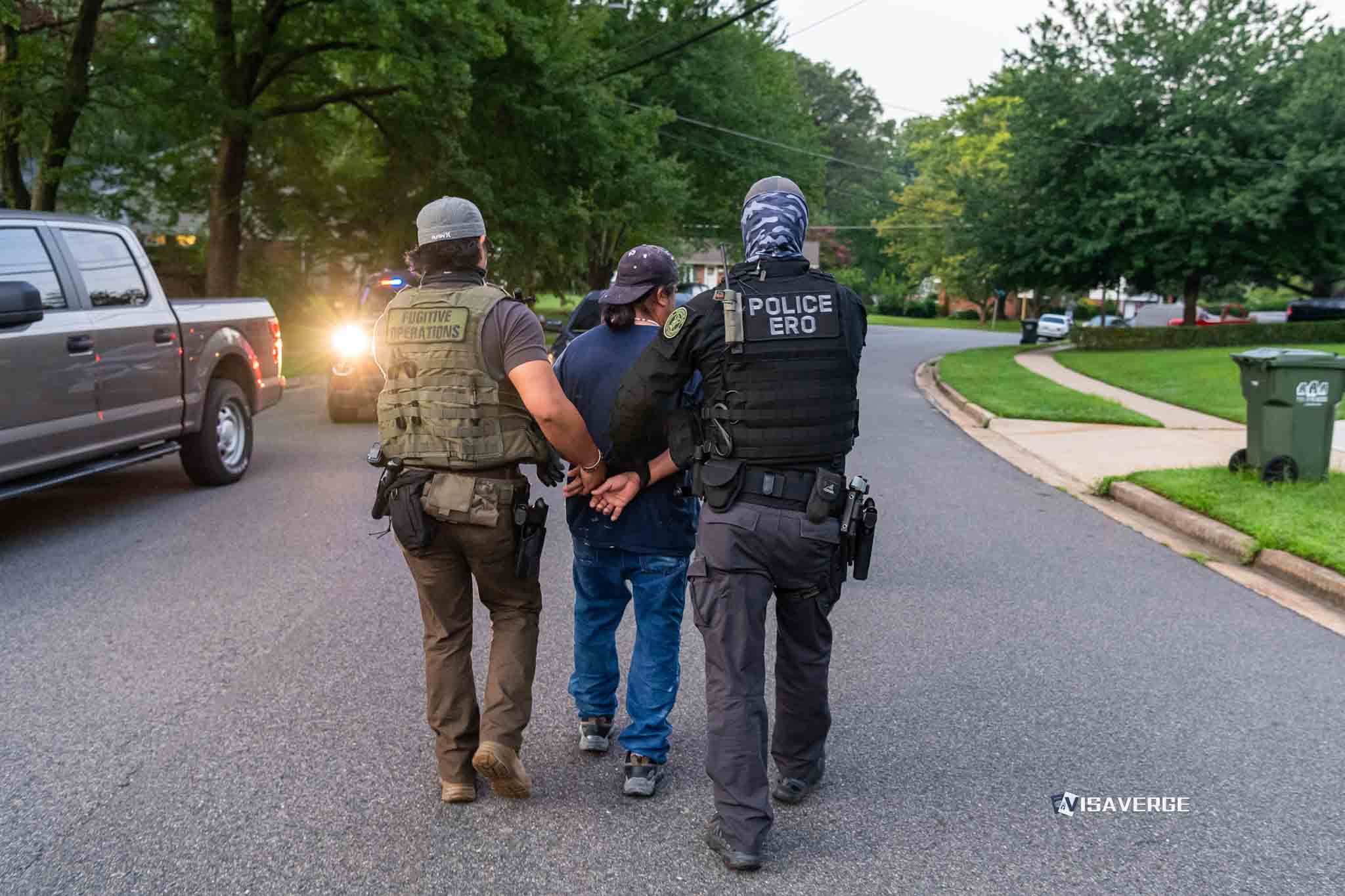
The inspection escalated quickly. Officers ordered the traveler out of the vehicle, placed the person in handcuffs, conducted a frisk and took the traveler to a secure detention room.
The traveler described the episode this way:
"One of them handcuffed me & took me into a detention room. After 30 minutes, they told me it was a mistake and a case of similar names."
An officer reportedly characterized the problem as a mismatch. The officer said, “It’s a Mismatch, he has a h1 visa.”
A database match reportedly triggered the detention
The account attributed the detention to a name mismatch in a security database. Officials allegedly confused the traveler with a wanted individual who had a similar name.
The traveler described the episode as a “30-minute meltdown,” saying a routine document inspection quickly became a public handcuffing. The report does not identify a criminal charge, court case or removal proceeding tied to the encounter.
A border inspection can expand beyond a document check. CBP officers may inspect people seeking entry and briefly detain them while checking identity or admissibility, including when a database alert requires additional review.
The account does not establish a broader policy
The reported account identifies no court case, CBP policy memorandum or published agency action connected to the encounter.
A traveler with valid documents may still face inspection at a port of entry. A short detention during that inspection does not, by itself, establish that the agency violated a published rule or create a legal precedent.
If the cause was a mistaken database match, the dispute would depend on the precise alert, the information officers reviewed and the steps taken to clear the traveler. Those are fact-specific questions.
The report also identifies no formal disciplinary action, lawsuit or binding legal ruling. CBP had not issued a public statement about the detention at the time of publication.
Identity mismatches can create problems after release
A traveler released at the border may still worry that an unresolved alert remains attached to the record. Identity mismatches can produce a “flag” that leads to repeated secondary inspections.
Travelers who believe a government screening record contains inaccurate information may seek review through the Department of Homeland Security Traveler Redress Inquiry Program, commonly known as DHS TRIP. The program provides a channel for addressing travel-screening problems.
That process does not change what happened at the crossing. It may provide a route for a traveler to ask the government to review an identity problem and correct records where appropriate.
Border inspection authority remains separate from visa validity
An H-1B visa stamp supports an application for admission, but it does not eliminate inspection at the border. Officers may still ask questions, compare biographical information and examine records before deciding whether a person may enter.
Visa validity and the accuracy of a government alert are separate issues. A person can hold valid documents and still face additional questioning if officers identify a possible identity match.
A person facing repeated secondary inspection, an extended detention or a refusal of admission may need individualized legal advice. The consequences can depend on citizenship, immigration status, the exact documents presented and the agency’s stated reason for the inspection.
No published decision resolves those issues in this encounter. The incident therefore does not establish a new rule for H-1B travelers or show that similar travelers will receive the same treatment.
The Detroit corridor has drawn scrutiny over other detentions
The reported encounter came amid broader scrutiny of border operations in the Detroit area. In 2025, U.S. Rep. Rashida Tlaib, D-Mich., said more than 213 people had been detained at the bridge during a three-month period.
Tlaib said 90% of those detentions involved motorists who had made a wrong turn into the border queue. That figure concerns other reported incidents, not a finding about the H-1B traveler’s detention.
The 2025 “Sarahi” case involved a mother and two U.S. citizen children. They were detained for six days after a GPS error led them to the Ambassador Bridge.
Those events provide local context, but they do not establish that the same procedure or database alert caused each detention. The traveler’s reported issue was a name mismatch, while the other incidents involved wrong turns or navigation problems.
New bridge operations added to the border backdrop
The incident occurred during the final operational rollout of the Gordie Howe International Bridge. The bridge became a Class A port of entry in early 2026.
The infrastructure change is identified with CBP Dec. 25-17 and Docket No. USCBP-2026-0133. Neither measure is linked to the traveler’s detention, and the traveler is not identified as having used the new crossing.
On July 27, 2026, the CBP Detroit Field Office issued a travel advisory reminding travelers to keep “applicable travel documents readily available.” The advisory also warned of heavy traffic tied to the opening of new pedestrian paths on the Gordie Howe Bridge.
The notice followed the detention by one day. It did not address the reported identity mismatch.
Rights groups and an elected official called for more transparency
The Michigan Immigrant Rights Center and the ACLU have called for greater transparency after the incident. Tlaib stated on July 24, 2026:
"a wrong turn should not lead to a disappearance and an erosion of someone’s due process."
A CBP spokesperson, discussing related border procedures, said that “once it is clear that outbound travel was not intended. motorists are escorted from the area,” while emphasizing that travelers remain subject to inspection.
The Detroit Field Office is led by Marty C. Raybon, director of field operations. Rodney S. Scott is the CBP commissioner. Neither official is attributed to a statement about this detention, and the officers involved were not identified.
The reported encounter ended when officers determined that the traveler was not the person sought by the alert. A formal agency explanation, disciplinary action, lawsuit or court order could still change the public record surrounding the incident.
This article provides general information and is not legal advice. Consult a qualified immigration attorney about your specific case.