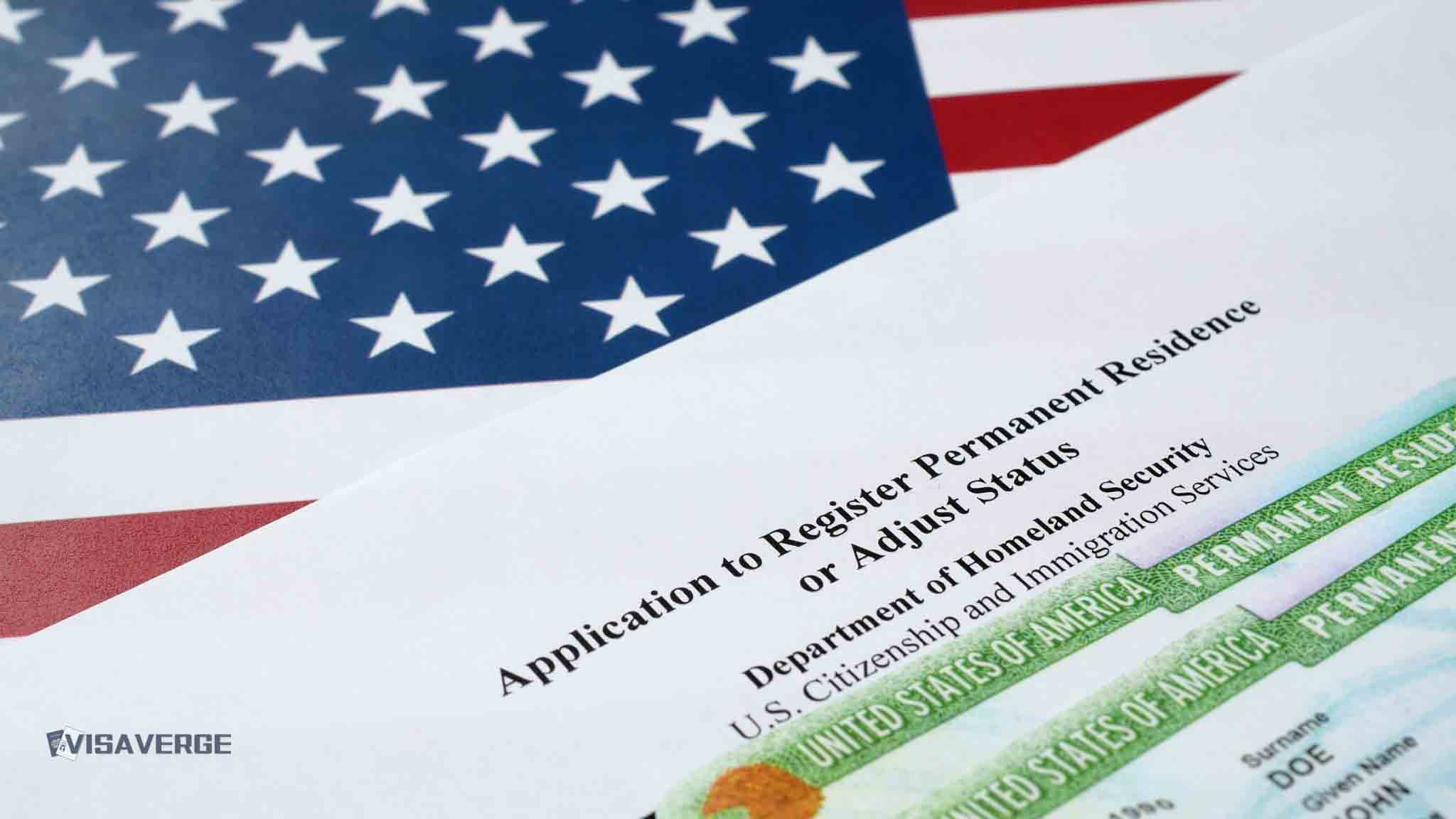
(UNITED STATES) The Trump administration has moved to reshape U.S. Citizenship and Immigration Services (USCIS) from a benefits‑focused agency into a central tool for enforcement and deportation, suspending wide categories of immigration benefit processing for nationals of 19 countries and ordering a sweeping re‑review of previously approved cases. The change, driven by a June 4, 2025 presidential proclamation and new guidance issued on December 2, 2025, reaches deep into cases that many applicants believed were already settled.
What the proclamation and guidance do

Under Presidential Proclamation 10949, signed on June 4, 2025, the administration labeled 19 countries as high‑risk and opened the door for tougher treatment of their nationals within the U.S. immigration system.
Building on that proclamation, USCIS released guidance on December 2, 2025 that effectively halted processing of a wide range of discretionary immigration benefits for people from those countries. Instead of routine benefit adjudication, cases are being frozen while the agency reorients toward potential enforcement action.
Countries designated as “high‑risk”
The proclamation lists the following 19 countries:
- Afghanistan
- Burma
- Burundi
- Chad
- Republic of Congo
- Cuba
- Equatorial Guinea
- Eritrea
- Haiti
- Iran
- Laos
- Libya
- Sierra Leone
- Somalia
- Sudan
- Togo
- Turkmenistan
- Venezuela
- Yemen
Categories of benefits suspended
USCIS suspended processing for multiple categories, including:
- Adjustment of status applications
- Extensions of stay
- Change of status requests
- Naturalization applications
- Asylum applications filed by nationals of the 19 listed countries
These applications are commonly the pathways to work authorization, permanent residence, or citizenship. With processing halted, many families face delays and uncertainty.
Asylum processing pause (all nationalities)
USCIS also halted processing of all Form I‑589, Application for Asylum and for Withholding of Removal, regardless of the applicant’s nationality. The pause applies across the board while the agency conducts a comprehensive review of asylum adjudications.
- Form reference: Form I‑589
- Effect: Even asylum seekers from countries not on the 19‑country list face fresh uncertainty as their cases are stalled.
Re‑review of previously approved cases
USCIS has launched a wide‑ranging re‑review of previously approved benefit requests for individuals from the designated countries who entered the United States on or after January 20, 2021. Key points:
- Within 90 days of the policy taking effect, USCIS will create a prioritized list of individuals whose cases will be re‑examined.
- Those individuals may be called in for new interviews.
- Cases could be referred to immigration enforcement or other law enforcement agencies, injecting deportation risk into files applicants thought were closed.
The guidance explicitly states the re‑review may extend beyond people who arrived on or after January 20, 2021, meaning individuals who received benefits before that date could also face fresh scrutiny. The list of affected countries can also grow.
How this shifts USCIS’s role
For immigrants and their lawyers, the most striking change is how directly it alters the character of USCIS.
- Historically, USCIS’s core role was to receive, review, and decide applications for benefits (green cards, work permits, citizenship).
- The new policies explicitly tie benefit adjudications to enforcement outcomes and potential deportation, pulling USCIS closer to the mission traditionally associated with Immigration and Customs Enforcement (ICE).
- USCIS field officers, who once focused mainly on eligibility and basic security checks, are now instructed that their work can feed directly into enforcement pipelines. This cultural shift may change how officers view and handle files, especially for people from designated countries.
Key takeaway: Benefit adjudication is being reframed as a potential enforcement tool, rather than a separate administrative function focused solely on granting lawful status.
Broader enforcement context and funding
This policy shift occurs amid a broader expansion of federal immigration enforcement and increased funding:
- Congress has allocated $170 billion for anti‑immigrant enforcement activities.
- Of that, $45 billion is earmarked for immigration detention through September 30, 2029 — an amount that more than quadruples ICE’s annual detention budget by about $11.25 billion per year.
- The administration is also expanding the use of expedited removal procedures (rapid deportation without full immigration court hearings) and increasing criminal prosecutions of immigrants for immigration status offenses.
Human impact and legal concerns
Advocates warn that tying routine benefit processing so closely to enforcement will discourage eligible immigrants from seeking benefits, even when they fully qualify under the law.
- If a green card or naturalization application can trigger re‑review and potential referral for deportation, many may avoid the system and remain in the shadows.
- For people from the 19 listed countries, suspension of discretionary benefit cases means plans for work, study, or family unity in the U.S. are effectively on hold.
The pause on asylum processing has particularly broad human consequences:
- Asylum applicants already face long waits and are often barred from work authorization during early stages.
- With all I‑589 applications suspended, people fleeing war, repression, or political turmoil may be trapped in legal limbo even longer.
- Mixed‑nationality families could be affected when a spouse or child from one of the listed countries attracts extra attention and becomes the “weakest link” in a case.
What affected people should do now
Attorneys urge people with pending or approved cases affected by these policies to:
- Track announcements on the official USCIS website at uscis.gov.
- Watch for any notice of interview or re‑opening of a past decision.
- Consult qualified immigration counsel to understand potential risks and options.
The guidance speaks in broad terms about comprehensive review and enforcement referrals but does not specify:
- How many people will be targeted, or
- The specific criteria controlling the prioritization list being drafted in the first 90 days.
For now, hundreds of thousands of immigrants face a period of deep uncertainty as the benefits agency at the center of their plans is being retooled to support deportation rather than solely to grant benefits.
A presidential proclamation and December 2, 2025 USCIS guidance suspend discretionary immigration benefit processing for nationals of 19 countries and pause all asylum filings. USCIS will produce a prioritized re‑review list within 90 days for people who entered on or after Jan. 20, 2021; reinterviews and enforcement referrals are possible. The shift reframes USCIS as an enforcement tool amid expanded enforcement funding, creating widespread uncertainty and prompting calls for legal guidance.